The Story of Day of the Outlaw
Day of the Outlaw (1959) opens in the bleak, wind-swept landscape of Bitters, Wyoming—a town already fractured by conflict between two powerful men. Blaise Starrett, a hardened cattleman played by Robert Ryan, is locked in a bitter dispute with a rancher determined to fence off the grazing land that's been open range for decades. It's a clash rooted in the old West versus the new, progress versus tradition. But before either man can claim victory, something far worse arrives: a band of rogue cavalry officers led by the charismatic and menacing Captain Jack Bruhn, played by Burl Ives. These aren't common outlaws—they're disciplined, military-trained, and hungry for chaos. The town's survival now depends on whether Starrett and his rival can set aside their differences and work together, because the real threat isn't each other anymore. It's the men who've ridden in from the cold.
Behind the Making of Day of the Outlaw
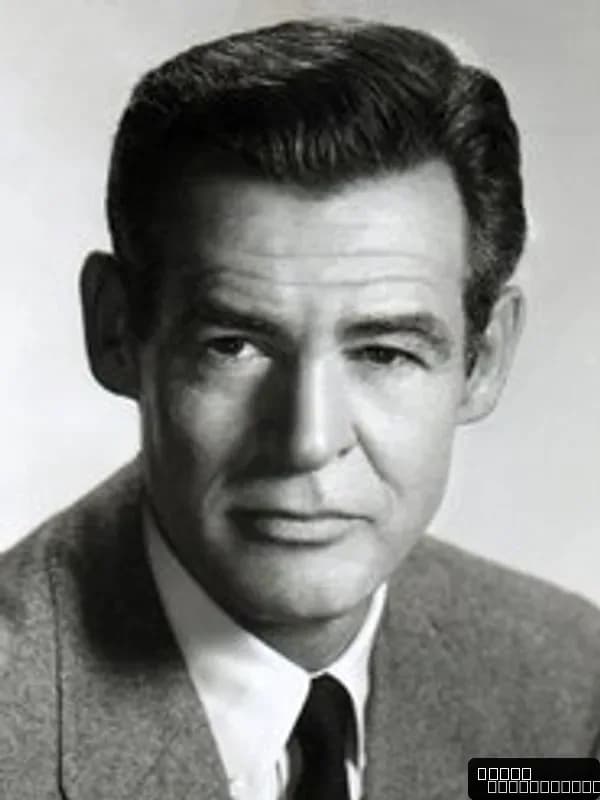
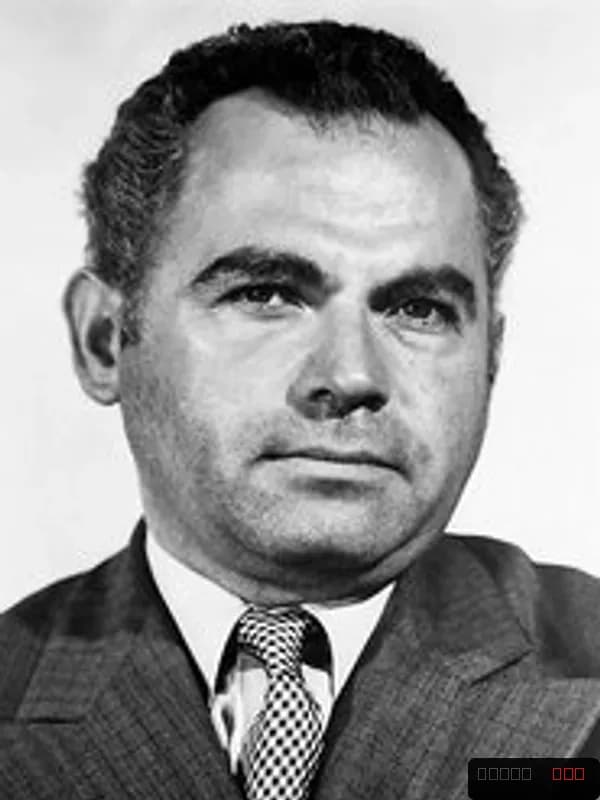
Director André de Toth crafted this 92-minute western during a particularly interesting moment in the genre's evolution. Released in 1959, the film came at a time when westerns were shifting away from simple good-versus-evil narratives toward more morally complex stories. De Toth, a Hungarian-born director known for his work in noir and action pictures, brought a visual sensibility that emphasizes shadow, isolation, and the claustrophobic tension of a community under siege. The casting of Robert Ryan—a veteran character actor with a gift for playing men simmering with barely contained rage—was crucial to the film's success. Ryan had already proven himself in noir and westerns, and here he carries the emotional weight of a man forced to confront his pride for the sake of survival.
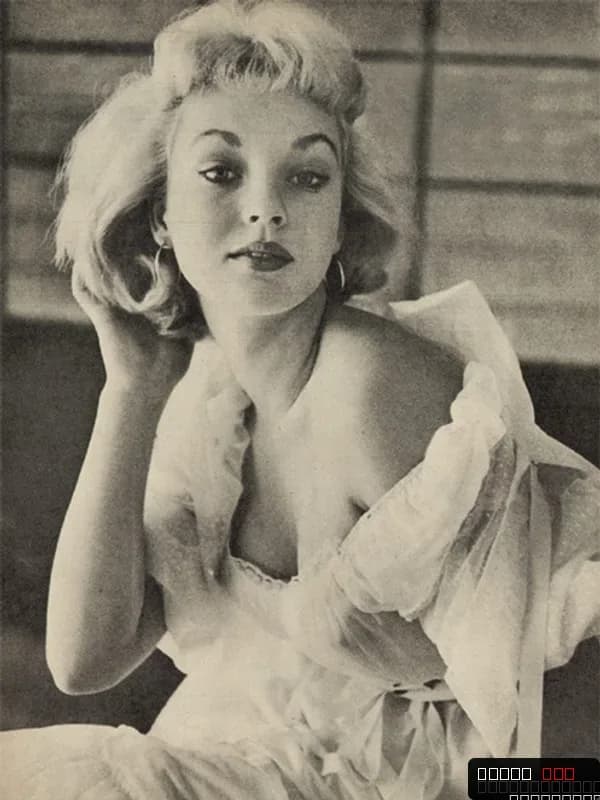
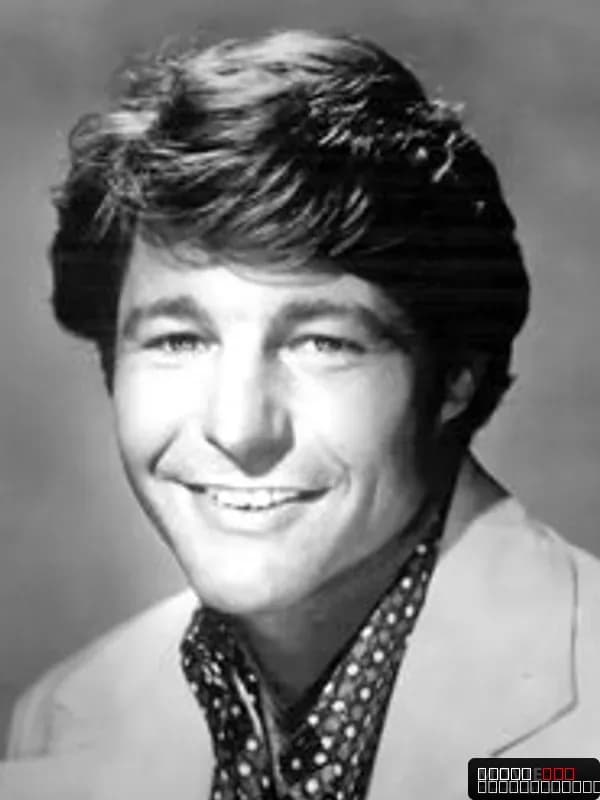
Burl Ives, equally seasoned, brings unexpected depth to Captain Bruhn. Rather than playing a one-dimensional villain, Ives suggests a man trying to maintain control over a dangerous group of subordinates, adding layers that complicate our reading of who the real threat is. Tina Louise appears as the rancher's wife, caught between the masculine posturing that surrounds her, while Venetia Stevenson, Alan Marshal, Nehemiah Persoff, and David Nelson round out the ensemble. The film's production design emphasizes the harsh, unforgiving winter setting—not a backdrop, but a character in itself, pressing in on the town and making escape impossible. Production details from this era suggest the crew worked in genuinely cold conditions, lending an authenticity to the actors' performances that you can feel on screen.
What Makes Day of the Outlaw Stand Out
What's striking about Day of the Outlaw is how it refuses to be a simple morality play. The IMDb rating of 6/10 doesn't quite capture what the film's doing—it's not trying to be crowd-pleasing in the conventional sense. Instead, it's interested in exploring the moment when community survival overrides personal vendetta. Ryan's Starrett isn't a hero in the traditional sense; he's a man with his own ruthless agenda who happens to be forced into heroism. That tension—between self-interest and collective need—is where the film finds its real drama.
The winter setting, which could've been merely aesthetic, becomes thematic. The snow isn't just pretty; it's isolating, suffocating, trapping everyone in this pressure cooker. There's nowhere to run, nowhere to hide. You're stuck with your enemies, your rivals, and the men who want to destroy everything. The shootout sequences have a gritty, almost documentary quality to them—not balletic or romanticized, but brutal and efficient. I keep coming back to how the film treats violence not as spectacle but as consequence. When guns go off, people don't get up. The tension builds not through elaborate action set pieces but through dialogue, glances, and the knowledge that the situation can't hold much longer before it breaks.
Reviewers have noted that the film captures something true about frontier life—that survival often requires setting aside grievances, at least temporarily. The performances, particularly Ryan's controlled intensity and Ives' surprisingly nuanced villainy, anchor the whole enterprise. This isn't a film that's trying to entertain you with tricks; it's trying to trap you in a situation and see how you'd respond.
Where to Stream Day of the Outlaw Online
Day of the Outlaw is currently available to stream on Prime Video, where you can access it alongside thousands of other titles. If you're looking to track down exactly where films like this are streaming right now, Movie OTT maintains up-to-date availability across platforms—useful if you've got multiple subscriptions and want to know which one has what you're looking for. The 92-minute runtime makes it an easy evening watch, and the film's pacing means you won't feel like you're sitting through a bloated narrative. The Where to Watch widget at the top of this page will show you all current streaming options, so you can jump in whenever you're ready.
Frequently asked questions
Q: Who directed Day of the Outlaw?
André de Toth, a Hungarian-American director known for noir and action films, helmed the 1959 western. De Toth brought a visual sophistication and moral complexity to the material that elevates it beyond typical genre fare.
Q: Is Day of the Outlaw based on a true story?
No, the film is a fictional western exploring themes of community, rivalry, and survival. While it captures authentic elements of frontier life and the tensions that defined the era, the plot and characters are original creations.
Q: Where can I watch Day of the Outlaw?
Day of the Outlaw is available on Prime Video. You can check the Where to Watch widget on this page for current streaming availability and any other platforms that may carry it.
Q: What's the runtime of Day of the Outlaw?
The film runs 92 minutes, making it a brisk, tightly paced western that doesn't overstay its welcome.
Q: Who stars in Day of the Outlaw?
Robert Ryan leads the cast as Blaise Starrett, with Burl Ives as the outlaw captain Jack Bruhn. The ensemble includes Tina Louise, Venetia Stevenson, Alan Marshal, Nehemiah Persoff, and David Nelson.
Final Thoughts on Day of the Outlaw
Day of the Outlaw deserves more attention than it typically gets. It's a western that understands the genre isn't really about good guys and bad guys—it's about how people behave when the rules break down and survival becomes the only law that matters. The film's willingness to sit with moral ambiguity, combined with strong performances and a genuinely oppressive atmosphere, makes it worth seeking out. If you're tired of conventional westerns and want something with actual teeth, this one delivers. Winter, outlaw, shootout—these aren't just plot points. They're the architecture of a story about what we're willing to do when pushed to the edge.