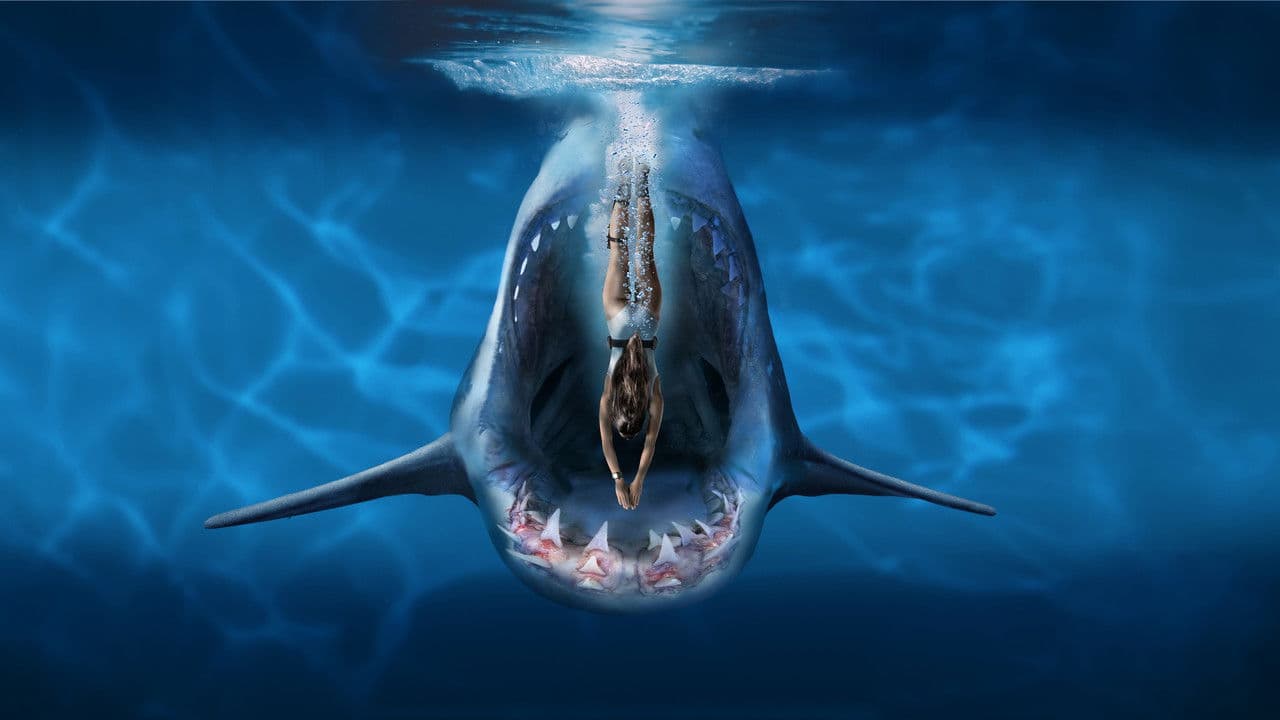









The Story of Deep Blue Sea 3
Deep Blue Sea 3 follows marine biologist Dr. Emma Collins and her team through their third consecutive summer on Little Happy Island, a remote research outpost off the African coast where great white sharks arrive annually to birth their young. It's an idyllic setup — until it isn't. When Collins's ex-boyfriend Richard arrives with a supposedly scientific expedition, he's actually hunting something far more dangerous: three bull sharks that aren't what they appear to be. The arrival of this uninvited team shatters the island's fragile peace, trapping both groups in a battle for survival against predators that are far more intelligent—and lethal—than nature ever intended. What begins as a climate-change study becomes a nightmare of blood and teeth.
Behind the Making of Deep Blue Sea 3
Director John Pogue helmed this third installment of the franchise, released direct-to-video by Warner Bros. Home Entertainment on July 28, 2020. The film stars Tania Raymonde as Dr. Collins, anchoring the ensemble cast with a performance that grounds the creature-horror premise in genuine scientific concern. While Deep Blue Sea 3 didn't receive theatrical distribution—a sign of the franchise's declining theatrical prospects—it represents an interesting middle ground in direct-to-video filmmaking: not a low-budget quickie, but a film with real production values and a 100-minute runtime that doesn't feel rushed. The movie clocks in at a lean hour and forty minutes, tight enough to maintain momentum without padding. Production came from Roserock Films, and the decision to skip cinemas reflected broader industry trends during 2020, when streaming and home video became the default release strategy for mid-tier action-horror titles. IMDb users rate it at 5.605/10, positioning it as a modest step up from its immediate predecessor while still trailing the original 1999 film's reputation.
What Makes Deep Blue Sea 3 Stand Out
What's striking is how this sequel actually learns from the second film's mistakes. Audience reactions suggest that while Deep Blue Sea 3 isn't going to dethrone Jaws in the shark-movie pantheon, it's more interested in delivering kinetic action sequences than in watching characters make catastrophically dumb decisions for 90 minutes. The kills—and there are several memorable ones—carry weight because the screenplay understands that tension needs setup. One character's valiant final speech before being taken down by a shark is the kind of moment that sticks with viewers, a brief flash of heroism before nature reasserts its dominance. That's the film's real strength: it doesn't pretend humans are in control here. The environmental angle (climate change's impact on marine ecosystems) feels more integrated than preachy, though some early dialogue does veer into the territory of well-meaning but clumsy exposition. Tania Raymonde carries the film with conviction—she's not just reacting to CGI sharks, she's playing someone genuinely torn between scientific curiosity and survival instinct. The CGI itself is noticeably better than what audiences saw in Deep Blue Sea 2, which helps sell the danger even when logic takes a backseat. I keep coming back to the fact that this film knows what it is: a creature-feature with a body count, not a meditation on marine biology.
Where to Stream Deep Blue Sea 3 Online
Deep Blue Sea 3 is currently available on major OTT services, and you can check the Where to Watch widget at the top of this page to see which platforms carry it in your region right now. Movie OTT tracks streaming availability across dozens of services, so you'll know instantly whether it's on your subscription or available for rental. Since this is a direct-to-video release, it landed on home entertainment platforms first, which means it's been in circulation on most major streaming ecosystems for several years now. The film's accessibility on multiple platforms makes it an easy choice for a casual Friday night viewing—no need to hunt through obscure services or wait for a theatrical release that never happened.
Frequently asked questions
Q: Is Deep Blue Sea 3 a direct sequel to Deep Blue Sea 2?
Yes, it's a direct sequel released in 2020 and marks the third and final installment of the Deep Blue Sea film series. The story picks up with new characters and a new setting, but it exists in the same universe as the 2018 film.
Q: Who directed Deep Blue Sea 3?
John Pogue directed the film. He brings a straightforward action-horror sensibility to the material, emphasizing creature kills and survival sequences over character development.
Q: Was Deep Blue Sea 3 released in theaters?
No, it was released direct-to-video by Warner Bros. Home Entertainment on July 28, 2020. This direct-to-video strategy was typical for mid-tier horror sequels during that period.
Q: What's the runtime of Deep Blue Sea 3?
The film runs 100 minutes, making it lean and paced to maintain momentum without unnecessary padding between action sequences.
Q: Is Deep Blue Sea 3 based on a true story?
No, it's a fictional creature-horror film. While it incorporates real environmental themes about climate change and marine ecosystems, the plot about genetically enhanced sharks is entirely fictional.
Final Thoughts on Deep Blue Sea 3
Deep Blue Sea 3 won't convert skeptics into shark-movie enthusiasts, but it's a competent creature-horror film that respects its premise and delivers on the promise of its tagline: "Deadlier than ever." If you're browsing Movie OTT looking for something in the action-horror space that doesn't take itself too seriously, this is a solid rental. It's the kind of film that works best when you're not expecting high art—just sharks, blood, and the occasional moment of genuine tension. Worth your time if creature features are your thing.