







Unpacking the Dystopian World of Delicatessen
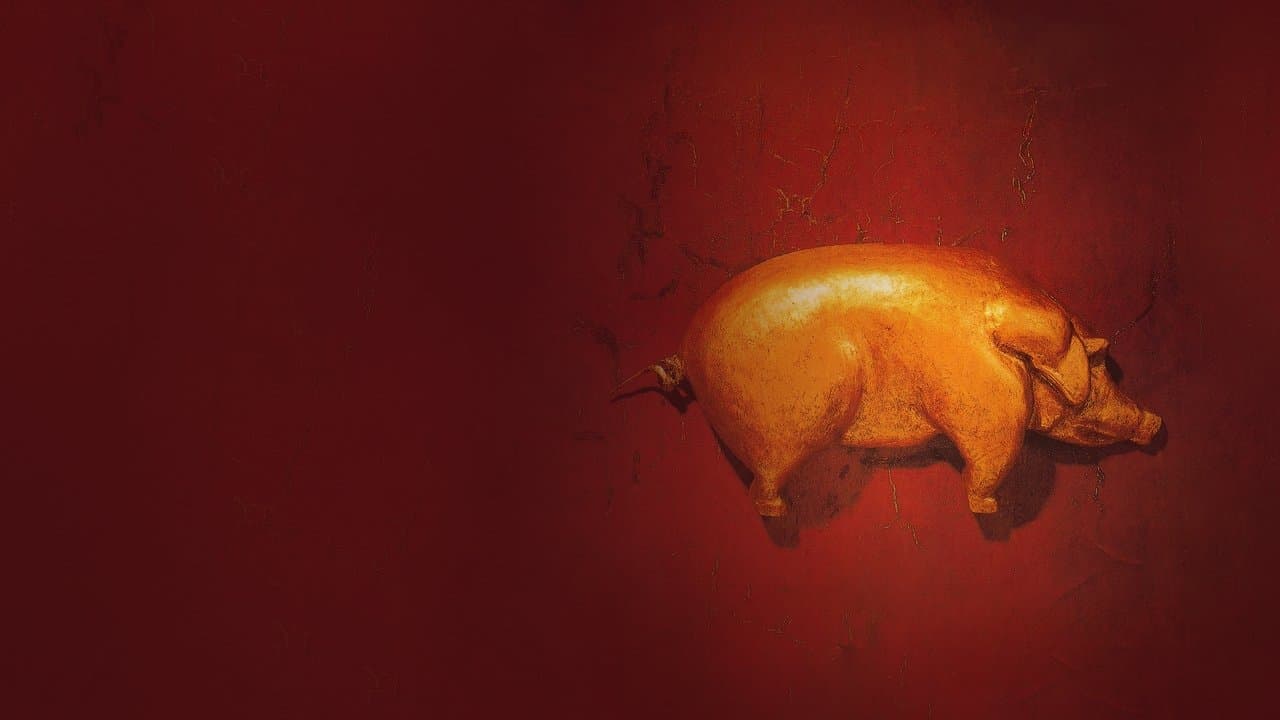
The 1991 French film Delicatessen plunges viewers into a stark, post-apocalyptic future where food, particularly meat, is an almost mythical commodity. Life centers around a crumbling apartment building, its ground floor occupied by a butcher's shop run by the formidable Clapet, who provides his tenants with their occasional, much-needed protein. The catch? The source of this meat is, let's just say, highly suspect. Its official tagline — "A futuristic comic feast." — perfectly encapsulates the film's unique blend of genres and its audacious premise. When Louison, a former clown, arrives seeking work as the building's handyman, he quickly finds himself entangled in the bizarre lives of its residents. His arrival, however, threatens the butcher's peculiar business model, especially after Louison begins to fall for Clapet's daughter, Julie. The film masterfully sets up a darkly comedic scenario where survival dictates morality, and the line between predator and prey is chillingly thin.
The Creative Minds and Cast Behind Delicatessen's Unique Vision
Delicatessen, a truly unique cinematic experience, emerged from the visionary minds of French directors Jean-Pierre Jeunet and Marc Caro. Released in 1991, this darkly comedic science fiction fantasy quickly garnered attention for its distinctive aesthetic and audacious premise. The film clocks in at a brisk 99 minutes, a testament to its tight pacing and refusal to overstay its welcome. Produced by Constellation, Hachette Première, and UGC, it showcased a collaboration that would define a particular brand of French surrealism for years to come. In North America, the film was notably "presented by Terry Gilliam," a fitting endorsement from a director known for his own brand of fantastical, often grotesque, storytelling.
The ensemble cast is central to the film's success, bringing to life a gallery of eccentric characters. Dominique Pinon, a frequent collaborator with Jeunet, delivers a poignant performance as Louison, the melancholic clown whose arrival sparks the central conflict. Marie-Laure Dougnac captivates as Julie, the butcher's daughter, whose burgeoning romance with Louison forms the emotional core amidst the surrounding depravity. And then there's Jean-Claude Dreyfus as Clapet, the menacing yet oddly sympathetic butcher whose very livelihood depends on a grim secret. The film's critical reception was generally positive, earning an IMDb rating of 7.304 out of 10, a strong indicator of its enduring appeal among cinephiles. It's a film that doesn't just entertain; it sticks with you.
Why Delicatessen's Surreal Dark Comedy Continues to Captivate
What makes Delicatessen such a compelling watch, even decades after its release, is its audacious blend of genres and its unflinching, yet often hilarious, exploration of human desperation. The film is a masterclass in surrealism, creating a world that feels both utterly alien and disturbingly familiar. Jean-Pierre Jeunet and Marc Caro's signature visual style—a blend of sepia tones, intricate set design, and whimsical contraptions—is on full display, making every frame a work of art. Honestly, it's the kind of film that makes you wonder how they even came up with half of it. The thematic keywords, such as underground, suicide attempt, dystopia, post-apocalyptic future, dark comedy, clown, butcher, vegetarian, terror cell, surrealism, and cannibal, truly capture the film's essence.
The dark comedy here isn't just a stylistic choice; it's a coping mechanism for the characters and, perhaps, for the audience too. The idea of a butcher's shop providing human meat to its residents—with a vegetarian terror cell plotting to overthrow the system—is inherently grotesque, yet the film treats it with a kind of macabre charm. User reviews often touch on this, with one viewer noting the "French-style grotesque surrealism," acknowledging its unique style even if they felt it lacked "content" (a point I'd respectfully disagree with, as its content is quite rich, if unconventional). Another reviewer admitted to having "no idea what was going on" half the time, but still "really quite enjoy[ing]" it, a testament to its immersive, if bewildering, atmosphere. The film's setting, with its constant disappearing acts, even drew comparisons to the dark whimsy of Stephen Sondheim's "Mrs. Lovett" and her infamous pies, which is high praise indeed for its unsettling charm. It's a film that dares you to look away, but you can't. Impossible.
Finding Delicatessen: How to Stream This Cult Classic Online
For those eager to experience the unique world of Delicatessen, you'll be pleased to know that this 1991 cult classic is currently available on major OTT services. Movie OTT's comprehensive "Where to Watch" widget, conveniently located at the top of this page, provides up-to-the-minute details on every platform where Delicatessen is streaming right now, whether it's available for subscription, rental, or purchase. We're always tracking the ever-shifting landscape of streaming rights, so you can count on Movie OTT to guide you directly to your next cinematic adventure. For the most current streaming information, always check movieott.com. Given its enduring appeal and critical recognition, it's no surprise that Delicatessen has found a permanent home across various digital libraries, making it accessible to both long-time fans and new viewers discovering its peculiar charm. Simple. Effective.
Frequently asked questions
Q: Who directed the 1991 film Delicatessen?
Delicatessen was co-directed by the acclaimed French filmmaking duo Jean-Pierre Jeunet and Marc Caro. Their distinctive visual style and dark humor are evident throughout the film.
Q: What is the IMDb rating for Delicatessen?
Delicatessen holds a strong IMDb rating of 7.304 out of 10. This rating reflects its positive reception from a wide audience and its status as a beloved cult film.
Q: What genres does Delicatessen belong to?
Delicatessen is a unique blend of Comedy, Science Fiction, and Fantasy. It's often categorized as a dark comedy due to its grim themes presented with a surreal, humorous touch.
Q: Is Delicatessen a post-apocalyptic film?
Yes, the film is set in a bleak, post-apocalyptic future where resources are scarce, and society has adapted to extreme conditions. This setting is crucial to its central conflict and themes.
Q: What's the official tagline for Delicatessen?
The official tagline for Delicatessen is "A futuristic comic feast." This perfectly encapsulates the film's genre-bending nature and its darkly humorous take on a dystopian future.
Final Thoughts: Who Should Experience Delicatessen?
Delicatessen isn't a film for everyone, but for those who appreciate cinema that dares to be different, it's an absolute must-watch. If you're drawn to quirky, visually inventive films with a pitch-black sense of humor and a touch of the bizarre, then this 1991 French masterpiece will be right up your alley. It's a film that challenges expectations, blending the grotesque with genuine romance and sharp social commentary. We think it's a brilliant example of how genre conventions can be twisted into something truly original. Don't expect easy answers, but do expect a memorable journey into a world unlike any other. A real feast for the eyes, even if the menu is questionable. Quite a trip.