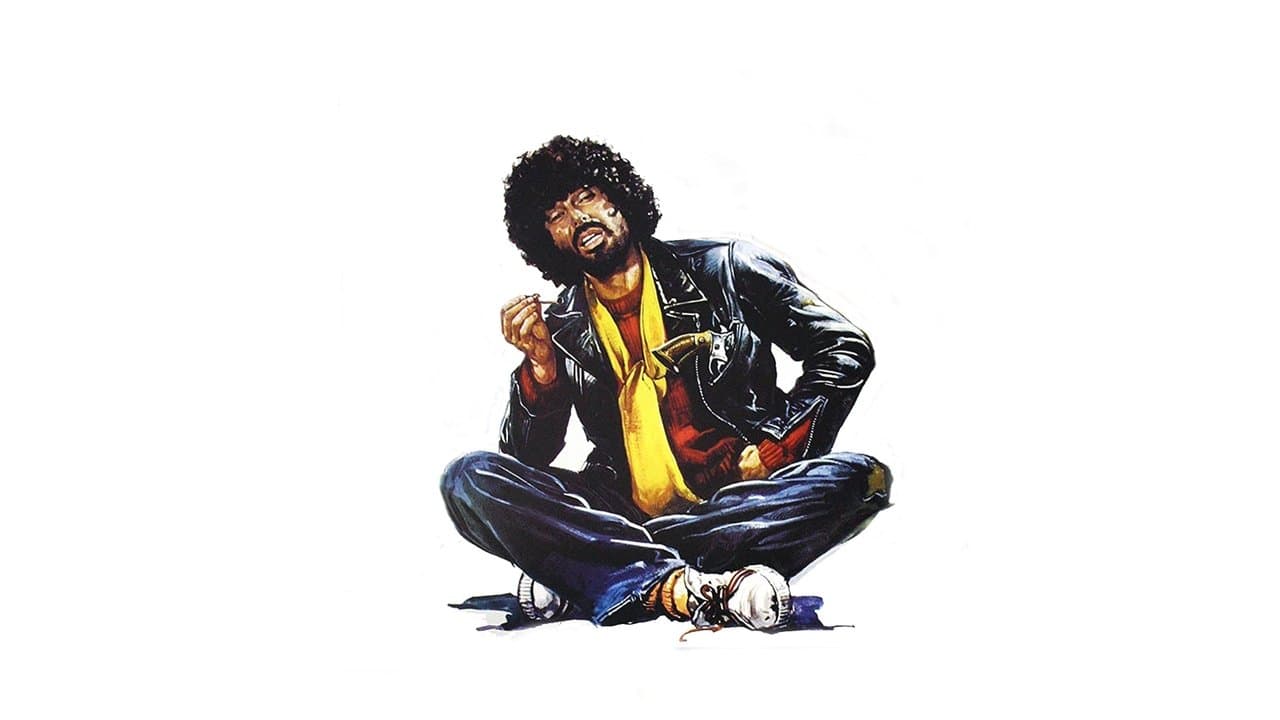
The Story of Destruction Force
Destruction Force arrives as a lean, mean crime picture that doesn't waste time on exposition. A robbery goes wrong—very wrong—and the Chief of Police ends up dead in the crossfire. That single moment of violence sets everything in motion. Detective Ghini, consumed by the need to avenge his fallen boss, begins a manhunt that'll pull him into the orbit of Lanza, a fugitive with connections that run deep into Sicily's criminal underworld. The real target, though, is Belli: a Sicilian gangster operating at the nexus of organized crime and street-level chaos. What makes the setup work isn't just the revenge angle—it's the way the film refuses to let anyone off easy. Ghini's search doesn't lead to a neat conclusion. Instead, he finds himself caught between Belli's ambitions, the schemes of 'Trashy' (a gang leader whose name tells you everything you need to know about his methods), and a series of increasingly violent robberies that keep the momentum from ever really stopping.
Behind the Making of Destruction Force
Destruction Force is a 1977 Italian poliziottesco directed by Stelvio Massi, a filmmaker who understood the rhythms of the crime genre better than most. The film was produced by Flora Film and Variety Film, studios that knew how to deliver the kind of visceral action audiences craved during the late 1970s Italian cinema boom. What's particularly significant is that this film marks the second appearance of Tomas Milian as the character Monnezza, serving as a direct sequel to Free Hand for a Tough Cop—and it's the fourth entry in what's now recognized as the Tanzi/Moretto/Monnezza shared universe, a loose but interconnected series that allowed different characters and stories to orbit the same criminal ecosystem. Milian, who'd already proven himself a capable lead in the poliziottesco space, brings a particular intensity to his return. The 84-minute runtime is brisk by design; there's no room for subplot tangents or character introspection that doesn't serve the forward momentum. While specific box office figures for this particular entry aren't widely documented, the Monnezza films were part of a profitable wave of Italian crime cinema that dominated regional markets throughout the late 1970s. The IMDb rating of 5.8/10 reflects a film that divides viewers—some appreciate its raw energy, while others find it a bit rough around the edges.
What Makes Destruction Force Stand Out
The thing nobody mentions is that poliziottesco films from this era worked best when they embraced contradiction. Destruction Force doesn't apologize for its violence or its murky moral landscape. Detective Ghini isn't a hero in any traditional sense—he's a man driven by a personal debt, and that obsession clouds his judgment. The performances that anchor the film work because the actors seem to understand they're operating in a world where legality and criminality are less fixed categories and more like shifting territories. Milian's return is particularly worth noting; he doesn't phone it in, even though the character could've easily become a template he'd repeat. The action sequences, while not groundbreaking, have a kinetic quality that suggests Massi understood how to stage violence so it feels consequential rather than decorative. What's striking is how the film treats its female characters and minor roles—there's a lack of sentimentality that was refreshing even then, and it remains so now. The script doesn't waste time explaining motivations we can infer from behavior. When Belli attempts robberies between being hunted, we don't get a scene where he explains his financial troubles. We just see him move. That economy of storytelling is what separates the better poliziottesco entries from the forgettable ones. Hard to say if the film would've found a wider international audience with different marketing, but within its intended market, it delivered exactly what viewers wanted: tension, gunfire, and consequences that stuck.
Where to Stream Destruction Force Online
Finding Destruction Force is easier than it's ever been, thanks to the expansion of streaming services carrying Italian genre cinema. The film is currently available on major OTT services—check the Where to Watch widget at the top of this page to see which platforms in your region are streaming it right now. Movie OTT tracks current streaming availability across multiple services, so you'll know instantly whether it's on your subscription or if you need to rent it. Availability does shift, especially for catalog titles like this one, but the good news is that 1970s Italian crime films have experienced a genuine revival in streaming libraries over the past few years. If you're the type who likes to own rather than rent, physical media options exist as well, though they're getting harder to track down. The 84-minute runtime makes it a perfect evening watch—not a commitment that'll keep you up past midnight, but long enough to feel substantial.
Frequently Asked Questions
Q: Is Destruction Force a standalone film or part of a series?
Destruction Force is the second film featuring Tomas Milian as the character Monnezza and the fourth entry in the Tanzi/Moretto/Monnezza shared universe. While it works as a standalone crime thriller, it's a direct sequel to Free Hand for a Tough Cop, so watching that film first will give you more context for Milian's character.
Q: Who directed Destruction Force?
Stelvio Massi directed the film. Massi was an experienced hand in Italian poliziottesco cinema and understood how to balance action, character, and pacing in the crime genre.
Q: What's the runtime and is it dubbed?
Destruction Force runs 84 minutes, making it a tight, economical crime thriller. Like most Italian films from this era distributed internationally, it was originally filmed with post-synchronized sound, so English-language versions are dubbed—but that's part of the authentic viewing experience for these films.
Q: How violent is Destruction Force?
The film contains significant violence—shootouts, robberies, and brutal confrontations are central to the plot. It's not gratuitous by modern standards, but it's definitely not a gentle watch. If you're sensitive to 1970s-style crime violence, you'll want to know what you're getting into.
Q: Where can I watch Destruction Force right now?
Check the Where to Watch widget at the top of the page—it'll show you every platform currently streaming the film in your region. Movie OTT updates availability in real time, so you'll always know where to find it.
Final Thoughts on Destruction Force
Destruction Force doesn't reinvent the poliziottesco wheel, but it doesn't need to. What it does is execute the formula with enough style and conviction that you're pulled along for the ride. Tomas Milian's return as Monnezza gives the film a sense of continuity within the larger shared universe, and Stelvio Massi's direction keeps things moving without sacrificing the grimy atmosphere that makes these films worth watching. If you're already a fan of 1970s Italian crime cinema, this one's essential. If you're new to the genre, it's a solid entry point—lean, violent, and unapologetic about what it is.