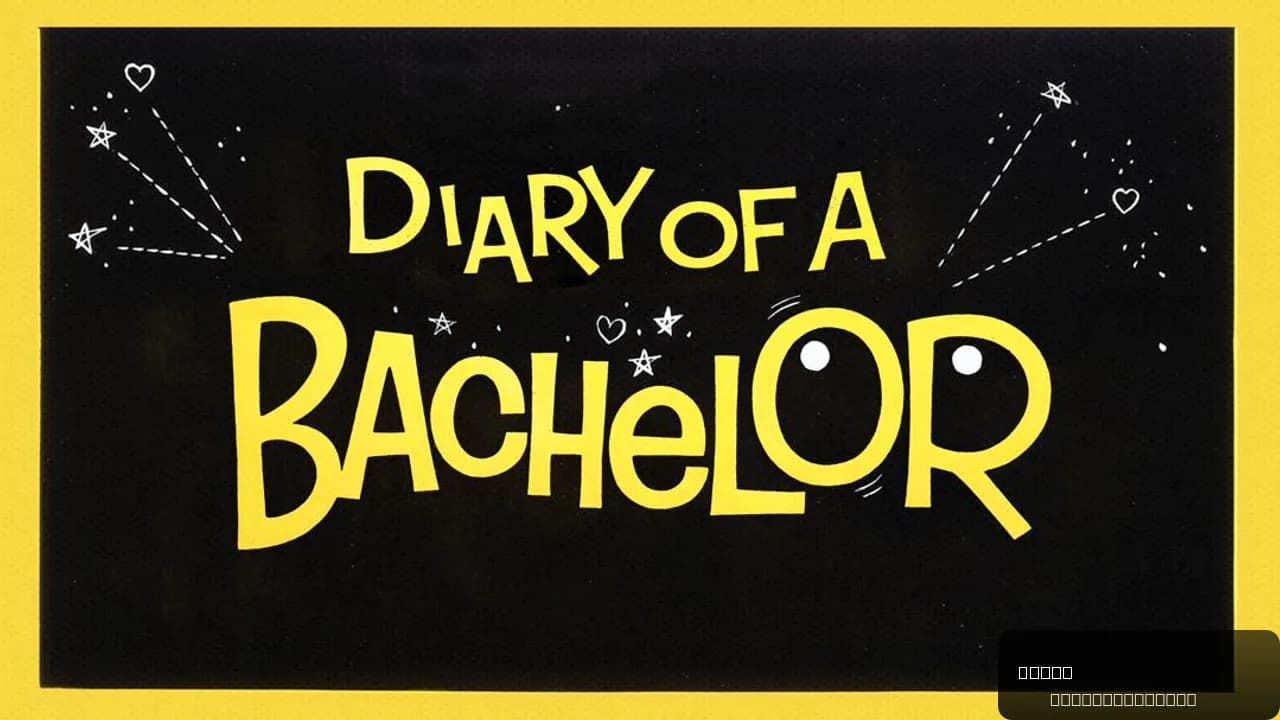
The story of Diary of a Bachelor
There's a particular kind of panic that sets in when someone threatens to expose your private thoughts — and Diary of a Bachelor mines that anxiety for comedy gold. Released in 1964, this 87-minute film centers on a man navigating the messy transition from carefree single life to committed domesticity. He's recently gotten engaged, which ought to be cause for celebration. But then his bride-to-be stumbles across his diary, and suddenly all those candid observations, half-formed confessions, and questionable behavior documented in those pages become a very real problem. What unfolds is a classic romantic entanglement where the central character must reckon with the gap between his public persona and his private self — and whether the two can ever truly reconcile.
Behind the making of Diary of a Bachelor
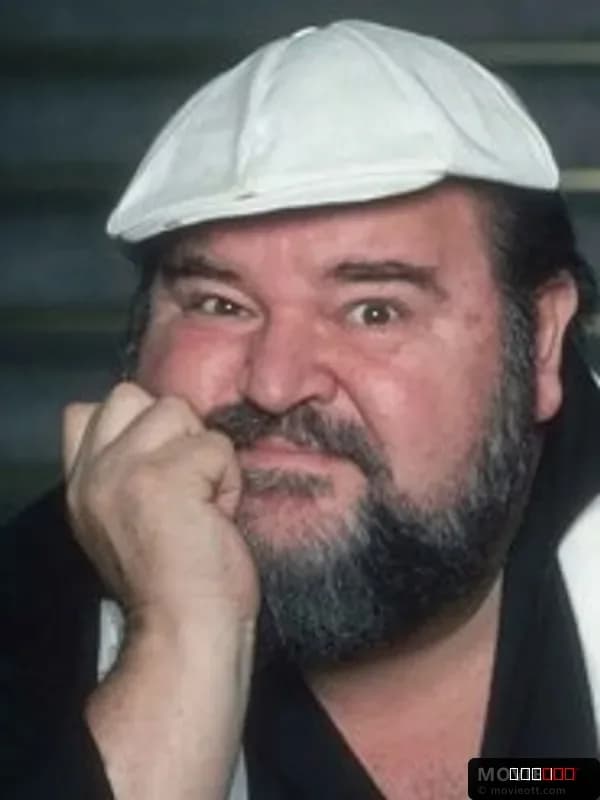
Director Sandy Howard helmed this modest comedy during an era when sitcom sensibilities were beginning to seep into feature filmmaking. The cast brought a mix of emerging talent and seasoned character actors: Joe Silver carries the lead as the conflicted bachelor, anchored by a supporting ensemble that includes Dom DeLuise, Arlene Golonka, William Traylor, Dagne Crane, Paula Stewart, and Denise Lor. DeLuise in particular was on the cusp of wider recognition — he'd soon become a fixture in both film and television throughout the 1970s and beyond. The film's budget and box-office performance remain modest entries in cinema history, typical of mid-budget comedies of the period that relied more on character and dialogue than spectacle. As Movie OTT tracks across its database, films like this one from the early-to-mid 1960s often occupy a curious middle ground: not prestigious enough for awards consideration, yet crafted with enough craft to warrant rediscovery by comedy historians and streaming audiences alike. No major awards or nominations came the film's way, but that's hardly surprising for a screwball domestic comedy released in a year crowded with bigger studio productions.
What makes Diary of a Bachelor stand out
The film's central conceit — that a man's private thoughts, once exposed, can detonate a relationship — remains genuinely relevant, even if the specific anxieties of 1964 feel quaint now. What's striking is how the movie doesn't simply mock the bachelor for his contradictions; instead, it seems genuinely interested in the psychological discomfort of being seen. The performances, particularly Silver's, carry a kind of sheepish vulnerability that prevents the character from becoming a complete cad. Sure, he's made poor choices and harbored unkind thoughts about his fiancée and her family — but the film acknowledges that most people do. The humor works because it's rooted in recognizable human weakness rather than caricature. Dom DeLuise's presence adds a layer of comedic chaos that was becoming his trademark; he doesn't just deliver jokes, he inhabits them, turning even minor scenes into moments of genuine absurdity. Arlene Golonka, as the fiancée, brings a steely competence to what could've been a one-note role of the offended woman — she's hurt, yes, but she's also smart enough to see through his fumbling explanations. The supporting cast members trade barbs with the kind of rhythm that suggests these actors had worked together before or at least understood the cadence of ensemble comedy. What nobody mentions about films like this is how much they depend on the chemistry between actors to carry scenes that, on the page, might seem thin.
Where to stream Diary of a Bachelor online
If you're curious about this 1964 comedy, you can currently watch Diary of a Bachelor on Prime Video. The film's availability on streaming platforms has given it a second life for viewers who might never have caught it in theaters or on cable television. Movie OTT's where-to-watch widget at the top of this page will show you the most current streaming options, since availability does shift across platforms. Prime Video's catalog of older comedies has expanded considerably in recent years, making it easier than ever to explore films from Hollywood's mid-century period. The restoration quality varies — don't expect a pristine 4K transfer — but the film is entirely watchable and worth the time if you're in the mood for lightweight, character-driven comedy that doesn't take itself too seriously.
Frequently asked questions
Q: Who directed Diary of a Bachelor?
Sandy Howard directed the film. Howard was a prolific producer and director who worked extensively in B-movies and television throughout the 1960s and beyond, though this particular project remains one of his lighter comedic efforts.
Q: Is Diary of a Bachelor based on a true story?
No, it's an original screenplay written as a fictional comedy. The premise — a man's private diary threatening his engagement — is a classic comedic setup rather than an adaptation of real events.
Q: How long is Diary of a Bachelor?
The film runs 87 minutes, making it a brisk, lean comedy that doesn't overstay its welcome. That runtime was fairly standard for comedies of the era.
Q: Where can I watch Diary of a Bachelor?
You can stream it on Prime Video. Check the where-to-watch widget at the top of this page for the most up-to-date availability across different regions.
Q: What's the IMDb rating for Diary of a Bachelor?
The film holds a 4.9 out of 10 on IMDb, which reflects its modest critical reception. That said, IMDb scores don't always capture the appeal of niche comedies or films that work better as historical curiosities than as timeless entertainment.
Final thoughts on Diary of a Bachelor
There's something oddly endearing about Diary of a Bachelor, even if it doesn't quite land every joke or resolve its emotional conflicts with real depth. It's a window into 1960s attitudes about marriage, masculinity, and commitment — subjects that were being questioned and renegotiated even then. If you're a fan of vintage comedies or interested in how Hollywood tackled romantic anxiety before the sexual revolution fully took hold, it's worth seeking out. Don't expect brilliance. Do expect charm, competent performances, and a premise that still makes intuitive sense. Sometimes that's enough.