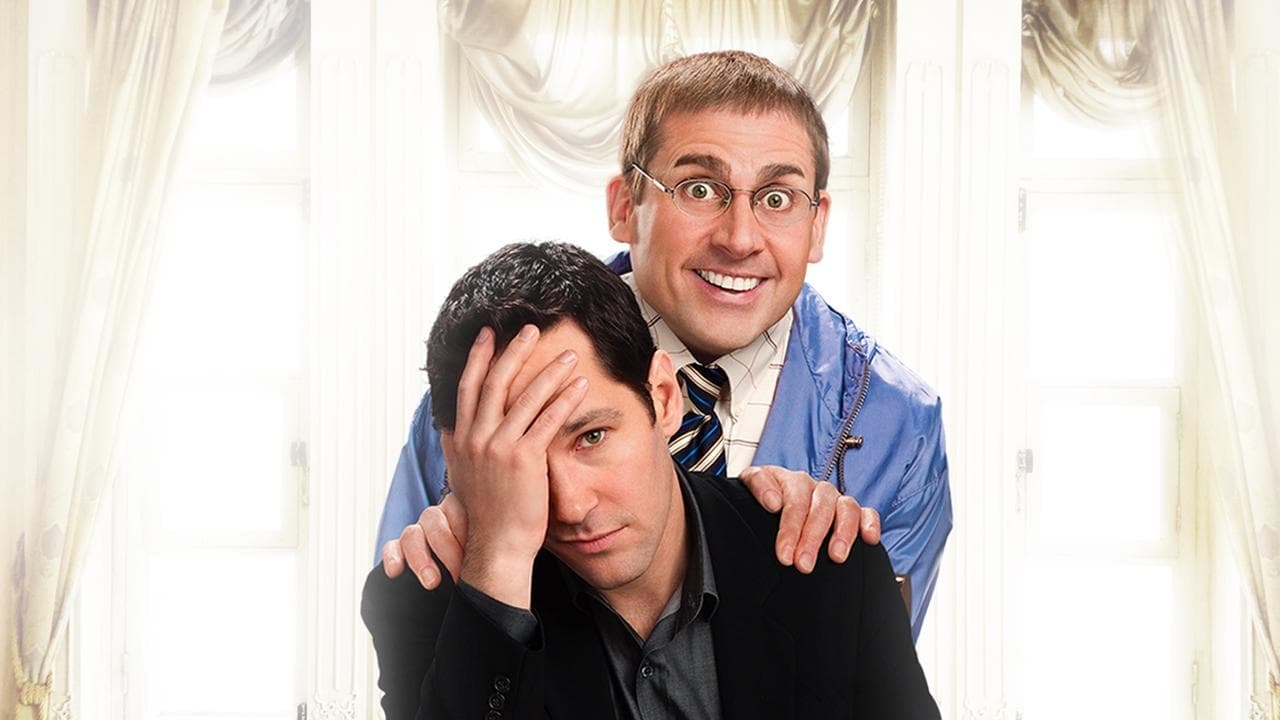
The Story of Dinner for Schmucks
Tim Conrad is climbing the corporate ladder at a prestigious firm, and he's got his eye on a major promotion. His boss hosts a monthly dinner with a twisted premise: whoever brings the biggest buffoon gets a career boost. Tim's determined to skip it entirely—until he hits a cyclist and discovers Barry Speck, a guileless, earnest man who spends his time constructing intricate dioramas populated by taxidermied mice. Barry seems harmless enough, the perfect mark. Except he's not. What starts as a calculated move to win favor at the dinner spirals into absolute pandemonium, threatening Tim's business deal, his engagement to his fiancée, and his sanity. The film watches as one man's ambition collides head-on with another man's oblivious goodwill, and nobody walks away unscathed.
Behind the Making of Dinner for Schmucks
Directed by Jay Roach—known for the Austin Powers franchise and Meet the Parents—Dinner for Schmucks arrived in 2010 as a star-studded ensemble comedy with real Hollywood pedigree. The film paired Steve Carell, fresh off his run as Michael Scott on The Office, with Paul Rudd, and surrounded them with a supporting cast that included Zach Galifianakis, Bruce Greenwood, Ron Livingston, and Stephanie Szostak. Roach had already proven his knack for orchestrating comedic chaos across multiple characters, and this project gave him room to expand that sensibility into something deliberately unhinged. The film was produced by Everyman Pictures and Parkes+MacDonald Production, the latter a banner founded by director David Parkes and producer Kevin MacDonald. While the movie didn't become a blockbuster—it earned a modest $86 million worldwide against its budget—it found its audience among comedy fans who appreciate the kind of character-driven humor that doesn't rely on cheap punchlines. The film carries an R rating, a decision that allows the script to lean into awkwardness and absurdity without restraint. On IMDb, it sits at a 5.7/10, a score that reflects the film's divisive nature; critics and audiences split on whether its chaos is inspired or exhausting.
What Makes Dinner for Schmucks Stand Out
There's something genuinely unsettling about watching a comedy built on the premise that bringing someone to dinner as a joke is acceptable. That tension—between the film's comedic intent and the actual cruelty baked into its premise—is what gives Dinner for Schmucks its edge. Carell's Barry isn't stupid; he's just operating on a different wavelength, one where sincerity and passion matter more than social convention. That's what makes the dynamic work. Paul Rudd's Tim is the straight man who gradually loses his footing, and watching a usually charming actor descend into genuine distress has a weird appeal. What's striking is how the film doesn't let anyone off the hook—not the corporate climbers, not the "idiot" guests, not even Tim's fiancée, who's revealed to have her own agenda. The supporting cast, particularly Zach Galifianakis as a delusional artist and Ron Livingston as a mind-control enthusiast obsessed with bending others to his will, adds layers of absurdity that could've felt random but instead feel purposeful. You'll find yourself laughing at moments that shouldn't be funny—a man's elaborate mouse diorama, a misunderstanding about mind control, the sheer awkwardness of social performance collapsing in real time. The tagline says it all: "Takes one to know one."
Where to Stream Dinner for Schmucks Online
Dinner for Schmucks is currently available on major OTT services, making it easy to access whenever you're in the mood for a comedy that doesn't take itself seriously. Check the Where to Watch widget at the top of this page to see which streaming platform carries it in your region—availability shifts, but the film rotates across most major services regularly. If you're using Movie OTT to track where your favorite films are streaming, you'll find real-time updates on platforms like Netflix, Prime Video, and others. The 114-minute runtime makes it perfect for a weekend evening when you want something that'll make you uncomfortable and entertained in equal measure.
Frequently asked questions
Q: Who directed Dinner for Schmucks?
Jay Roach, the director behind Austin Powers and Meet the Parents, helmed this 2010 comedy. He's known for orchestrating ensemble chaos, and that experience shines through in how he manages the film's multiple character threads and escalating madness.
Q: Is Dinner for Schmucks based on a true story?
No, it's an original screenplay. Though the premise—a dinner game where people bring their "schmucks"—feels like it could've been ripped from real corporate culture, the film is a fictional satire of workplace ambition and social performance.
Q: What's the deal with the mouse dioramas?
Barry's taxidermied mouse dioramas are his passion project and the film's most distinctive visual gag. They're meant to be his masterpiece, and they're genuinely unsettling in a way that perfectly captures the film's tone—funny because they're weird, and weird because someone made them with total sincerity.
Q: Why does the film have such a low IMDb rating?
The 5.7/10 score reflects a split audience. Some viewers find the cruelty of the premise and the relentless awkwardness hilarious; others find it grating. The film doesn't apologize for its tone, which isn't for everyone—and that's kind of the point.
Q: Does Dinner for Schmucks have post-credits scenes?
Yes, the film includes both a during-credits stinger and an after-credits stinger, so stick around through the end credits if you want the full experience. They're brief but worth catching.
Final Thoughts on Dinner for Schmucks
Dinner for Schmucks isn't trying to be heartwarming or teach you a lesson about kindness. It's a film about people being terrible to each other in increasingly elaborate ways, and it commits fully to that premise. Carell and Rudd have genuine chemistry, even as their characters' relationship deteriorates. If you're tired of comedies that wrap everything up neatly and want something that embraces awkwardness as its core language, this one's worth your time. It won't be for everyone—but that's exactly what makes it memorable.