What Dinotasia is About
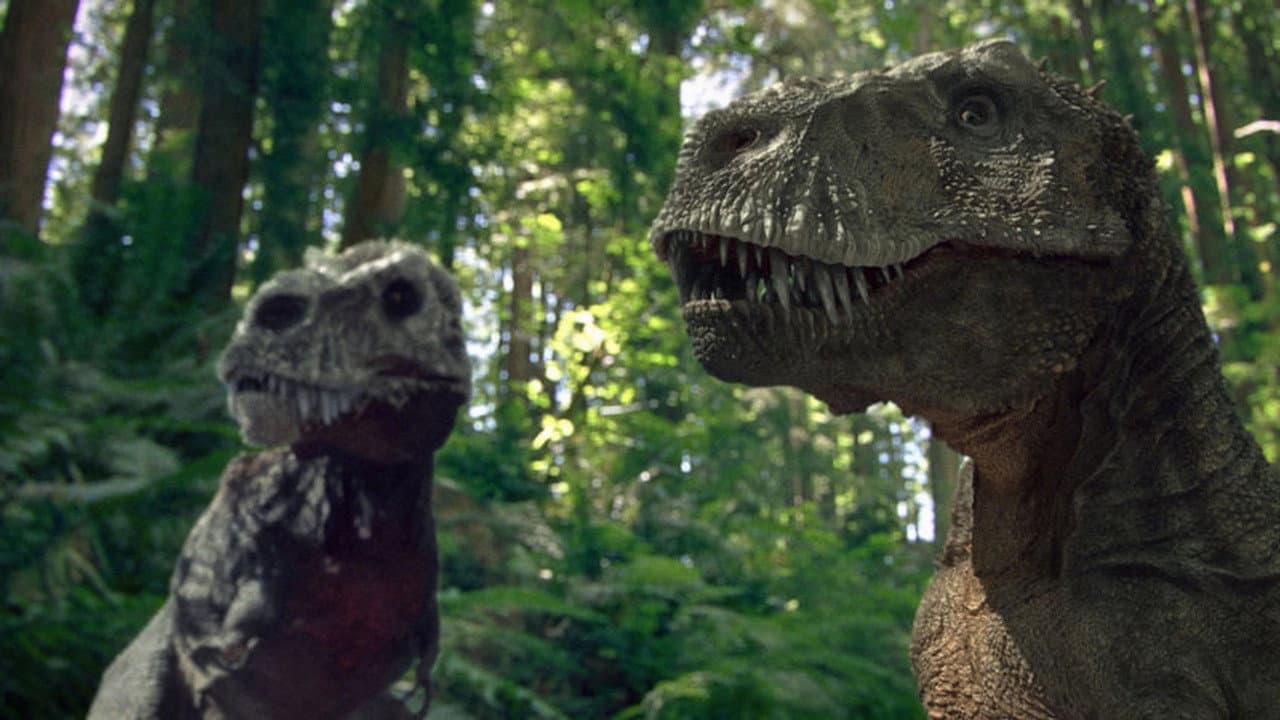
Dinotasia takes viewers on a 83-minute journey through prehistoric life, using computer-generated animation to reconstruct how dinosaurs actually lived, hunted, and survived during the Mesozoic era. Rather than focusing on extinction or catastrophe, the film centers on the mundane yet brutal daily existence of these creatures—territorial disputes, feeding patterns, and the eternal struggle between predator and prey. The narrative voice belongs to Werner Herzog, whose deadpan philosophical delivery transforms what could've been a straightforward nature documentary into something far stranger and more meditative.
Behind the Making of Dinotasia
Dinotasia emerged from a production philosophy that blended scientific accuracy with artistic interpretation. The filmmakers worked with paleontologists to ensure the dinosaur behavior and anatomy reflected current research, while the animation team pushed CGI technology to render creatures like the allosaurus with anatomical precision. Released in 2012, the film arrived during a period when dinosaur documentaries were experiencing a minor renaissance—Discovery Channel and Science had begun experimenting with computer-generated prehistoric reconstructions as an alternative to traditional fossil-focused programming. The project carries Herzog's unmistakable fingerprints throughout; his narration wasn't added as an afterthought but was integral to the creative vision from the outset. While the film didn't achieve blockbuster box office numbers, it found an audience among documentary enthusiasts and dinosaur fans willing to engage with a less conventional approach to paleontological storytelling. Movie OTT tracks where titles like this are currently streaming, making it easier to discover unconventional documentaries across multiple platforms.
Why Dinotasia Stands Apart from Typical Dinosaur Films
What's striking about Dinotasia is how deliberately unglamorous it becomes. Herzog's narration—with its characteristic gravitas and occasional dark humor—refuses to anthropomorphize these creatures or turn them into action heroes. Instead, he observes them with the detached curiosity of a naturalist, which is exactly what you'd expect from a director who's spent decades examining the strange corners of human and animal behavior. The animation itself occupies an interesting middle ground: it's detailed enough to convey real paleontological information, yet it doesn't attempt photorealism in a way that might date the film. Critics on IMDb gave it a 5.5/10, suggesting audiences were divided—some found Herzog's approach refreshingly honest, while others wanted more dramatic narrative momentum or spectacle. The thing nobody mentions is that the film's greatest strength might also be its limitation: it's genuinely interested in showing you what scientists believe dinosaur life actually looked like, which isn't always thrilling. An allosaurus hunting in the Mesozoic doesn't need a stirring orchestral score to be compelling, though the film's sound design certainly helps. Movie OTT's streaming aggregator shows where you can access titles across major OTT services, which is particularly useful for documentaries like this one that might not have obvious homes on mainstream platforms.
Where to Stream Dinotasia Online
Dinotasia is available on major OTT services, and you can check the "Where to Watch" widget at the top of this page for current availability in your region. Streaming rights for documentary content shift frequently, so what's available today might change in coming months—that's why Movie OTT keeps its platform listings updated in real time. If you're subscribed to multiple services, there's a solid chance you'll find it somewhere in your existing roster. Don't expect it to be prominently featured on homepages; it's the kind of film you discover by searching, not by browsing.
Frequently asked questions
Q: Who narrates Dinotasia?
Werner Herzog provides the narration throughout the film. His distinctive voice and philosophical delivery are central to the film's identity, transforming straightforward paleontological information into something more contemplative and darkly humorous.
Q: Is Dinotasia based on a true story?
Dinotasia isn't a narrative fiction film. It's a documentary that reconstructs prehistoric life based on paleontological research. While the specific behaviors shown are interpretations informed by fossil evidence, the film aims to show what scientists believe actually happened during the Mesozoic era.
Q: What dinosaurs are featured in Dinotasia?
The film focuses on various creatures from the Mesozoic period, with particular attention to predators like the allosaurus and the daily survival challenges faced by herbivores. Rather than cataloging every species, the documentary emphasizes behavioral patterns and ecological relationships.
Q: How long is Dinotasia?
The film runs 83 minutes, making it a relatively compact documentary that doesn't overstay its welcome. It's substantial enough to feel complete without padding the runtime with unnecessary material.
Q: Why is Dinotasia rated 5.5 on IMDb?
Audience reception was mixed. Some viewers appreciated Herzog's unconventional approach and the film's scientific grounding, while others found it slow-paced or wished for more dramatic storytelling elements. It's a film that works brilliantly for certain viewers and feels like a missed opportunity for others.
Final Thoughts on Dinotasia
Dinotasia won't appeal to everyone. If you're looking for dinosaurs battling across a sunlit landscape with John Williams–style orchestration, this isn't your film. But if you're curious about what paleontologists actually believe prehistoric life looked like, and you're willing to sit with Herzog's measured, sometimes unsettling observations, there's something genuinely interesting here. It's a film that trusts its audience to find wonder in scientific accuracy rather than manufactured spectacle.