







The story of Diya: supernatural vengeance and family secrets
Diya tells the story of a child whose life was cut short—literally, before birth—and who returns from beyond to confront the family members responsible for her separation from her mother. It's a premise that sits uncomfortably between genres: part ghost story, part family melodrama, part psychological thriller. The film doesn't shy away from the darkness of its central concept. Instead, it leans into the emotional devastation that haunts the living, exploring how grief and guilt can manifest in the most terrifying ways. What makes Diya distinct is its refusal to be a simple haunted-house narrative. The supernatural elements serve a deeper purpose—they're a vehicle for examining family bonds, moral culpability, and the price of abandonment.
Behind the making of Diya: dual-language production and cast ensemble
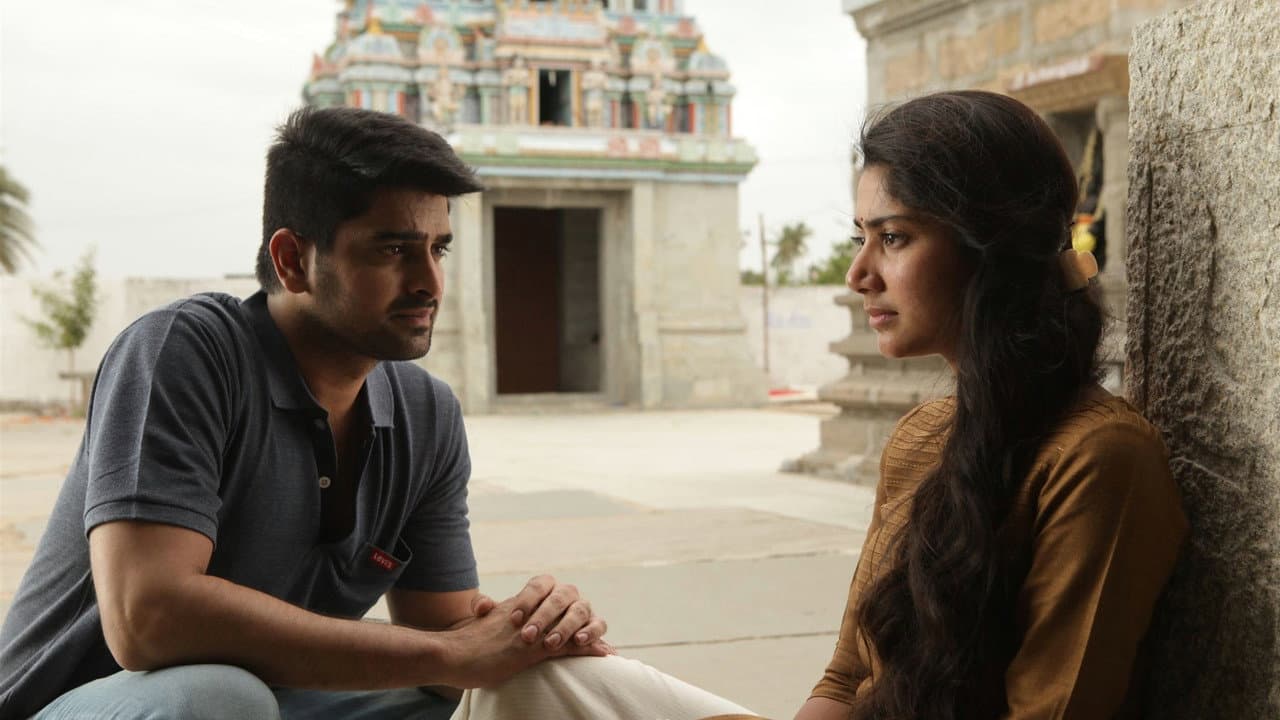
Diya emerged from Lyca Productions in 2018 as an ambitious dual-language project, shot simultaneously in Tamil and Telugu (the Telugu version titled Kanam, meaning "Particle"). Both versions hit screens on April 27, 2018, reflecting the production's commitment to reaching audiences across South Indian markets. The film stars Sai Pallavi, whose career was already gaining momentum following her breakout roles, alongside Telugu actor Naga Shourya and actor Veronika Arora. Director Vijay helmed the project with a technical team that included cinematographer Nirav Shah—known for his work on visually striking Indian cinema—and composer Sam CS, whose score threads through the film's emotional and horrific moments. The runtime stretches to 160 minutes, giving the narrative room to develop its mythology and character arcs without feeling rushed. On IMDb, the film holds a rating of 6.3/10, reflecting mixed but engaged viewership. While it didn't dominate box office conversations the way some commercial blockbusters do, Diya carved out a devoted following among horror and thriller enthusiasts who appreciated its willingness to tackle unconventional subject matter.
What makes Diya stand out: performance and the unsettling emotional core
What's striking about Diya is how it refuses to let the horror elements overshadow the human cost at its center. Sai Pallavi's performance—whether embodying the vengeful spirit or the living characters caught in her orbit—carries a weight that transforms what could've been a standard revenge plot into something more psychologically textured. The film doesn't treat its supernatural premise as mere spectacle; instead, the ghost becomes a manifestation of unresolved trauma, a literal haunting that forces the family to confront their choices. There's a scene early on where the ordinary suddenly becomes unsettling, not through jump scares but through the creeping realization that something is fundamentally wrong in this household—that kind of dread builds slowly and stays with you. The screenplay balances horror tropes with genuine character moments, allowing us to understand why each family member made their fateful decision, even as we watch them suffer for it. It's not always comfortable viewing. The film grapples with themes of bodily autonomy, parental control, and the silencing of women's voices—heavy material wrapped in a genre package. Critics and viewers on Movie OTT, which tracks streaming availability across major platforms, have noted that the film's strength lies in this tonal complexity rather than in scares alone. The romance subplot, which threads through the narrative, adds another layer of vulnerability—characters searching for connection even as they're being torn apart by forces they can't control.
Where to stream Diya online right now
Diya is available on major OTT services, making it accessible to viewers across multiple streaming ecosystems. The Where to Watch widget at the top of this page shows you exactly which platforms currently carry the film in your region—availability shifts seasonally, so it's worth checking there first. Movie OTT keeps those listings updated as licensing agreements change, so you won't waste time hunting. Whether you're subscribed to one of the major Indian streaming platforms or looking to rent it on-demand, you've got options. The dual-language availability (Tamil and Telugu) means you can watch it in whichever version feels more natural to you, though both are worth experiencing if you're bilingual.
Frequently asked questions
Q: Who directed Diya and what studio produced it?
Director Vijay helmed Diya for Lyca Productions, which released the film in 2018. The production was ambitious in scope, shooting simultaneously in both Tamil and Telugu languages to reach broader South Indian audiences.
Q: Is Diya based on a true story?
No, Diya is a fictional horror-thriller. Its premise—about a vengeful spirit seeking retribution—is an original creation designed to explore themes of family trauma and supernatural revenge rather than drawn from real events.
Q: How long is Diya?
The film runs 160 minutes, giving the narrative substantial time to develop its characters, mythology, and emotional arcs without feeling compressed.
Q: What languages is Diya available in?
Diya was shot in both Tamil and Telugu simultaneously. The Tamil version is titled Diya, while the Telugu version is called Kanam (meaning "Particle"). Both versions were released on April 27, 2018, and both are available on streaming platforms.
Q: What's the IMDb rating for Diya?
Diya holds a 6.3/10 rating on IMDb, reflecting mixed but engaged viewership among those who appreciate horror-thrillers with emotional depth and unconventional storytelling.
Final thoughts on Diya: who should watch this film
Diya isn't for everyone—it's genuinely unsettling, and it doesn't offer easy answers or clean resolutions. But if you're drawn to horror that uses its genre machinery to explore real emotional pain, if you appreciate performances that ground supernatural narratives in human vulnerability, or if you're curious about South Indian cinema pushing beyond conventional boundaries, Diya deserves your time. It's a film that lingers. The thing nobody mentions is how much of its power comes not from what you see on screen, but from what the story makes you feel about family, choice, and the ghosts we carry with us—literal or otherwise.