
The Story of Don't Follow Me
Don't Follow Me follows Carla, a woman consumed by the relentless pursuit of social media fame, as she makes the fateful decision to move into a building rumored to be haunted. Rather than simply living there, she concocts an elaborate scheme: she'll stage fake paranormal encounters, film them, and upload the footage to build a massive following. It's a calculated gamble—turn her new residence into content gold, rack up subscribers, and ride the algorithm wave to influencer status. But the plan unravels in ways she never anticipated. As Carla manufactures her fictional hauntings, a genuine supernatural entity awakens in the building, and the line between her staged horror and actual terror begins to blur until she can no longer tell what's real and what she's invented. The film's 89-minute runtime doesn't waste time—it plunges straight into the collision between digital delusion and authentic dread.
Behind the Making of Don't Follow Me
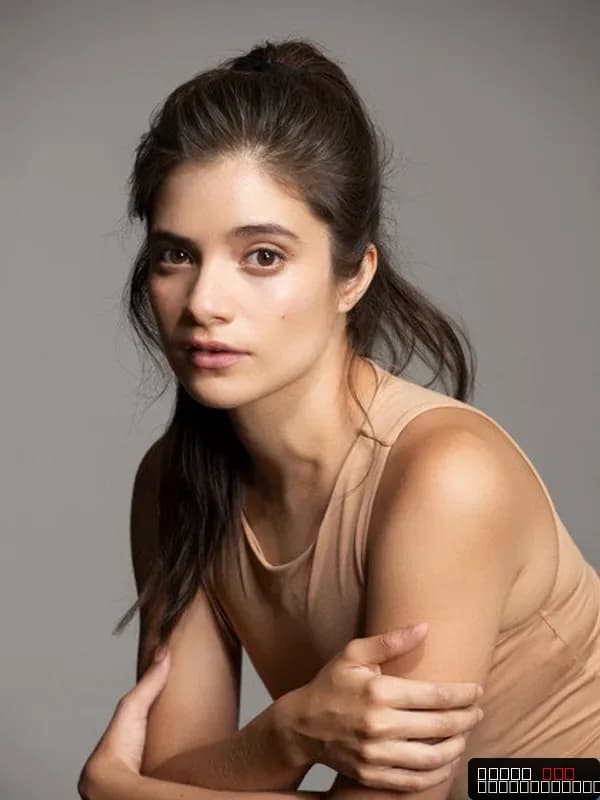
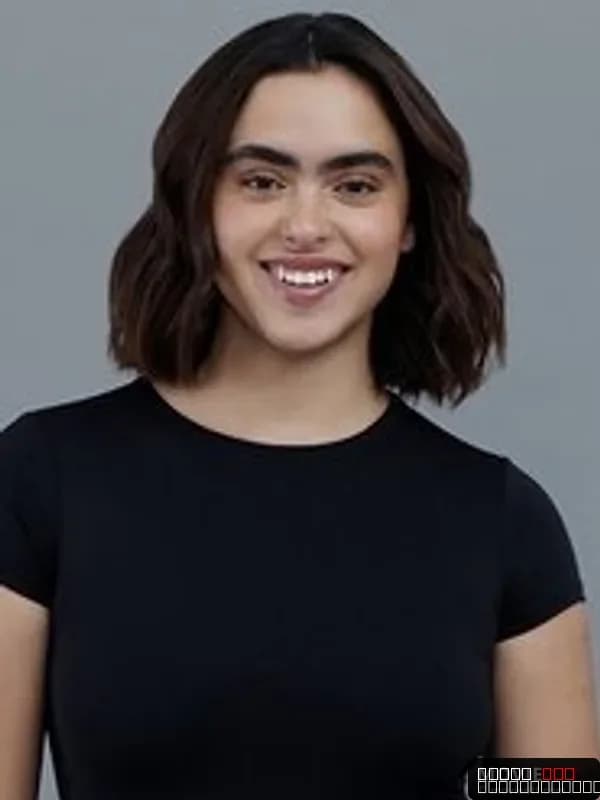
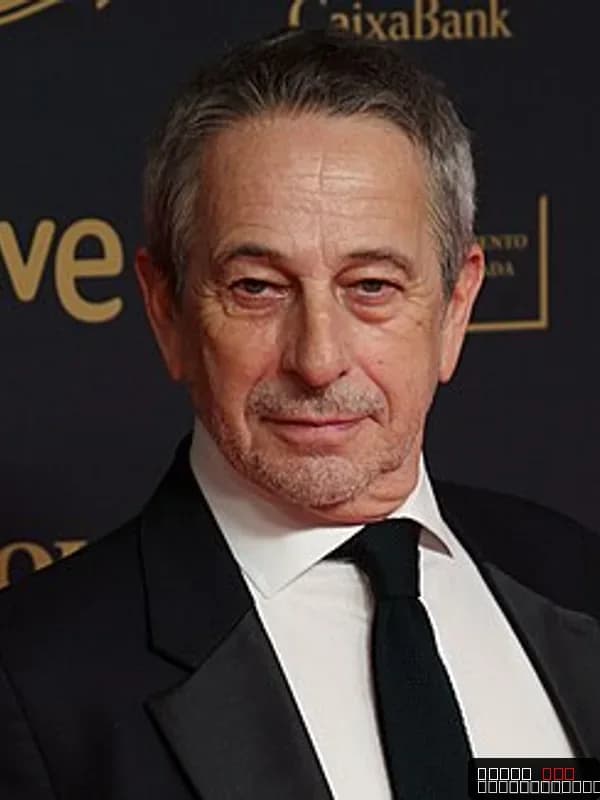
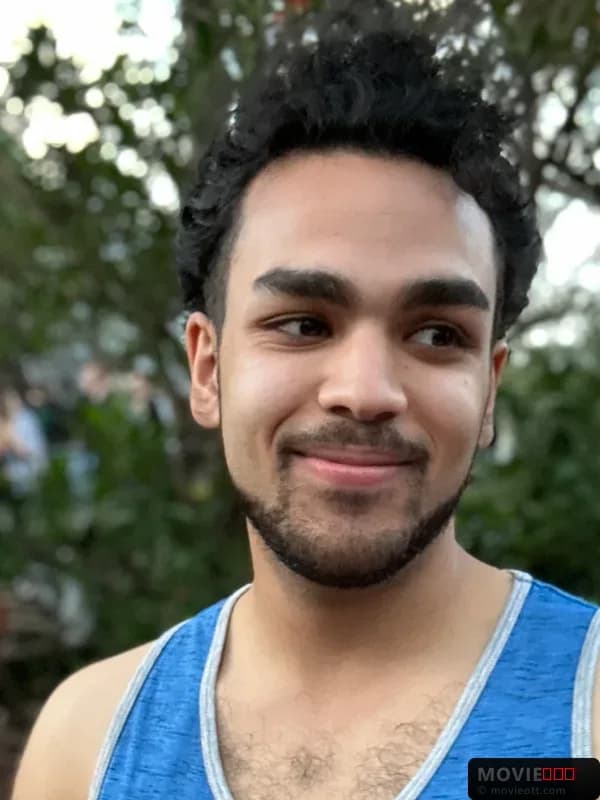
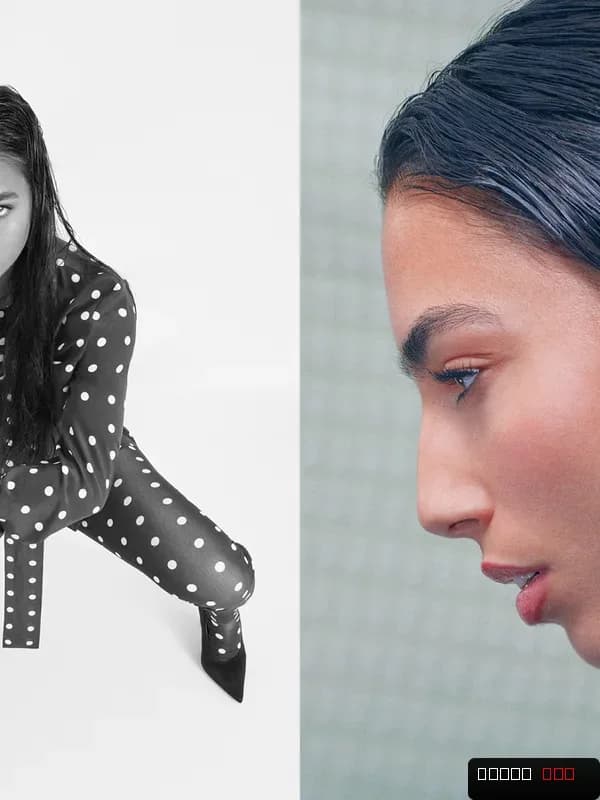
Don't Follow Me marks a significant moment in horror cinema as Blumhouse Productions' first original Spanish-language film, directed by the husband-and-wife team of Ximena García Lecuona and Eduardo Lecuona. García Lecuona also penned the screenplay, bringing a distinctly Latin American perspective to a story that speaks to the globalized obsession with social media validation. The cast includes Karla Rodríguez Coronado in the lead role as Carla, alongside Yankel Stevan, Julia Maque, Cesar Serrano Prado (credited as "Parker"), María Ulloa, Miranda García, and Luz María Meza. This ensemble brings authenticity to the Spanish-language dialogue and cultural context that grounds the film's exploration of digital-age anxiety. Blumhouse's involvement signals the studio's continued expansion beyond English-language horror, recognizing that fear—and the themes driving it—translates across borders. The production represents a bridge between Mexican and American horror sensibilities, crafted for a streaming audience hungry for genre content that reflects their own complicated relationship with their phones and feeds.
What Makes Don't Follow Me Stand Out in 2025 Horror
What's striking about Don't Follow Me is how directly it addresses a contemporary anxiety that most horror films haven't quite figured out how to tackle with real bite. The premise—that someone could accidentally summon actual evil while performing fake evil for clout—feels both absurd and disturbingly plausible. It's the kind of idea that makes you squirm because it's not entirely far-fetched. Rodríguez Coronado carries the film with a performance that captures the desperation and self-delusion of someone who's convinced themselves that the line between authenticity and artifice doesn't matter anymore, as long as the engagement numbers climb. The thing nobody mentions about social media horror is that it works best when the film itself acknowledges how stupid the premise sounds—and Don't Follow Me doesn't shy away from that tension. The directors lean into the absurdity without letting it undermine the genuine scares. There's a particular sequence early on where Carla sets up her first fake haunting that perfectly encapsulates the film's tonal balancing act: it's darkly funny, then unsettling, then terrifying, sometimes within the same shot. The cinematography uses the building itself as a character, with corridors and spaces that feel simultaneously mundane and oppressive. At 5.3 on IMDb from over 500 votes, the film clearly divides viewers—some find its commentary sharp and its scares effective, while others feel the premise collapses under its own weight. That division itself is interesting; it suggests the film is doing something worth arguing about.
Where to Stream Don't Follow Me Online
Don't Follow Me is currently available on Disney+, making it accessible to millions of subscribers worldwide. If you're looking to track where this title and other new releases are streaming, Movie OTT keeps an up-to-date database of which platforms carry which films, so you can find exactly what you're in the mood for without bouncing between apps. The Where to Watch widget at the top of this page shows real-time availability, updated regularly to reflect changes in licensing. Disney+ has been increasingly aggressive about acquiring international horror content, and this placement signals their confidence in the film's appeal to their global audience. The streaming-first release strategy is particularly suited to a film like this one—horror fans tend to discover genre content through word-of-mouth and algorithm recommendations rather than traditional theatrical marketing, and Disney+'s recommendation engine will likely surface it for viewers who've enjoyed other Blumhouse productions or Latin American cinema.
Frequently asked questions
Q: Where can I watch Don't Follow Me?
Don't Follow Me is currently streaming on Disney+. You can check the Where to Watch widget above for the most up-to-date availability information, or visit Movie OTT to track its status across platforms.
Q: Who directed Don't Follow Me?
The film was directed by Ximena García Lecuona and Eduardo Lecuona, a husband-and-wife directing team. García Lecuona also wrote the screenplay.
Q: Is Don't Follow Me based on a true story?
No, Don't Follow Me is an original fictional story created specifically for the film. The plot—about a woman who fakes paranormal activity on social media and awakens a real supernatural entity—is a concept developed by the filmmakers to explore themes of digital obsession and the blurred line between fiction and reality.
Q: How long is Don't Follow Me?
The film runs 89 minutes, keeping the pacing tight and the scares coming without excessive runtime.
Q: What's the rating for Don't Follow Me?
Don't Follow Me currently has a 5.3 rating on IMDb based on over 500 votes, indicating mixed critical and audience reception—some viewers find its social media commentary and horror elements effective, while others feel the premise doesn't fully deliver.
Final Thoughts on Don't Follow Me
Don't Follow Me won't be for everyone. If you can't stomach the premise—a woman faking hauntings for followers—or if you're tired of "influencer in danger" narratives, this film will likely test your patience. But if you're open to horror that's willing to interrogate our relationship with social media validation, and you appreciate filmmakers who aren't afraid to let their concept be a little ridiculous before it becomes genuinely scary, there's something here worth your time. It's messy, occasionally uneven, and sometimes too clever for its own good—but it's also trying to say something about how we perform ourselves online, and that impulse alone makes it worth a watch.

