






The story of Door Lock: a home becomes a trap
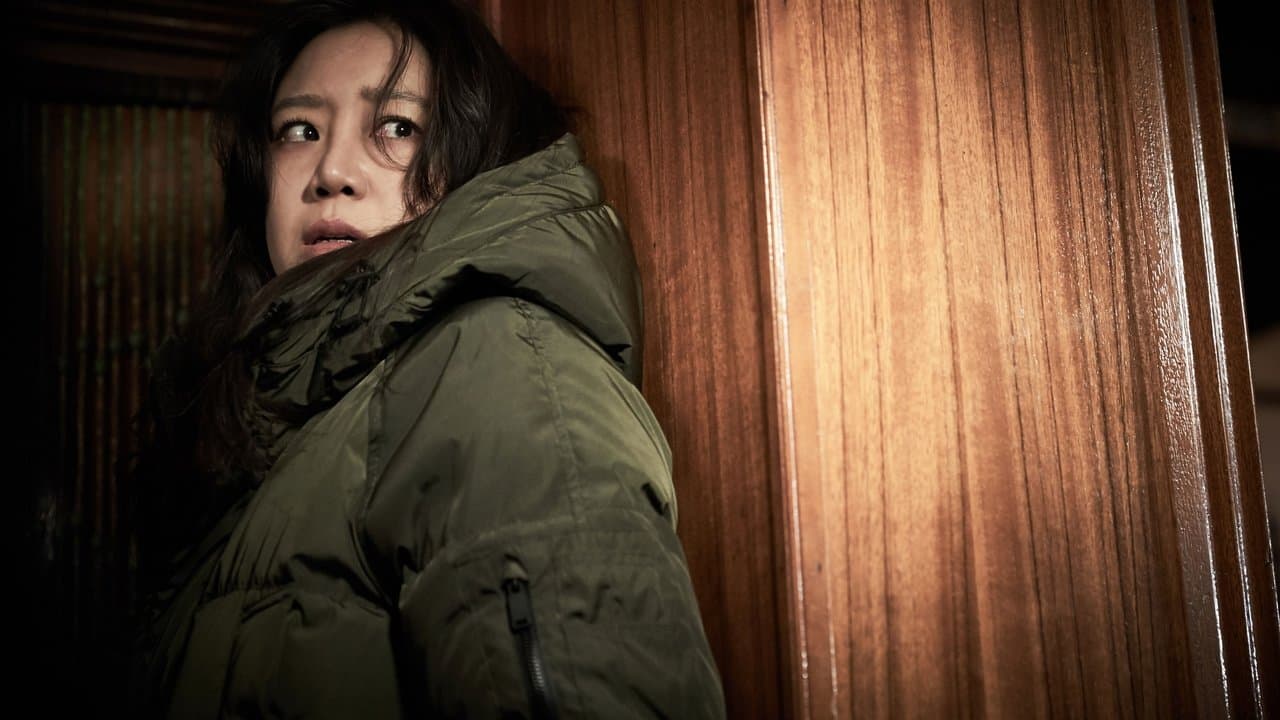
Kyung-min lives alone in a modest one-room apartment. It's the kind of space where you should feel safe—where your own four walls are supposed to be a sanctuary. But one day, she notices something wrong. Small traces. Signs that someone's been inside while she wasn't there. What starts as unease quickly spirals into something darker: a mysterious murder case begins to unravel, and Kyung-min realizes the violation goes far deeper than she ever imagined. The apartment she thought was hers alone has become a hunting ground, and she's caught in the middle of a nightmare she can't simply wake up from. Director Lee Kwon's 2018 film takes the home-invasion premise and strips it down to its most visceral, paranoid core—not through gore or jump scares, but through the slow, suffocating realization that nowhere is truly safe.
Behind the making of Door Lock: adaptation, cast, and the Korean thriller boom
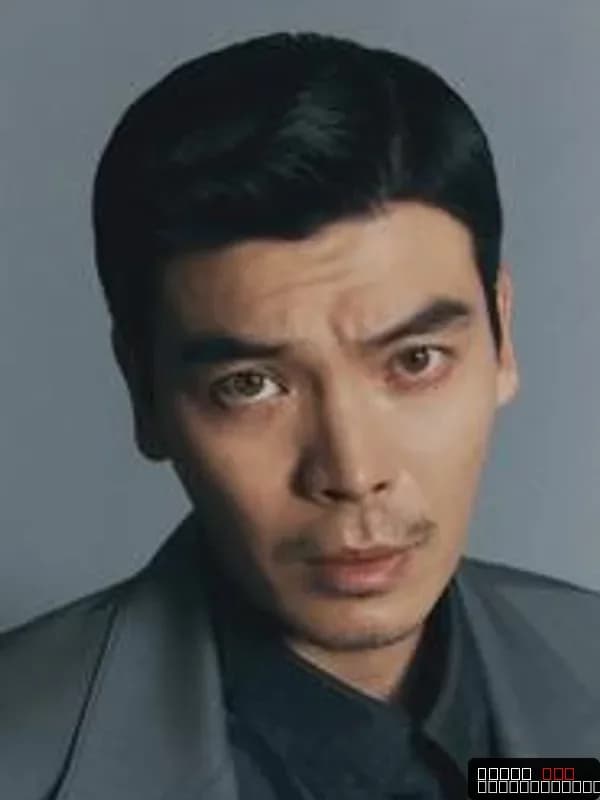
Door Lock didn't emerge from nowhere. The film is an adaptation of the 2011 Spanish thriller Sleep Tight, but with a crucial narrative shift: where the original followed the perpetrator's point of view, this Korean version puts us squarely in the victim's shoes. That choice—told by director Lee Kwon and the production team at Plus M Entertainment and Studio Pieona—transforms the entire emotional weight of the story. The cast anchors this unease with conviction. Gong Hyo-jin carries the film as Kyung-min, supported by Kim Ye-won and Kim Sung-oh in roles that demand restraint and psychological depth rather than theatrical performance. The film arrived in South Korean cinemas on December 5, 2018, landing during a period when Korean thrillers were gaining serious international traction. While Door Lock didn't become a massive box-office phenomenon, it found its audience among viewers who crave intelligent, character-driven suspense over spectacle. The film holds a respectable 7.4/10 on IMDb, a rating that reflects its strong word-of-mouth reputation among genre enthusiasts—not a blockbuster score, but a solid one that speaks to sustained engagement rather than flash.
What makes Door Lock stand out: atmosphere, misdirection, and the frustration of being disbelieved
What's striking about Door Lock is how it refuses to let the viewer settle into comfortable genre rhythms. Yes, there's a slow start—some viewers find the first act deliberately paced to the point of frustration—but that's precisely the point. Kyung-min's growing paranoia mirrors our own, and the film doesn't rush to validate her fears or hand us easy answers. The mystery keeps viewers engaged through clever misdirection; you're never quite sure who the threat is or what they want, and that uncertainty is the film's real power. The performances, particularly Gong Hyo-jin's, anchor the psychological unraveling convincingly. What's less forgiving—and this is where audience reviews tend to split—is the film's portrayal of the police and Kyung-min's social circle. They're dismissive. Judgmental. When she tries to report the intrusions, she's met with skepticism, with suggestions that she's overreacting or imagining things. It's maddening to watch, but that's also precisely what makes it feel true. The thing nobody mentions is how much of the film's terror comes not from the intruder, but from the isolation of not being believed. That's a different kind of horror—one that doesn't require a knife or a chase scene. It's the slow suffocation of having your reality questioned by everyone around you.
How to watch Door Lock online: streaming availability
Door Lock is available on major OTT services, and Movie OTT tracks current streaming availability across all platforms so you can find it instantly. Rather than hunting through multiple subscription services to figure out where a title lives, Movie OTT does the heavy lifting for you—especially useful for international films like this one, which sometimes rotate between platforms or region-lock depending on your location. Check the "Where to Watch" widget at the top of this page to see which services are currently carrying Door Lock in your area. Availability does shift seasonally, so if you're planning a watch, it's worth verifying before you settle in.
Frequently asked questions
Q: Is Door Lock based on a true story?
No, but it's adapted from the 2011 Spanish film Sleep Tight, which itself was an original screenplay. The Korean version keeps the core premise but reframes it entirely from the victim's perspective rather than the perpetrator's, giving it a different psychological flavor.
Q: Who directed Door Lock?
Lee Kwon directed the film. It was produced by Plus M Entertainment and Studio Pieona, and released in South Korea on December 5, 2018.
Q: How long is Door Lock?
The film runs 102 minutes, roughly an hour and forty-two minutes—short enough to feel tight, long enough to build real dread.
Q: What's the main difference between Door Lock and the original Sleep Tight?
Sleep Tight tells the story from the intruder's perspective, making it a disturbing character study of a predator. Door Lock flips this entirely, putting you in the victim's head and making the film about her terror, confusion, and the struggle to be believed.
Q: Is Door Lock a horror film or a thriller?
It's classified as both a thriller and a crime mystery, though it has horror elements—particularly psychological horror. It's more cerebral than gory, relying on atmosphere and dread rather than scares.
Final thoughts on Door Lock: who should watch
Door Lock isn't for everyone. If you want a tightly plotted whodunit with clear answers and cathartic resolution, you might leave frustrated. But if you're drawn to slow-burn psychological thrillers that trust the audience to sit with discomfort—films where paranoia becomes contagious—this one's worth your time. It's the kind of movie that sticks with you, that makes you think twice about your own apartment's locks and who might have access to your space. It's also a smart piece of international genre filmmaking that proves Korean cinema's mastery of suspense. Honestly, that's what matters most.