


The story of Downfall: The Case Against Boeing
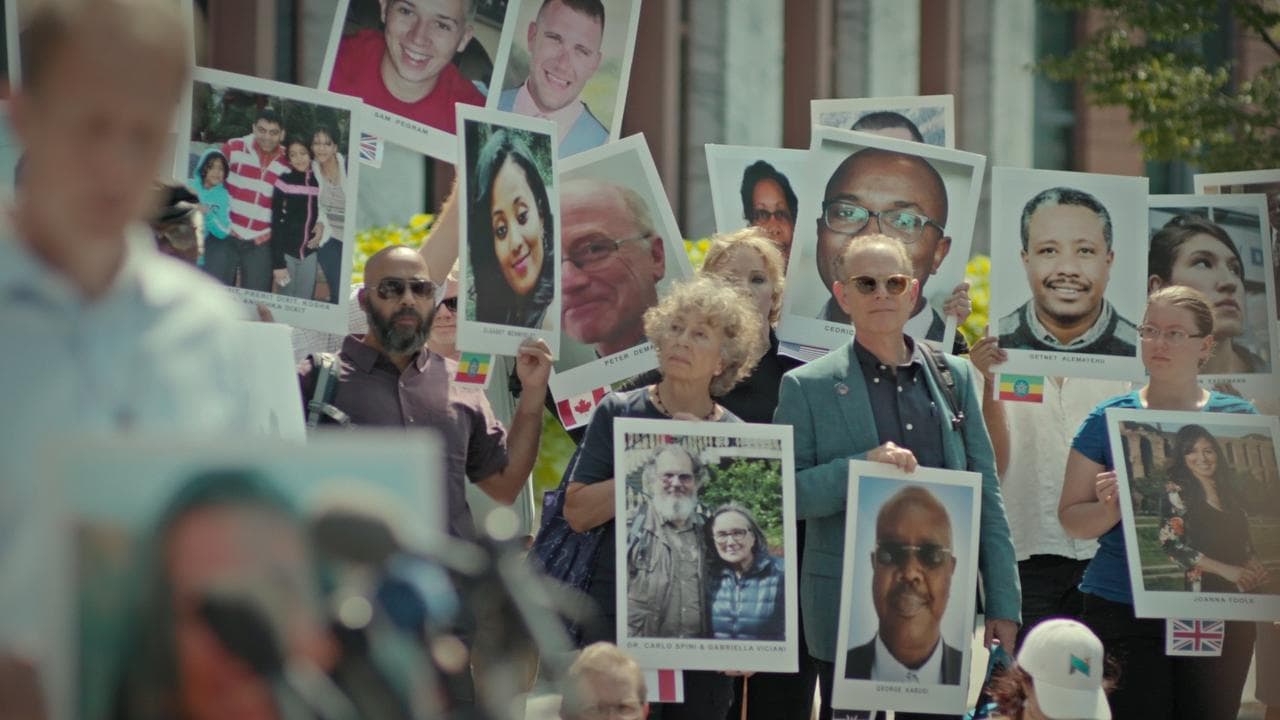
Downfall: The Case Against Boeing is a 2022 documentary that reconstructs one of aviation's darkest chapters—the back-to-back crashes of Boeing 737 MAX aircraft that killed 346 people in less than five months. Director Rory Kennedy pieces together archival footage, investigative reporting, and testimony from pilots, engineers, and whistleblowers to ask a question that haunts the entire industry: how did a company with decades of safety leadership allow a catastrophic design flaw to reach the skies? The film doesn't just chronicle what happened; it examines the corporate culture and competitive pressures that allegedly made it inevitable. What's striking is how the documentary frames this not as a simple mechanical failure, but as a systemic breakdown where speed and shareholder returns trumped rigorous safety protocols.
Behind the making of Downfall: The Case Against Boeing
Produced by Imagine Documentaries, Moxie Films, and Imagine Entertainment, Downfall: The Case Against Boeing arrived in 2022 with considerable institutional backing and a runtime of 89 minutes—lean enough to maintain momentum, long enough to dig into the technical and human dimensions of the story. The film earned a PG-13 rating despite its serious subject matter, making it accessible to a broader audience than many documentaries about industrial disasters. Kennedy's approach relies heavily on primary sources: leaked internal Boeing communications, congressional hearing footage, and interviews with people who were in the room when critical decisions were made. Critics and audiences responded warmly; the film holds a 91% rating on Rotten Tomatoes (Fresh), a Metascore of 68, and an IMDb rating of 7.4 out of 10 across nearly 14,300 user votes. The documentary also earned three award nominations, recognizing its investigative rigor and narrative craft. For those tracking documentaries across streaming platforms, Movie OTT provides real-time availability across major OTT services, so you can find where it's currently streaming in your region.
What makes Downfall: The Case Against Boeing stand out
There's a particular power in how this documentary handles technical complexity without dumbing it down. The MCAS (Maneuvering Characteristics Augmentation System) software—the system at the heart of both crashes—could've been presented as an abstract engineering problem. Instead, Kennedy and her team show viewers the actual pressure pilots faced: 10 seconds to recognize a malfunction and override the system before the aircraft became unrecoverable. That specificity matters. Audience reviews consistently mention how the film illuminates details they'd missed in news coverage—the way Boeing's competitive desperation to match Airbus's newer aircraft design led to corner-cutting, the internal memos that suggest leadership knew about problems, the regulatory capture that allowed self-certification in certain areas. One viewer noted that while they'd read technical breakdowns in the press, they'd never grasped how "insanely unforgiving" the software's edge cases were for pilots caught off-guard. The documentary doesn't just present facts; it builds a narrative arc where corporate incentives, engineering shortcuts, and human error converge into tragedy. It's a film that respects its audience's intelligence—you won't find melodramatic music or sensationalism. What you will find is careful, methodical reporting that lets the evidence speak for itself.
Where to stream Downfall: The Case Against Boeing online
Downfall: The Case Against Boeing is available on major OTT services, and you can check the Where to Watch widget at the top of this page to see current availability in your area. Streaming catalogs shift frequently, so what's available today might rotate off next month—that's why Movie OTT tracks these changes in real time, so you don't waste time searching. At 89 minutes, it's the kind of documentary that fits neatly into an evening, but you'll probably want to discuss it afterward. Whether you're watching on a smart TV or tablet, the film's use of archival footage and on-screen graphics translates well to most screen sizes, though the technical diagrams do reward a clearer picture if you can manage it.
Frequently asked questions
Q: Is Downfall: The Case Against Boeing based on a true story?
Yes. The documentary examines the real crashes of Lion Air Flight 610 (October 2018) and Ethiopian Airlines Flight 302 (March 2019), both Boeing 737 MAX aircraft. Kennedy's film synthesizes official investigations, court documents, and interviews to reconstruct how these tragedies occurred.
Q: Who directed Downfall: The Case Against Boeing?
Rory Kennedy directed the film. Kennedy is an Oscar-nominated documentarian known for her investigative approach to institutional failures and historical reckoning. Her production company, Moxie Films, developed the project alongside Imagine Documentaries.
Q: What's the runtime and rating of Downfall: The Case Against Boeing?
The documentary runs 89 minutes and carries a PG-13 rating, making it suitable for older teens and adults interested in the subject matter.
Q: How accurate is Downfall: The Case Against Boeing?
The film draws from official accident investigation reports, congressional testimonies, and interviews with engineers and pilots involved in the investigations. That said, it presents a critical perspective on Boeing's corporate decisions—viewers should understand it's not a neutral account but rather an examination of how profit motives may have contributed to safety lapses.
Q: Is Downfall: The Case Against Boeing part of a series?
It's part of the Boeing Collection, an established documentary series examining the aircraft manufacturer.
Final thoughts on Downfall: The Case Against Boeing
Downfall: The Case Against Boeing doesn't offer easy answers or redemption arcs. It's a sobering look at how institutional pressure, competitive anxiety, and regulatory blind spots can align in ways that cost lives. If you're interested in aviation history, engineering ethics, or how corporations navigate the tension between innovation and safety, this is essential viewing. It's also valuable for anyone who wants to understand how modern investigations actually work—how evidence gets gathered, how whistleblowers become crucial, how the truth emerges piece by piece. The film won't make you feel good, but it will make you think. That's the mark of serious documentary work.