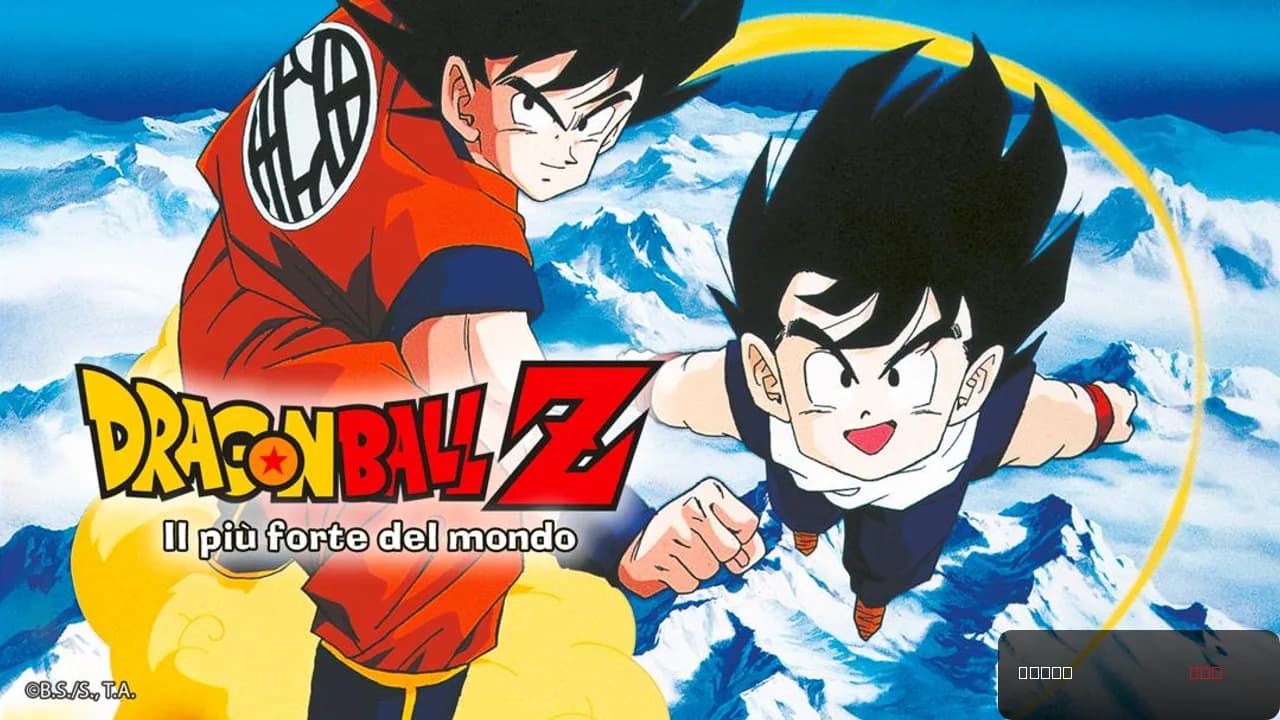
The Story of Dragon Ball Z: The World's Strongest
Dragon Ball Z: The World's Strongest drops viewers into a high-stakes martial arts conflict that doesn't waste time on setup. The film centers on an antagonist who's discovered a way to rival Goku's legendary strength—and unlike many DBZ villains, he's not interested in lengthy monologues or redemption arcs. Instead, what unfolds is a tight, action-focused narrative that respects the audience's time. At just 59 minutes, the film packs genuine momentum; every scene serves the story, and there's no filler between the opening clash and the climactic battle. The stakes feel immediate because they are.
What makes this entry stand apart from its predecessor, Dead Zone, is its willingness to ground the conflict in pure martial skill rather than cosmic destiny. The protagonist isn't trying to reshape reality or absorb the Earth's energy—he's simply looking to prove he's the strongest fighter alive. That simplicity is deceptive. It allows director Daisuke Nishio to focus on what Dragon Ball does best: two fighters pushing each other to impossible limits.
Behind the Making of Dragon Ball Z: The World's Strongest
Dragon Ball Z: The World's Strongest arrived in Japanese theaters on March 10, 1990, sandwiched between episodes 39 and 40 of the ongoing TV series—a strategic release that let fans see a feature-length story without missing crucial plot developments. The film debuted as part of the "Toei Manga Matsuri" festival, a multi-film event that also showcased new Akuma-kun and Sally the Witch projects, giving it institutional backing but also making it one title competing for attention among anime fans that day.
Director Daisuke Nishio helmed the project with a veteran voice cast anchoring the performances. Masako Nozawa reprised her iconic role as Goku (and multiple other characters), while Toshio Furukawa, Mayumi Tanaka, Hiromi Tsuru, and others brought continuity from the TV series to the big screen. The runtime constraint—59 minutes—forced the production team to prioritize action sequences and emotional beats over worldbuilding exposition. That discipline shows in the pacing. The animation quality reflects Toei's investment in the theatrical release; there's a visual polish here that distinguishes it from weekly TV episodes, particularly in the fight choreography where frame rates and detail work elevate the combat beyond what the broadcast series could achieve week-to-week.
The film doesn't appear to have won major international awards, and box office figures from 1990 Japan aren't widely publicized in English-language sources, but the movie's enduring presence on streaming platforms like Crunchyroll suggests it's retained cultural staying power among DBZ enthusiasts. The IMDb community rates it 6.6/10 across 8,212 votes—a solid mid-tier score that reflects its status as a respectable but not universally beloved installment in the franchise's film catalog.
What Makes Dragon Ball Z: The World's Strongest Stand Out
Here's what's striking about this film: it doesn't overthink itself. In an era when anime movies often felt obligated to introduce world-ending threats or cosmic-scale conspiracies, this one just says "two strong guys fight." And honestly? That's enough. The performances, particularly Nozawa's work voicing Goku, capture the character's almost childlike determination—he's not fighting for the fate of the universe but because he loves testing his limits against worthy opponents. That's the emotional core, and it works.
The action sequences themselves demonstrate real craft. Where some DBZ films rely on repetitive beam-clash animation, The World's Strongest commits to varied fight choreography. The combatants trade techniques, adapt strategies, and push each other in ways that feel earned rather than predetermined. You can see the animators understood martial arts pacing—the rhythm of attack and defense, the moments of mutual respect between fighters, the way exhaustion changes how a character moves. It's not just explosions; it's bodies in space, momentum and weight mattering.
What's less successful—and I want to be fair about this—is character development for anyone outside the main conflict. The supporting cast (Krillin, Gohan, and others) exists mostly to react or provide brief comic relief. There's not much room in 59 minutes for nuance, and the film doesn't try to force it. Some viewers will find that refreshing; others might want more stakes for the ensemble. But that's a trade-off the production made consciously, and it keeps the narrative tight. The thing that doesn't get enough credit is how the villain's motivation—pure, uncomplicated strength-seeking—mirrors Goku's own drive, creating a thematic echo that elevates what could've been a generic "bad guy appears" plot.
Where to Stream Dragon Ball Z: The World's Strongest Online
Dragon Ball Z: The World's Strongest is currently available on Crunchyroll, the leading anime streaming platform. If you're already subscribed for other DBZ content—and most fans are—you can queue this up without additional friction. The platform's extensive Dragon Ball catalog makes it the natural home for this 1990 feature, and Crunchyroll's streaming quality is solid for both the Japanese audio track and English dub versions (if available in your region).
For viewers hunting across multiple services, Movie OTT tracks current streaming availability across platforms in real time, so you can verify where titles are currently hosted before you start searching. The "Where to Watch" widget at the top of this page shows all current platforms carrying Dragon Ball Z: The World's Strongest, saving you the hassle of checking five different apps. Availability varies by region and subscription tier, so that widget is your quickest reference.
Frequently asked questions
Q: Who directed Dragon Ball Z: The World's Strongest?
Daisuke Nishio directed this 1990 feature film. He brought a disciplined approach to the 59-minute runtime, prioritizing action sequences and narrative momentum over subplot development.
Q: Where can I watch Dragon Ball Z: The World's Strongest?
The film is currently streaming on Crunchyroll. Check the Where to Watch widget at the top of this page for the most up-to-date availability in your region.
Q: What year was Dragon Ball Z: The World's Strongest released?
It premiered in Japan on March 10, 1990, as part of the Toei Manga Matsuri film festival event, releasing between episodes 39 and 40 of the DBZ TV series.
Q: How long is Dragon Ball Z: The World's Strongest?
The film runs 59 minutes, making it one of the shorter entries in the Dragon Ball Z film franchise—a tight runtime that keeps pacing brisk and action-focused.
Q: Who voices Goku in Dragon Ball Z: The World's Strongest?
Masako Nozawa reprises her legendary role as Goku (and multiple other characters) in the film, alongside a veteran voice cast including Toshio Furukawa and Mayumi Tanaka.
Final Thoughts on Dragon Ball Z: The World's Strongest
Dragon Ball Z: The World's Strongest won't revolutionize your understanding of the franchise. It's not the most innovative DBZ film ever made. But it's a genuinely solid piece of martial arts animation that respects both the source material and the viewer's time. If you're a DBZ completist or someone who appreciates tight, action-driven storytelling without bloat, it's worth the hour. Stream it on Crunchyroll and judge for yourself—you'll know within the first five minutes whether this particular fight speaks to you.


