The Story of Dream Images and a Forgotten Artist
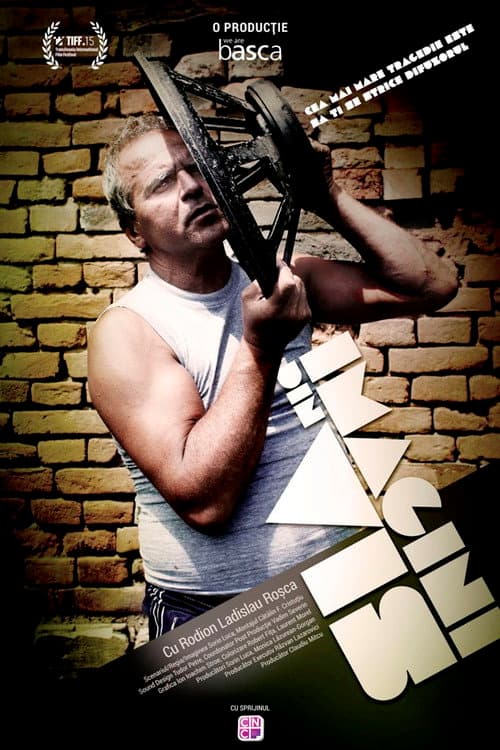
Dream Images tells the story of Rodion Rosca, a Romanian musician who achieved something rare in 1978 — he became a radio star in a country where artistic freedom was a luxury few could afford. But success on the airwaves didn't translate into the one thing that might have cemented his legacy: a released debut album. Instead, Rosca's work vanished into the machinery of Nicolae Ceausescu's totalitarian state, buried alongside countless other artists deemed "unacceptable" for their backgrounds and views. This 78-minute documentary doesn't just chronicle what happened to Rosca's music. It reconstructs the atmosphere of fear and creative suffocation that defined the late Ceausescu era, when being talented wasn't enough — you had to be politically acceptable, too.
What makes Rosca's story particularly compelling is how it captures a specific moment in Eastern European history when the regime's grip was tightening even as the world outside was changing. He wasn't a dissident staging underground concerts or smuggling forbidden tapes. He was simply an artist trying to work within a system designed to crush him. The film pieces together interviews, archival material, and recovered recordings to show how one person's career became collateral damage in a dictatorship's war on culture.
Behind the Making of Dream Images
Dream Images was produced by Wearebasca, a production company known for documentary work that excavates hidden histories. Released in 2016, the film arrived decades after the fall of Ceausescu's regime (1989), which gave filmmakers access to archives, survivors, and the kind of historical distance that allows for thoughtful reflection rather than immediate survival testimony. The documentary's 78-minute runtime is lean and purposeful — there's no padding here, no filler. Every scene serves the central mystery: what happened to Rodion Rosca, and why did his music matter?
The film earned a solid 7.8/10 rating on IMDb, a score that reflects both its documentary craftsmanship and its emotional weight. That's the kind of rating that suggests viewers found it thoughtful and moving without being preachy or manipulative. Documentaries about political repression can easily veer into heavy-handed territory, but Dream Images seems to have struck a balance — presenting facts and recovered materials in a way that lets the tragedy speak for itself rather than lecturing viewers about what to feel.
The production benefited from the passage of time and the opening of Eastern European archives after 1989. Filmmakers could access recordings, documents, and interviews that would have been impossible to secure during the Cold War. What's striking is how the team managed to recover Rosca's actual music and voice, turning an archival puzzle into a human portrait. The specificity of the 1978 setting — a particular moment in the late Ceausescu period — grounds the film in verifiable history rather than abstraction.
What Makes Dream Images Stand Out
There's something quietly devastating about Dream Images that lingers after the credits roll. The film doesn't rely on dramatic reenactments or heavy orchestral scores to manipulate your emotions. Instead, it works through absence — through the silence where Rosca's album should have been, through the gap between his radio success and his erased discography. That's a more honest way to tell this story, because it mirrors what actually happened to him: not a dramatic persecution, but a slow suffocation of opportunity.
What I keep coming back to is how the documentary frames artistic persecution not as a grand tragedy but as a bureaucratic one. Ceausescu's regime didn't need to jail every artist or stage public trials. It could simply refuse to release your work, deny you recording time, or quietly blacklist you from state radio. The film captures how totalitarianism operates at the granular level — through the accumulation of small, crushing decisions that add up to a career destroyed. Rosca's talent was never in question. His radio audiences knew his voice. But none of that mattered when the state decided his background made him expendable.
The recovered recordings themselves become a kind of evidence. Hearing Rosca's voice — his actual voice from tapes made in the 1970s — transforms him from a historical figure into a person. It's not just that he was silenced. It's that we can hear him now, decades later, and recognize what the regime tried to erase. The documentary's power comes partly from this act of restoration, from the simple fact that his music survived even when the system tried to bury it.
Where to Stream Dream Images Online
Dream Images is available across major OTT streaming services, making it accessible to viewers interested in documentary history and Cold War narratives. Movie OTT tracks current streaming availability across multiple platforms, so you can find exactly where the film is playing in your region. The "Where to Watch" widget at the top of this page shows you all the current options — availability does shift between services, so it's worth checking there for the most up-to-date information. Given the film's specific historical focus and modest runtime, it's the kind of documentary that works well as a focused streaming experience, whether you're watching on a weeknight or setting aside a dedicated evening for it.
Frequently asked questions
Q: Who was Rodion Rosca?
Rodion Rosca was a Romanian musician who achieved radio stardom in 1978 despite living under Nicolae Ceausescu's totalitarian regime. Though he was a recognized voice on state radio, his debut album was never released due to political persecution.
Q: What year was Dream Images released?
Dream Images was released in 2016, nearly 27 years after the fall of the Ceausescu regime, allowing filmmakers access to archives and historical perspective that wouldn't have been possible earlier.
Q: Is Dream Images based on a true story?
Yes. The documentary is based on the actual history of Rodion Rosca and the suppression of his music during Ceausescu's rule in late 1970s Romania. It uses recovered recordings, interviews, and archival materials to reconstruct what happened.
Q: How long is Dream Images?
The film runs 78 minutes, a tight runtime that focuses on Rosca's story without excess exposition or padding.
Q: Where can I watch Dream Images?
Dream Images is available on major OTT streaming platforms. Check the "Where to Watch" section at the top of this page for current availability in your region, as streaming rights vary by location.
Final Thoughts on Dream Images
Dream Images isn't a film about heroes or villains — it's a film about what happens when an artist runs into a system designed to erase him. Rodion Rosca's story is one of thousands from the Ceausescu era, but this documentary rescues it from obscurity and reminds us why artistic freedom matters. If you're drawn to historical documentaries, Cold War narratives, or music history, this is essential viewing. It's brief, it's focused, and it'll stay with you.