

The Story of Drew Friedman: Vermeer of the Borscht Belt
Drew Friedman didn't set out to become a historian of the forgotten. For decades, he's been drawing—obsessively, meticulously—the faces and figures of a strange parallel universe that most people have stopped looking at. Washed-up Hollywood bit players. Aging Jewish comedians. Elevator operators with liver spots and sad eyes. Nobody was asking him to chronicle this world. He just couldn't stop. Drew Friedman: Vermeer of the Borscht Belt, the 2024 documentary directed by Kevin Dougherty, is the story of how an underground cartoonist became a chronicler of American loss—and how that obsession eventually landed him on the cover of The New Yorker. It's a film about artistic persistence, about seeing beauty in the margins, and about what happens when you spend your whole life drawing people nobody else bothers to remember.
Behind the Making of Drew Friedman: Vermeer of the Borscht Belt
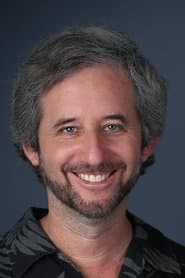
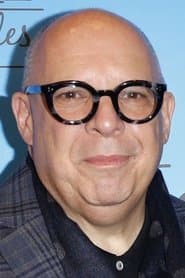
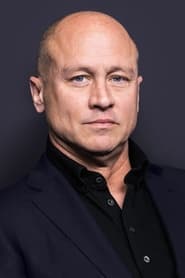
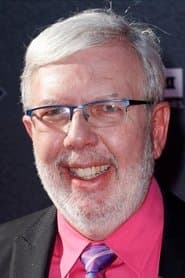
Kevin Dougherty's documentary doesn't just profile Friedman—it constructs a careful, loving argument for why his work matters. The film builds its case through conversations with the people who've watched Friedman's career unfold: fellow cartoonists, comedy legends, cultural observers. Gilbert Gottfried shows up. Patton Oswalt is there. Richard Kind, Mike Judge, and Merrill Markoe all appear on camera to talk about what Friedman's been doing in his studio, why it's so strange and compelling, and how an artist working in relative obscurity became someone The New Yorker wanted on its masthead. What's striking is that Dougherty doesn't treat this like a typical artist bio—he's made something closer to a cultural autopsy, examining why we've collectively decided to forget the people Friedman keeps drawing. The documentary premiered in 2024 and has since circulated through the festival circuit and streaming platforms, finding an audience that's hungry for stories about artistic vision and cultural memory. The film's structure—moving from Friedman's early underground comics days through his evolution toward mainstream publication—gives viewers a real sense of how slowly, stubbornly, this trajectory unfolded. There's no sudden breakthrough moment. Just a man drawing, year after year, until finally someone important noticed.
What Makes Drew Friedman: Vermeer of the Borscht Belt Stand Out
Here's what I keep coming back to about this documentary: it's not really about success. Not in the conventional sense. Friedman's work has always been good—technically brilliant, actually—but for a long time, nobody cared. The documentary captures something most films about artists miss, which is the loneliness of that period, the way you can be excellent at something and still feel invisible. What makes Dougherty's film work is that it takes Friedman's subjects seriously. These aren't punchlines. The old comedians, the forgotten actors, the minor-league showbiz casualties—they're treated with genuine dignity and curiosity. And Friedman's drawings, which we see throughout the film, are extraordinary. The detail is almost obsessive (and it is—Friedman's process is meticulous to the point of self-torture). There's something Vermeer-like about it, as the title suggests: the way he captures light, texture, the specific sagging quality of aging skin. The interviews with Gottfried, Oswalt, and the others add a layer of cultural context—these are people who understand comedy, who understand show business, who can articulate why Friedman's work is doing something important. They're not just praising him; they're explaining what he's actually seeing that the rest of us miss. That's rare in a documentary. Most films about artists either hagiographize them or psychoanalyze them. This one just... watches. And lets us watch too.
Where to Stream Drew Friedman: Vermeer of the Borscht Belt Online
Drew Friedman: Vermeer of the Borscht Belt is available on major OTT streaming services, making it accessible to anyone curious about documentary cinema and art history. You can check the Where to Watch widget at the top of this page for current availability across platforms in your region. Movie OTT tracks streaming rights in real time, so you'll always know where to find this documentary—whether it's on a subscription service you already use or somewhere new. The film's distribution across multiple platforms means there's a good chance you'll find it somewhere convenient. Given the niche appeal of a documentary about a cartoonist, the fact that it's landed on major streaming services suggests there's real audience demand for this kind of cultural deep-dive.
Frequently asked questions
Q: Who directed Drew Friedman: Vermeer of the Borscht Belt?
Kevin Dougherty directed the documentary. He brings a thoughtful, patient approach to profiling Friedman's artistic journey and the cultural landscape that shaped his work.
Q: Is Drew Friedman: Vermeer of the Borscht Belt based on a true story?
Yes—it's a documentary following the real life and career of cartoonist Drew Friedman, tracing his evolution from underground comics to mainstream publication in outlets like The New Yorker.
Q: What comedians and celebrities appear in the documentary?
The film features interviews with Gilbert Gottfried, Patton Oswalt, Richard Kind, Mike Judge, Merrill Markoe, and many others who speak about Friedman's work and influence on comedy and cartooning.
Q: What year was Drew Friedman: Vermeer of the Borscht Belt released?
The documentary premiered in 2024 and has since become available on streaming platforms for wider audiences.
Q: Is the documentary only for people interested in art?
Not necessarily. While it's centered on a cartoonist, the film is really about cultural memory, forgotten people, and why we choose to remember or forget certain lives. Comedy fans, history buffs, and anyone interested in character-driven documentaries will find something here.
Final Thoughts on Drew Friedman: Vermeer of the Borscht Belt
If you're looking for a documentary that respects both its subject and its audience, Drew Friedman: Vermeer of the Borscht Belt delivers. It's a film about an artist who's spent his life honoring people the world has discarded—and in making this documentary, Dougherty does something similar. He honors Friedman's obsession by taking it seriously. The result is a portrait of artistic vision that doesn't need to justify itself. You don't have to be a cartoonist or a comedy historian to feel the weight of what Friedman's been doing all these years. You just have to be willing to look closely at something small and let it tell you something large.