The story of Drowning Love
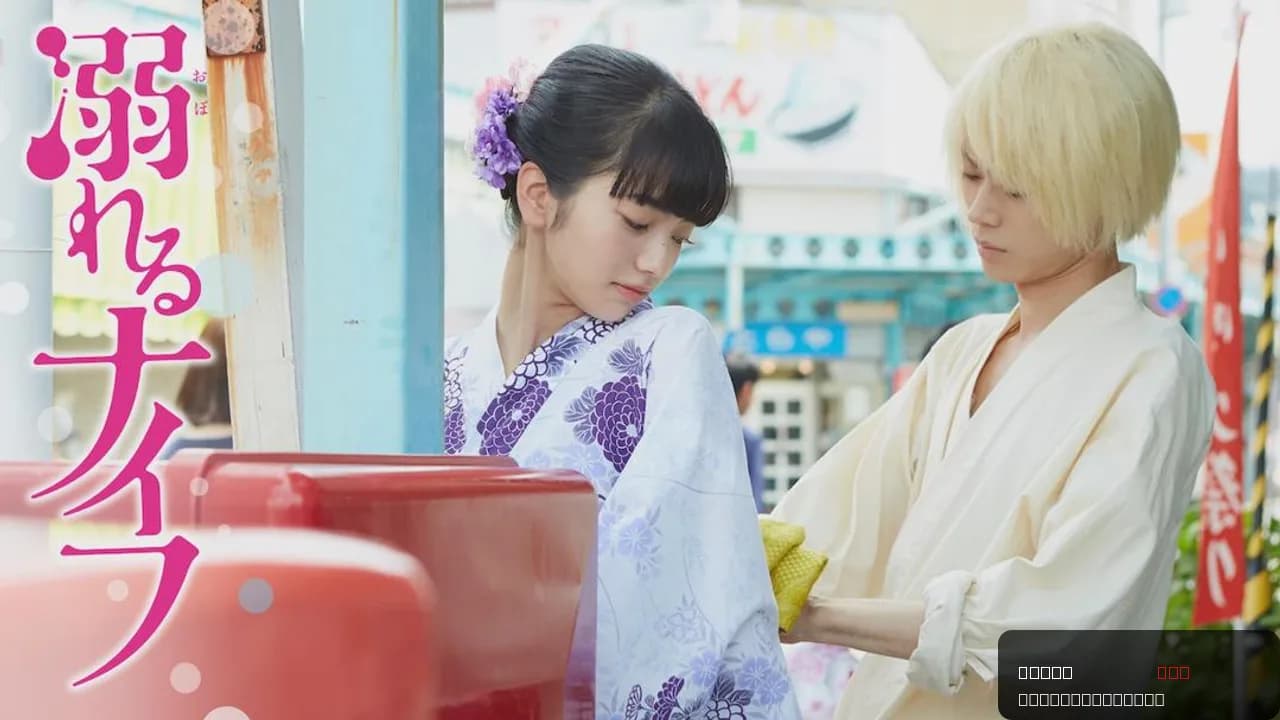
Drowning Love is a 2016 Japanese film that takes the well-worn premise of a city girl relocating to a small town and falling for the local bad boy—and tries to treat it with more emotional weight than most films of its type manage. Director Yuki Yamato adapts George Asakura's manga series for the screen, centering the narrative on two teenagers whose connection unfolds against a backdrop of rural Japan. What could've been a forgettable coming-of-age romance becomes something more complicated: a story that wants to explore how intense young love can be, even when the world around these characters doesn't take it seriously. The film's 111-minute runtime allows space for the relationship to breathe, though not always evenly.
Behind the making of Drowning Love
Drowning Love arrived in Japanese cinemas on November 5, 2016, distributed by Gaga Corporation. The film brought together a cast of young Japanese performers, with Nana Komatsu and Masaki Suda carrying the central romantic arc. Supporting roles went to Daiki Shigeoka, Mone Kamishiraishi, Ryohei Shima, Yoichiro Saito, and Gôichi Mine—a ensemble that, on paper, suggested serious dramatic ambition. Director Yuki Yamato's previous work had shown an interest in visual storytelling and unconventional editing choices, skills that would define much of what Drowning Love attempts. The production itself wasn't a major studio tentpole; it was a mid-budget adaptation aimed at fans of the source material and audiences hungry for teen melodrama. While the film didn't become a breakout box-office hit, it found an audience among viewers interested in how contemporary Japanese cinema handles the manga-to-screen translation, particularly when the source material deals with adolescent romance and emotional intensity.
What makes Drowning Love stand out
Here's what's interesting about Drowning Love: it doesn't try to be subtle. The film leans into the heightened emotional register of its manga origins, using editing rhythms and sound design that feel deliberately artificial—almost like watching someone's internal emotional state made external. When a reviewer on Movie OTT noted that the film normalizes over-the-top drama through directorial choices, they were identifying something real. Nana Komatsu's performance, in particular, carries a specificity that prevents the whole thing from collapsing into pure melodrama. You believe her character's vulnerability and her capacity for reckless devotion. Masaki Suda, playing opposite her, brings a brooding intensity that could've felt one-note in less capable hands—but he finds shades of uncertainty beneath the surface.
The tonal mismatch that some viewers find frustrating—treating a middle-school romance with the gravity of adult tragedy—is actually where the film's ambition lives. It's asking: why shouldn't young love be taken seriously? Why is it automatically diminished because the characters are teenagers? That's a defensible artistic choice, even if it doesn't always land. The thing nobody mentions is how the film's editing and sound actually work to convince you of this perspective. Sudden cuts, overlapping dialogue, a score that swells at moments most films would underplay—these aren't mistakes. They're deliberate choices meant to make you feel the intensity the characters feel.
Where to stream Drowning Love online
Drowning Love is currently available to stream on Prime Video, making it accessible to subscribers looking for international drama. If you're tracking where to watch Drowning Love or other Japanese releases, Movie OTT tracks current streaming availability across multiple platforms, so you can see where titles land and when they move. The film's presence on Prime Video means it's integrated into one of the largest streaming ecosystems globally, though availability may vary by region. The "Where to Watch" widget at the top of this page shows you real-time information about which platforms currently carry Drowning Love in your area.
Frequently asked questions
Q: Is Drowning Love based on a true story?
No. Drowning Love is adapted from George Asakura's manga series of the same name. It's a fictional story, though like many manga-to-film adaptations, it draws on emotional truths about adolescent relationships rather than specific real events.
Q: Who directed Drowning Love?
Yuki Yamato directed the film. Yamato is known for using unconventional editing and sound design to heighten emotional impact, techniques that define much of Drowning Love's distinctive visual and sonic identity.
Q: How long is Drowning Love?
The film runs 111 minutes, giving the narrative room to develop the central relationship and supporting storylines without feeling rushed.
Q: What's the IMDb rating for Drowning Love?
Drowning Love holds a 5.9/10 rating on IMDb, reflecting mixed audience reception. Some viewers appreciate its emotional boldness and performances, while others find the tonal choices and implausible plot points distracting.
Q: Where can I watch Drowning Love?
Drowning Love is currently streaming on Prime Video. Check the "Where to Watch" widget on this page for real-time availability in your region, as streaming rights vary geographically.
Final thoughts on Drowning Love
Drowning Love won't be for everyone. If you're looking for a grounded, realistic portrait of teenage romance, you'll probably find the film's emotional intensity and dramatic choices frustrating. But if you're open to a story that treats young love with the seriousness of adult tragedy—if you can accept that a film's tonal boldness is sometimes exactly the point—there's something worth watching here. The performances anchor it. The directorial choices feel intentional. And honestly, it's refreshing to see a film trust that its audience can handle contradiction: a story that's both melodramatic and emotionally true.