
Drum (2026): A Five-Minute Film That Trusts Silence More Than Most Features Do
Drum is a 2026 experimental short film about indigenous displacement that strips away all on-camera dialogue. The story unfolds entirely through voiceover, sound design, and the visual contrast between a chaotic city and a quiet river. Runtime: five minutes. No conventional plot. No score in the traditional sense. Just — and this matters — genuine formal restraint.
If you're looking for conventional narrative, this isn't it. But if you want cinema that treats indigenous experience with actual seriousness, this belongs on your watchlist.
Why silence is the storytelling device, not the absence of it
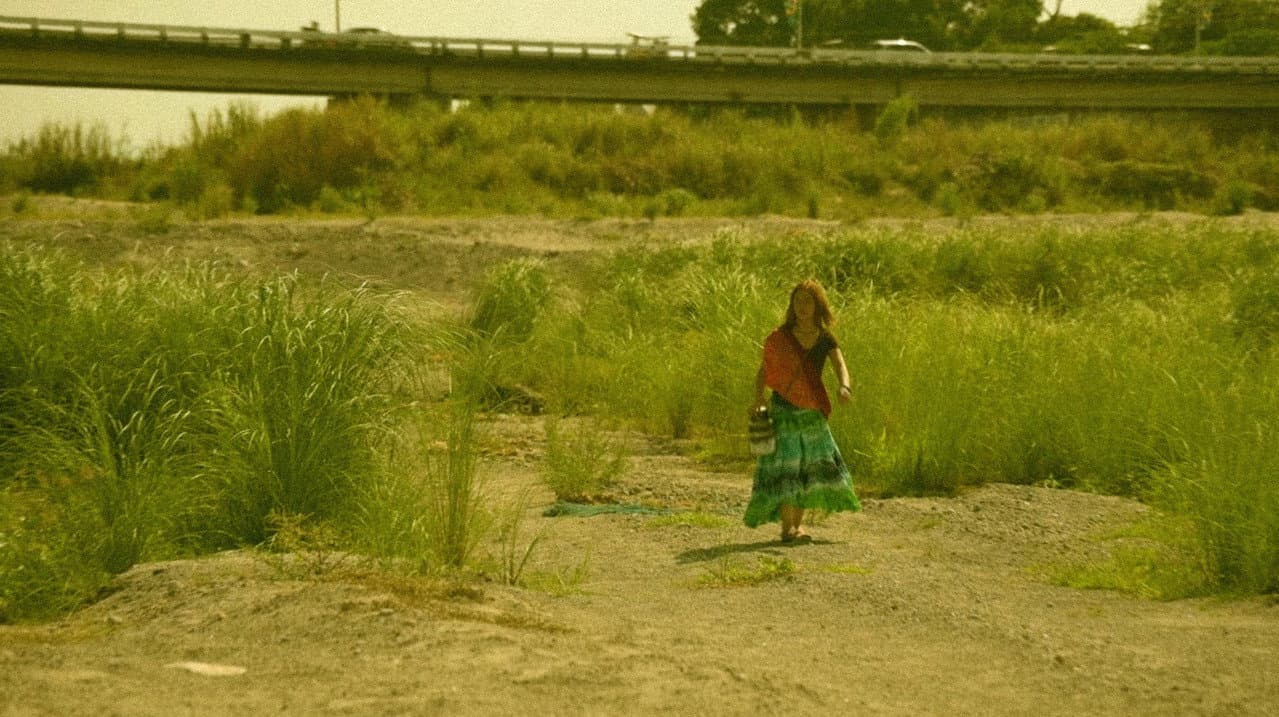
Here's what's immediately unusual about Drum: the filmmaker chose to put Ikil's voice — the central character, an internally displaced indigenous person — entirely outside the frame. You watch the body move through space. You hear the mind narrate from somewhere else entirely. Displacement, rendered formally.
The tagline does the real work: "May the river lead us to the sea that belongs to us." That's not exposition. That's a prayer, and it haunts every five minutes. The voiceover creates distance even as it pulls you into Ikil's grief — which is exactly the point. You're meant to feel the character's separation from the world around them, not just understand it intellectually.
What strikes me is how much the film trusts you to sit with that discomfort. Most short experimental work fills every second. Drum doesn't. The city sequences feel cut tight and abrasive in their sound palette. The river scenes breathe. A real structural choice, not decoration.
The production: T3ES Productions and experimental cinema at five minutes
Drum was produced by T3ES Productions, a company committed to experimental storytelling that shapes every formal decision. At five minutes, the film sits firmly in the tradition of short-form cinema that prioritizes density over duration — think of it less as a truncated feature and more as a poem that happens to move.
Here's the odd part: the film doesn't appear in major English-language trade databases yet, and there's no confirmed director credit publicly attached in widely accessible film registries. Hard to say if the production deliberately kept a low profile, or if the film is simply ahead of its rollout — but the absence of a conventional press trail actually fits the work's ethos. This isn't a film chasing algorithms.
What we do know from the verified production record: everything rests on three pillars: sound design, poetic timing, and the physical grammar of landscape. No MPAA rating on record. No box office figures (it's a short, not a theatrical release). No Rotten Tomatoes entry at publication time. Movie OTT's streaming tracker will update as the film moves through festival circuits and into platform distribution — that's where short experimental work tends to land first, not in multiplexes.
For context: short experimental films about cultural memory typically have a long festival life before streaming platforms pick them up. The absence of mainstream coverage right now signals timing, not obscurity.
Where sound design becomes the entire argument
The voiceover is the only human voice you hear clearly. Everything else is environment — the city pressing in like a crowd that doesn't acknowledge you; the river with its own rhythm. Most five-minute films lean on a twist or a visual spectacle. Drum doesn't do any of that.
I keep thinking about how percussion and rhythm carry cultural memory in ways dialogue can't — and this film seems to operate from exactly that instinct. The poetic timing the production notes reference isn't vague praise. It means the film trusts silence the way a drummer trusts the space between beats. Rare quality. Genuinely hard to pull off at any runtime, let alone five minutes.
The contrast between spaces isn't thematic backdrop. It's structural. It's the argument the film makes about displacement — about belonging to a place and being forced to inhabit another. The river imagery stays with you longer than you'd expect from something this short. Watch it twice if you can. Details emerge on the second pass.
How to watch Drum right now
Drum is available on major OTT services as of 2026. Use the where-to-watch widget at the top of this page for real-time availability across your region — it updates automatically as the film moves between platforms.
For a work this experimental and short, streaming is genuinely the right home. It lets you watch on your own terms, pause, rewind, and sit with the sound design in a way theatrical settings don't allow. Movie OTT tracks current availability across Netflix, Prime Video, and regional platforms, so if Drum shifts or picks up new availability, this page reflects that. Don't rely on a single platform's search bar to find short experimental titles — aggregators exist precisely because these films move around.
FAQ: What you actually want to know
Is Drum a feature or a short? Five minutes, making it a short. That brevity is intentional — the film is designed as a concentrated, experimental piece rather than conventional narrative.
Who is Ikil? The central character — an indigenous internally displaced person whose story drives the film. Ikil's voice is heard only as voiceover narration. Never heard speaking directly on camera. That's one of the film's defining formal choices.
Is it based on true events? Drum isn't confirmed to be based on a specific documented case, but it draws on the real and widespread experience of indigenous internal displacement. The film treats that subject with the weight of lived reality.
Who's behind this? T3ES Productions produced the film. The company's work reflects a commitment to formal innovation — sound design, visual contrast, poetic structure — over conventional narrative mechanics.
Should I watch it? If you track experimental short cinema or want something that takes its subject seriously, yes. If you need conventional story structure and dialogue, skip it. Five minutes, no dialogue, a voiceover that keeps you at arm's length — that's a specific ask. But for viewers who want cinema with genuine formal seriousness, it's worth your time.