



The story of Dumb Money and the GameStop rebellion
Dumb Money tells the almost unbelievable true story of how a group of ordinary people, led by internet influencer Keith Gill, managed to shake the foundations of Wall Street by investing in GameStop—a company that, frankly, everyone expected to fail. The 2023 film, directed by Craig Gillespie, captures the chaotic energy of January 2021, when retail investors coordinated online to buy stock in the struggling video game retailer, turning it into the world's hottest company and forcing major hedge funds to lose billions. What starts as an underdog play becomes something far bigger: a cultural moment that exposed the raw frustration of a generation locked out of traditional wealth-building, armed with nothing but smartphones and subreddits.
The narrative doesn't pretend to make the mechanics of short squeezes simple—honestly, the film struggles with this too, as some viewers have noted—but it doesn't need to. What matters is the human story underneath: the belief that the game is rigged, and the determination to prove it.
Behind the making of Dumb Money
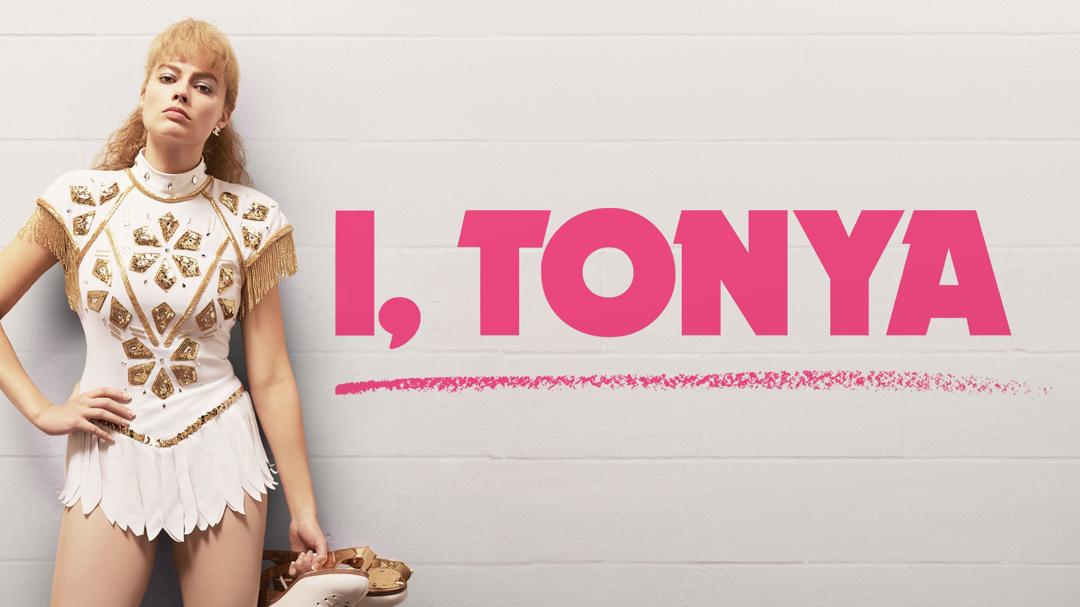
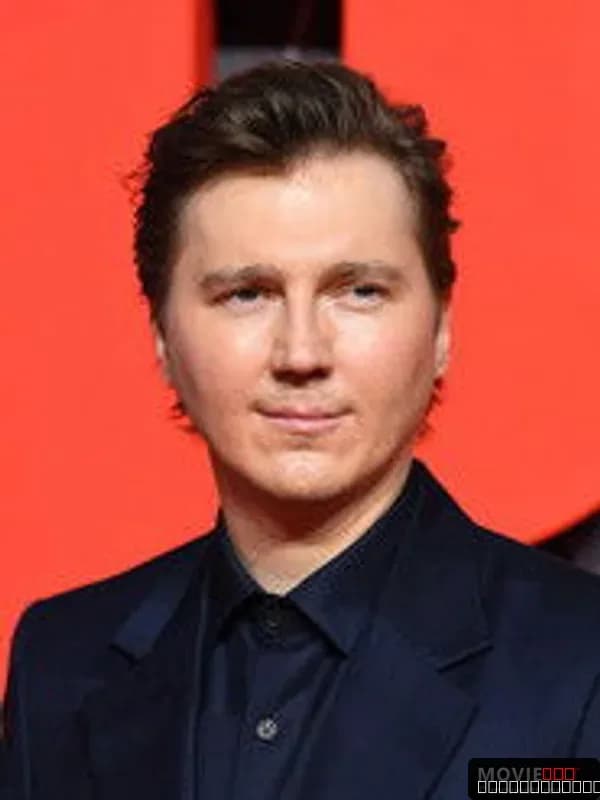
Craig Gillespie, the director behind I, Tonya and Cruella, brought his signature blend of dark humor and emotional grounding to Dumb Money, adapting the screenplay from Ben Mezrich's 2021 book The Antisocial Network. Lauren Schuker Blum and Rebecca Angelo penned the script, translating a real-time financial event into a character-driven ensemble piece. The cast is genuinely stacked: Paul Dano carries the film as Keith Gill, the quiet Wisconsin accountant who became a meme legend under the handle Roaring Kitty, while Shailene Woodley, America Ferrera, Pete Davidson, Seth Rogen, Vincent D'Onofrio, Nick Offerman, Anthony Ramos, and Sebastian Stan round out an impressive supporting cast that brings texture to the various perspectives on the squeeze.
The film landed on Max following its theatrical release, making it accessible to a broader audience than many financial dramas manage. With a runtime of 104 minutes, it's briskly paced—never dwelling too long on the confusing bits, always cutting back to the human stakes. The ensemble approach means no single actor dominates; instead, Gillespie weaves between Gill's livestreamed trading sessions, hedge fund panic, and the everyday people who saw this as their moment. It's a smart structural choice for a story where the real protagonist isn't one person but an idea.
What makes Dumb Money stand out from typical financial dramas
What's striking about Dumb Money is how it refuses to be a simple morality play. You might expect a film about taking down Wall Street to be a straightforward hero narrative, but Gillespie's approach is messier—and better—than that. Paul Dano's performance as Keith Gill is deliberately understated. He's not a charismatic firebrand. He's a guy in a basement who posts videos about stocks and suddenly becomes a folk hero. That disconnect between his quiet demeanor and the chaos erupting around him creates genuine dramatic tension.
The film also captures something real about the appeal of the GameStop story that transcends finance. It's about people who felt powerless, who watched the 2008 financial crisis unfold with no consequences for the wealthy, and who saw an opportunity to flip the script—even if just for a moment. Some critics found the overall tone too feel-good, glossing over the fact that retail investors also lost money when the bubble burst, and that the narrative doesn't grapple with what came next (the rise of crypto speculation among the same crowd, for instance). That's fair. But what the film does capture—the energy, the camaraderie, the genuine belief that they'd discovered something the system didn't want them to know—that's where it earns its place in the conversation.
America Ferrera and Shailene Woodley bring grounded humanity to their roles, serving as windows into how the GameStop phenomenon touched ordinary lives. The ensemble cast approach means the film isn't just about Gill's journey; it's about the collective moment. That's both the film's strength and, for some viewers, its limitation—there's a lot of ground to cover, and not every character gets the depth they might deserve.
Where to stream Dumb Money online
Dumb Money is currently available to stream on Max, making it easy to catch up on the GameStop saga from your couch. If you're tracking where new releases land, Movie OTT keeps tabs on which platforms have which titles, so you can find the right service without hunting around. The film's 104-minute runtime makes it a solid evening watch—short enough not to feel like a commitment, long enough to actually develop its ensemble cast and the wild events of January 2021. Check the Where to Watch widget at the top of this page to confirm current availability in your region.
Frequently asked questions
Q: Is Dumb Money based on a true story?
Yes. The film is based on Ben Mezrich's 2021 book The Antisocial Network and chronicles the real GameStop short squeeze that happened in January 2021, when retail investors coordinated online to drive up the stock price.
Q: Who directed Dumb Money?
Craig Gillespie directed the film. He's known for his work on I, Tonya and Cruella, and brings a similar blend of dark humor and character depth to this financial drama.
Q: What's the runtime of Dumb Money?
The film runs 104 minutes, making it a relatively brisk watch for an ensemble drama with a complex financial backdrop.
Q: Who plays Keith Gill in Dumb Money?
Paul Dano plays Keith Gill, the real-life investor and internet personality known as Roaring Kitty who became central to the GameStop phenomenon.
Q: Does Dumb Money explain how short squeezes work?
The film doesn't go deep into financial mechanics—and honestly, it doesn't need to. It focuses more on the human story and the cultural moment than on technical explanations, though viewers looking for a finance tutorial might find themselves a bit lost.
Final thoughts on Dumb Money
Dumb Money isn't a perfect film. It sometimes glosses over complexity, and it can't quite capture the full absurdity of what happened in real time. But it's a genuinely entertaining ensemble piece that gets at something true about a cultural moment when ordinary people felt they'd cracked the code. If you're interested in recent financial history, character-driven dramas, or just want to watch a stacked cast have fun with a wild true story, it's worth your time on Max. The film won't make you a day trader, but it might make you understand why so many people wanted to be.