The story of Earth: confinement and the cost of survival
Earth isn't a film about the planet we know—it's a film about what happens when the world outside becomes uninhabitable. Set in a dystopian future where toxic red air has made the atmosphere lethal, the story follows a couple locked inside their shelter, watching their world die through sealed windows. The premise is deceptively simple: two people, one room, one slowly deteriorating situation. But what unfolds is something far more psychologically complex, a chamber piece that trades spectacle for intimacy and asks uncomfortable questions about survival, sacrifice, and what we owe to each other when hope starts to feel like a luxury neither can afford.
The film's central tension isn't about fighting the external threat—it's internal. As the couple's confinement stretches on, they begin to diverge. One partner seems to be withering under the pressure, while the other finds something almost like purpose or renewal in their shared predicament. It's a portrait of how crisis doesn't affect people equally, how the same circumstances can break one person and inadvertently strengthen another. That asymmetry, that fundamental unfairness baked into survival itself, is where Earth finds its emotional weight.
Behind the making of Earth: production and creative vision
Earth arrives in 2025 as a compact but ambitious short film, clocking in at just 17 minutes—a runtime that forces every frame, every line of dialogue, every visual choice to earn its place. The brevity is deliberate. There's no room for padding, no space to hide weak character work or muddled themes. In that constraint lies the film's strength; the filmmakers clearly understood that sometimes the most powerful stories aren't the longest ones.
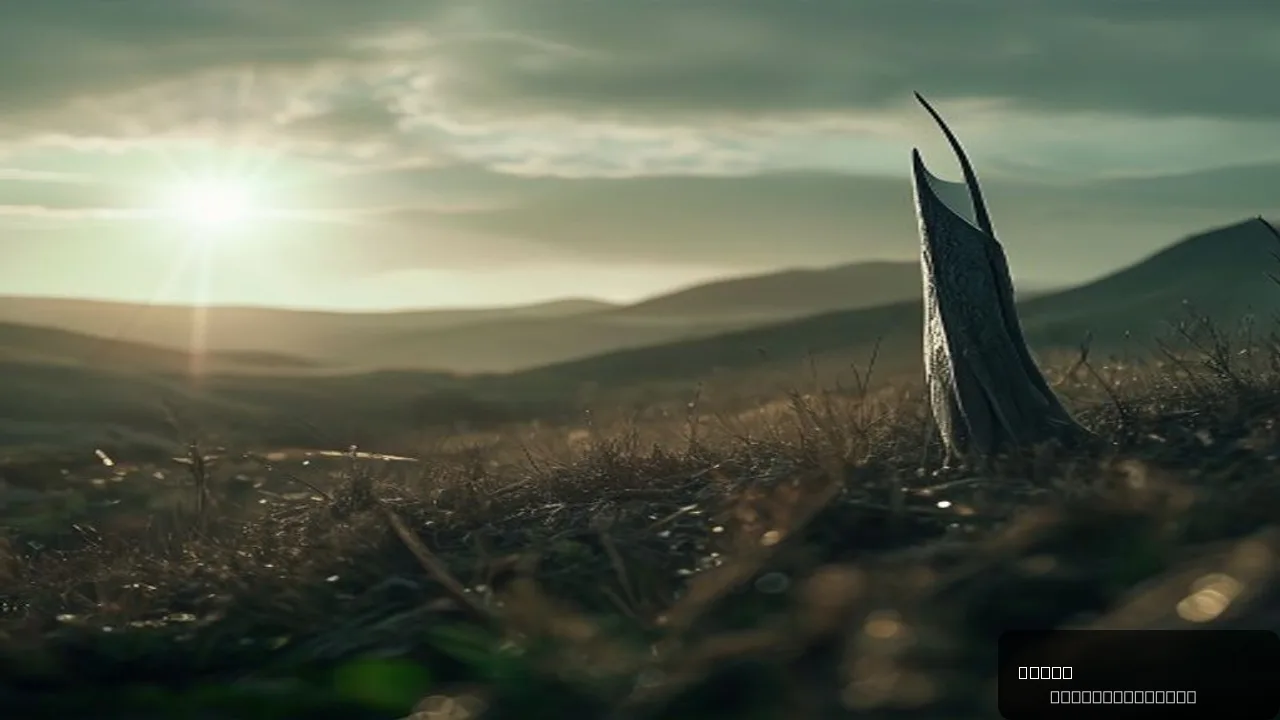
The production design deserves particular attention here. The toxic red air isn't just a plot device—it's a visual language. The color dominates the frame whenever we see the outside world, a sickly, almost organic presence pressing against the couple's sanctuary. It's the kind of detail that suggests a director thinking carefully about how dystopia actually looks, how it feels. The confined space where most of the film takes place becomes a character itself: walls that seem to close in, windows that frame an increasingly hostile landscape, the slow accumulation of things that mark a life interrupted.
While Earth hasn't generated the kind of mainstream box-office buzz that comes with wide theatrical releases—it's a short film, after all—it's found its audience through the festival circuit and streaming platforms. For those seeking out challenging, thematically rich science fiction that doesn't rely on explosions or franchise recognition, this is exactly the kind of discovery Movie OTT exists to surface. The site tracks where these kinds of boundary-pushing films end up, making it easier to find work that might otherwise disappear into the noise.
What makes Earth stand out: theme and execution
Look—what's striking about Earth is how it refuses easy answers. This isn't a film about heroes triumphing over adversity or couples learning to love each other through hardship. Instead, it's messier than that. It's about two people responding to the same impossible situation in fundamentally different ways, and neither response is necessarily wrong. That ambiguity, that willingness to sit with contradiction, is rare in science fiction, which tends to favor clear narrative arcs and resolved conflicts.
The performances anchor everything. Without knowing the cast's pedigree or prior credits (and honestly, it doesn't matter much—what matters is what's on screen), the two leads manage to convey years of accumulated tension, resentment, and love in a 17-minute runtime. There's a scene early on where one character moves to adjust something in their shared space, and the other flinches—not dramatically, just a small, almost reflexive movement. That's the kind of character work that tells you everything about their relationship without a word of exposition. It's economical filmmaking, the kind where every gesture counts.
The film also doesn't shy away from the physical reality of their situation. There's a deterioration happening, both to their environment and to themselves. Watching it unfold—and I don't want to spoil specifics—you start to understand why one character might be withering while the other seems to find purpose in their confinement. Despair and hope aren't opposites here; they're two different ways of coping with the same unbearable reality. The film trusts its audience to sit with that complexity, which is both its greatest strength and probably why it won't appeal to everyone.
Where to stream Earth online
Earth is currently available on major OTT services. The exact platform will depend on your region and subscription status—that's where the "Where to Watch" widget at the top of this page comes in handy. Movie OTT tracks current streaming availability across multiple platforms, so you can see exactly where Earth is streaming right now without wasting time searching.
Because it's a short film rather than a feature, you can fit it into an evening without the time commitment of a full-length movie. That's part of what makes shorts so valuable in the streaming era: they're perfect for that moment when you want something substantial but don't have two hours to spare. If you're a science-fiction fan or someone who appreciates character-driven storytelling over plot mechanics, it's worth seeking out.
Frequently asked questions
Q: What's the runtime of Earth?
Earth runs just 17 minutes, making it a compact but fully realized short film rather than a feature-length production. That brevity works in its favor, ensuring every moment carries weight.
Q: Is Earth based on a true story?
No, Earth is an original science-fiction story set in a dystopian future with toxic air. It's a speculative work exploring themes of confinement, hope, and despair rather than an adaptation or true-story drama.
Q: Where can I watch Earth?
Earth is available on major OTT streaming services. Check the "Where to Watch" widget at the top of this page for current availability in your region.
Q: What's the IMDb rating for Earth?
Earth currently has an IMDb rating of 0/10, which typically indicates insufficient ratings data rather than poor reception. As a 2025 short film, it's still building its audience and review base.
Q: Is Earth appropriate for all audiences?
The film deals with themes of despair, confinement, and relationship strain in a dystopian setting. While there's no graphic violence, the emotional weight and existential dread might not suit younger viewers or those seeking lighter fare.
Final thoughts on Earth
Earth isn't going to be for everyone—it's deliberately unsettling, thematically ambiguous, and ends in a way that'll probably stick with you longer than you'd like. But that's exactly why it matters. In a streaming landscape flooded with content designed to be consumed and forgotten, here's a 17-minute film that demands something from you: attention, patience, willingness to sit with discomfort. It won't give you the reassurance that everything works out. What it will give you is a portrait of two people at the absolute end of their rope, and the terrifying truth that even in crisis—maybe especially in crisis—we don't always pull in the same direction. That's worth watching for.