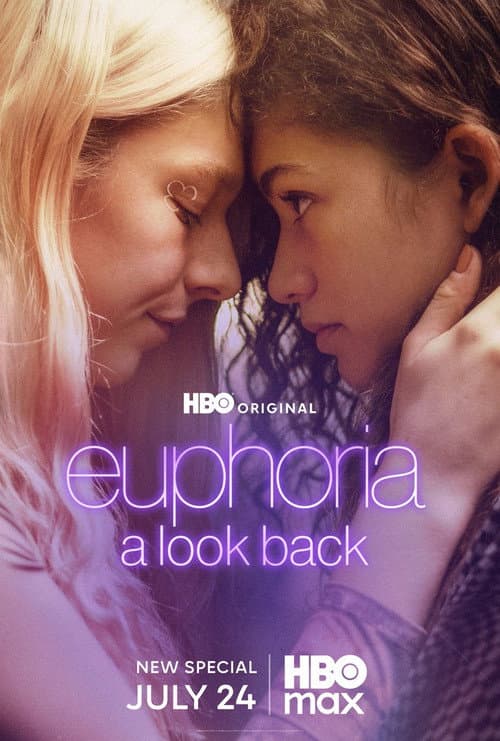



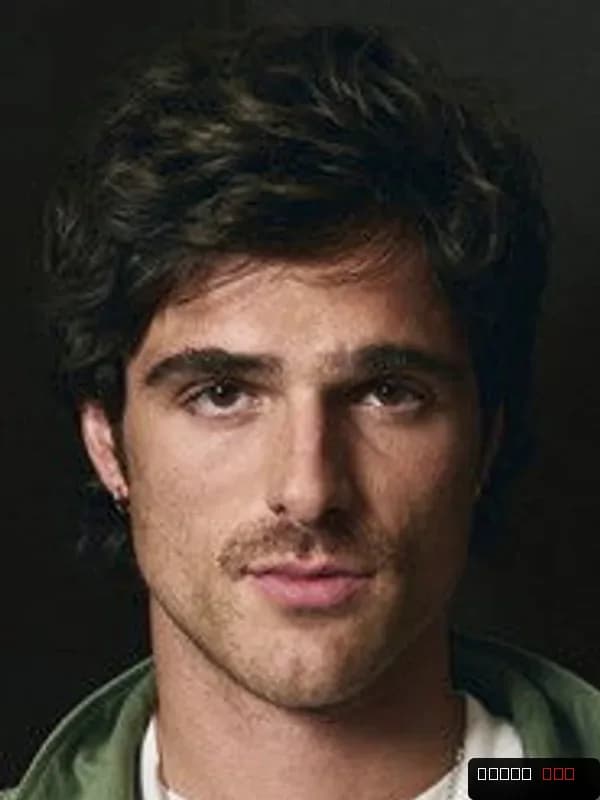




Euphoria: A Look Back
HBO's 2026 documentary reunites the cast and crew behind one of television's most divisive hits to examine how it was made, why it landed the way it did, and what shaped its visual language across four seasons. If you followed Euphoria obsessively — or abandoned it halfway through — this retrospective offers something the show itself never could: the actual reasoning behind the controversial choices.
What actually happens in this documentary
Euphoria: A Look Back isn't a clip-reel cash grab. It's a structured dive into origins and creative evolution, with creator Sam Levinson, star Zendaya (who won Outstanding Lead Actress in a Drama in both 2020 and 2022, making her the youngest two-time winner ever), and the ensemble cast reflecting on how the show transformed from a 2019 HBO premiere into prestige-TV history.
The documentary traces where Euphoria's visual obsessions came from — particularly from Levinson's adaptation of the Israeli series of the same name — and how pandemic-era constraints shaped the two special episodes ("Trouble Don't Last Always" and "F*ck Anyone Who's Not a Sea Blob") into some of the series' most stripped-down, raw work. Those episodes aren't filler. They're where the show accidentally discovered something it'd been searching for: genuine intimacy. Seeing the crew discuss how limitations forced that breakthrough is worth watching for alone.
What strikes me most is the documentary's willingness to sit with the show's contradictions. Euphoria was never universally loved — critics praised Zendaya's performance and the visual audacity while questioning whether its portrayal of teenage substance abuse felt illuminating or exploitative. That tension doesn't vanish in a retrospective; if anything, it becomes the most interesting thing to examine.
The cast, the controversy, the craft
Zendaya, Jacob Elordi, Sydney Sweeney, Hunter Schafer, and Alexa Demie all appear. Hard to say if every participant is equally candid — documentaries like this always involve institutional goodwill — but the access level seems genuine. The thing nobody mentions about Euphoria is how deliberately it used sound. Labrinth's original compositions and those needle drops weren't afterthoughts. They were structural. If this documentary treats the sonic architecture with the seriousness it deserves, that alone elevates the whole project.
The show's reputation is complicated enough to warrant honest examination. It changed significantly between seasons one and two — not just in tone, but in how it wrestled with its own themes. That evolution matters. Most TV retrospectives flatten that arc into a single narrative. This one doesn't seem to.
Where to watch and what you need to know first
Euphoria: A Look Back premiered in 2026 on HBO, which means it's available wherever you already stream HBO content (Max, HBO Max, or your cable provider's on-demand service). Movie OTT's where-to-watch tracker has the full breakdown by region and platform — check there if you're not sure which service has it in your area.
Here's the honest thing: don't start here. You'll be lost. Watch at least the first season of Euphoria before diving into the retrospective. The documentary assumes you know who Rue is, why Nate's toxicity matters, and what the Cassie-Maddy dynamic cost. Once you've got that context, the behind-the-scenes insights land differently.
If you liked Euphoria's visual ambition and willingness to make uncomfortable art, you'll probably connect with something like Fleabag or Chernobyl — shows that prioritize craft and thematic depth over comfort. But Euphoria: A Look Back specifically? It's for people who actually watched the original series, not newcomers.
The critical consensus so far
According to Variety, the production involved extensive archival access to behind-the-scenes footage spanning the entire run — which explains why this doesn't feel like a promotional package. The retrospective arrived at a moment when Euphoria's cultural footprint is already cemented. Multiple Emmy wins. A devoted fanbase. Years of think-pieces about what the show was trying to do. The documentary had an obligation to say something new rather than just flattering the original.
Early critical response — tracked by Movie OTT as reviews emerge — suggests this is a cut above the standard EPK-style retrospective. That's not guaranteed with making-of documentaries. Most feel obligatory. This one doesn't.
Should you actually watch it?
Yes. Especially if you've been away from the show for a while. The documentary works as both a recap for lapsed viewers and a deep-dive for people who caught every frame. Stream it, then go back and rewatch the pilot. You'll catch things you missed the first time — not because they're hidden, but because now you'll understand what Levinson was reaching for. That context changes everything.
The documentary's available now on major streaming platforms. Check Movie OTT for your specific region's availability if you're not sure where to find it, then queue up the original series first. Give yourself the weekend.