The Story of Eva: Obsession in the Venetian Underworld
Eva opens with a deceptively simple premise that unravels into something far more psychologically complex. Tyvian Jones — a Welsh novelist and international bestselling author — arrives in Venice expecting a life of leisure and cultural refinement. He's got it all: money, fame, a respectable fiancée named Francesca waiting in the wings. Then he meets Eva Olivier. She's sultry, mysterious, and utterly indifferent to his charms. That indifference becomes the hook. What follows isn't a love story but a descent — a man's slow-motion crash into obsession with a woman who sees him as little more than a wallet with legs. The film doesn't shy away from the ugliness of that dynamic. It's the kind of movie that makes you uncomfortable, which is precisely the point.
Behind the Making of Eva: Losey, Moreau, and Literary Adaptation
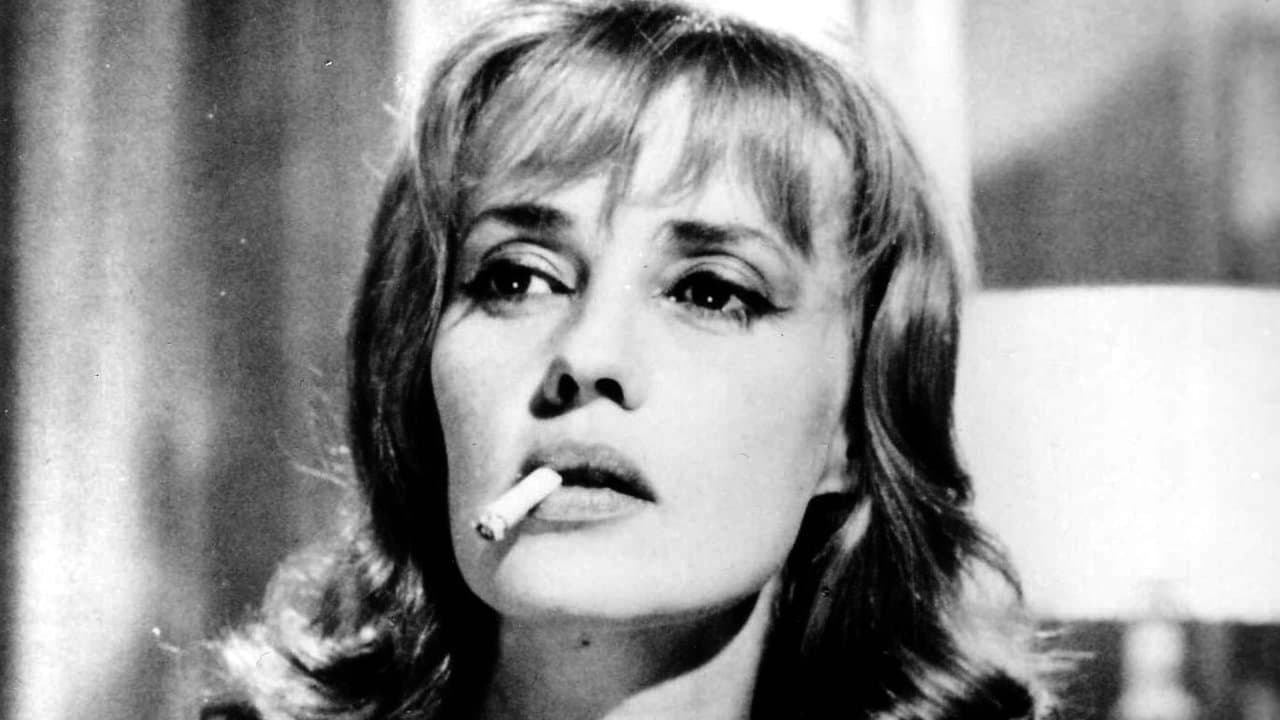
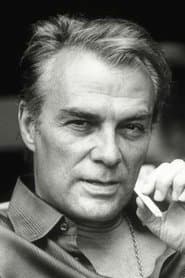
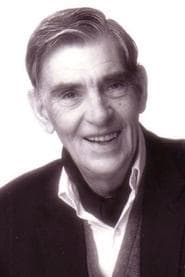
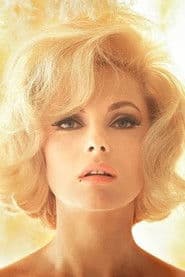
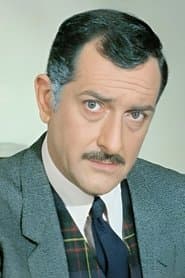
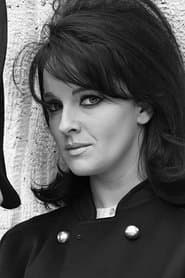
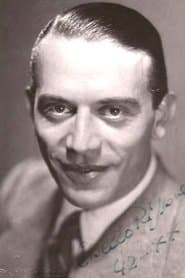
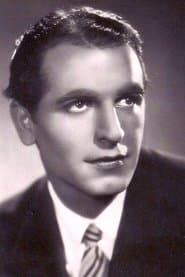
Eva arrived in 1962 as a collaboration between some genuinely interesting talents. Director Joseph Losey — an American filmmaker working in European exile — adapted James Hadley Chase's 1945 novel Eve, with Hugo Butler and Evan Jones handling the screenplay. The cast reads like a who's who of mid-century European cinema: Stanley Baker (a Welsh actor best known for gritty, unglamorous roles) anchors the film as the obsessed novelist, while Jeanne Moreau — fresh off her success in François Truffaut's The 400 Blows — plays Eva with a cool, almost reptilian intelligence. Virna Lisi and Giorgio Albertazzi round out the ensemble. The production itself was a European affair, shot across Paris-Film Production and Interopa Film, with Venice serving as both setting and character. Runtime clocks in at 100 minutes, lean and taut. The film carries an IMDb rating of 5.9/10, which tells you something about how audiences have treated it over the decades — it's divisive, not universally beloved, but that's often the mark of something with actual teeth.
What Makes Eva Stand Out: Performance and Psychological Tension
What's striking about Eva is how little it cares about making anyone likeable. Baker's Tyvian isn't a romantic hero — he's a rough man from the Welsh mining world, culturally adrift in Venice's glittering salons, and that dislocation matters. He's a fish out of water, and Eva exploits that vulnerability with surgical precision. Moreau, meanwhile, doesn't play Eva as a victim or a femme fatale in the traditional sense. She's something more modern and unsettling: a woman who understands her own market value and refuses to pretend otherwise. The dynamic between them crackles with genuine tension because neither character wants what the other is offering. Tyvian wants romance; Eva wants money. Tyvian wants to possess her; Eva wants to be left alone. That fundamental incompatibility — that refusal to meet in the middle — is what drives the film forward. It's not a love triangle so much as a collision between two incompatible worldviews, and the wreckage is fascinating to watch. What the film does best is capture how obsession blinds you. Tyvian can't see Eva for who she actually is; he's too busy projecting his own fantasies onto her. By the time he realizes what's happened, it's too late.
Where to Stream Eva Online
Eva is available across major OTT services, and Movie OTT tracks current availability so you don't have to hunt across multiple platforms. Since streaming rights shift regularly, checking the Where to Watch widget at the top of this page will show you exactly which services are carrying it right now in your region. If you're a fan of psychological dramas or European cinema from the early 1960s, it's worth hunting down — the film rewards patient viewing, especially if you're willing to sit with its moral ambiguity and refusal to provide easy answers.
Frequently asked questions
Q: Who directed Eva and what's his background?
Joseph Losey directed Eva in 1962. He was an American filmmaker working in European exile, known for his psychological dramas and political edge. This film sits squarely in his wheelhouse — morally complex, visually sophisticated, and deeply skeptical of human motivation.
Q: Is Eva based on a true story?
No, Eva is adapted from James Hadley Chase's 1945 novel Eve. Chase was a prolific crime and thriller novelist, so the source material already had that hard-boiled sensibility that Losey brought to the screen.
Q: What's the age rating for Eva?
Eva carries no specific MPAA rating (it predates the modern rating system), but it deals with adult themes including seduction, manipulation, and infidelity. It's not a film for young viewers — it's made for adults who can handle moral ambiguity.
Q: How long is Eva?
The film runs 100 minutes, making it a lean, tightly constructed psychological thriller that doesn't waste time on subplot padding.
Q: Where was Eva filmed?
The film is set in Venice, Italy, and that Venetian setting is crucial to its atmosphere. The contrast between the city's romantic reputation and the film's cynical, transactional view of human relationships creates constant ironic tension.
Final Thoughts on Eva: A Film for the Morally Curious
Eva isn't a film that's going to make you feel good about human nature. It won't give you a tidy ending or a redemptive arc. What it will do is sit with you — that queasy feeling of watching someone destroy themselves in real time, unable to stop, won't leave you easily. If you're drawn to psychological dramas that refuse easy answers, to films where the camera holds steady while people hurt each other, Eva deserves your attention. It's the kind of mid-century European cinema that rewards revisiting, especially now, when we're more attuned to the power dynamics Losey was exploring all along.