





The Story of Everest: Ambition Meets the Mountain
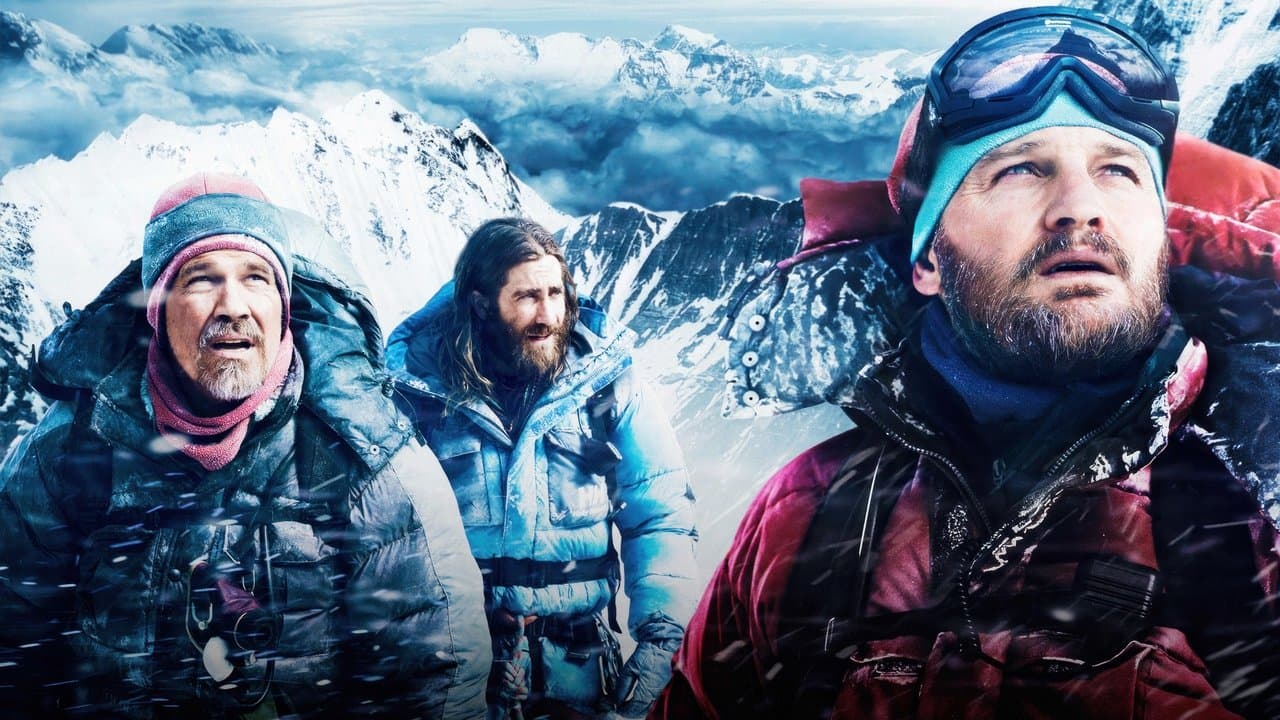
Everest tells the story of two separate expedition teams attempting to summit the world's highest mountain in the spring of 1996—a season that would become one of mountaineering's darkest chapters. Director Baltasar Kormákur's 2015 film doesn't treat the climb as a heroic conquest. Instead, it captures the obsessive pull that draws climbers to risk everything on a frozen peak 29,032 feet above sea level. The narrative follows Rob Hall and Scott Fischer, two experienced guides leading their respective teams toward the summit, only to find themselves and their climbers trapped by a catastrophic snowstorm that tests every ounce of their skill, courage, and will to survive. It's a story about what happens when Mother Nature—indifferent and merciless—decides the mountain won't be conquered today.
Behind the Making of Everest: Production, Cast, and Critical Recognition
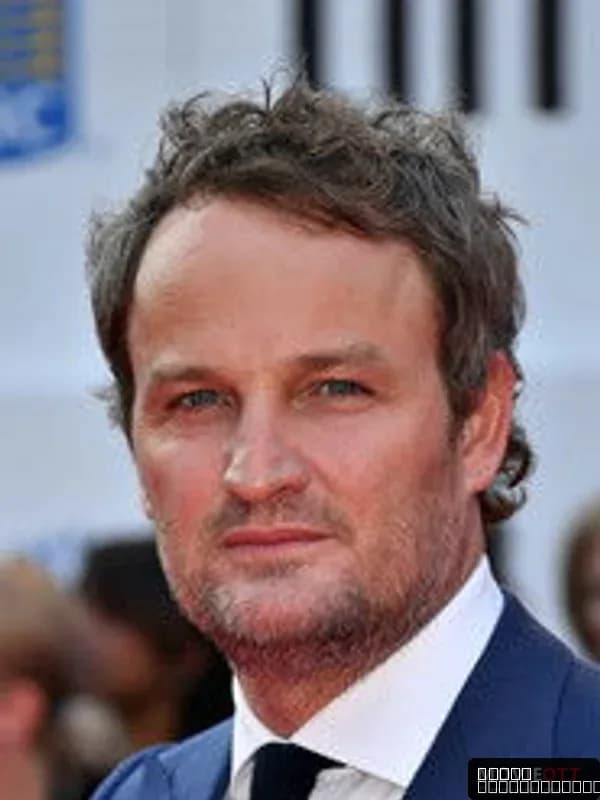
Everest was produced by an impressive lineup of studios including Universal Pictures, Working Title Films, Walden Media, and Cross Creek Pictures, with Kormákur directing and producing. The ensemble cast reads like a who's who of contemporary cinema: Jason Clarke anchors the film as Rob Hall, while Jake Gyllenhaal plays Scott Fischer. Josh Brolin, John Hawkes, Robin Wright, Sam Worthington, Keira Knightley, Martin Henderson, and Emily Watson round out the climbers and their loved ones waiting below. The production was dedicated to the memory of British actress Natasha Richardson, adding a layer of personal gravity to the project. The film runs 121 minutes and carries a PG-13 rating, making it accessible to a broad audience despite its serious subject matter. Variety reported that the film drew significant attention during its theatrical run, and while it didn't become a massive box-office phenomenon, it earned respect from critics and audiences who appreciated its unflinching approach to the material—no unnecessary heroics, no melodrama, just the raw confrontation between human determination and natural forces that can't be negotiated with.
What Makes Everest Stand Out: The Performances and Craft
What's striking about Everest is how it resists the temptation to turn the disaster into a conventional action thriller. The film doesn't give you a villain to boo or a clear hero to root for—it gives you people. Clarke's Rob Hall is competent, measured, haunted by the weight of responsibility for his team. Gyllenhaal's Scott Fischer carries a different kind of burden: the pressure to succeed in a commercial expedition where clients have paid enormous sums and expect results. The tension isn't manufactured through jump cuts and swelling orchestral stabs; it comes from the quiet recognition that these men are operating in a realm where expertise and experience offer no guarantees. One scene that lingers is when a climber reaches the summit only to realize that getting to the top is the easy part—descending into the gathering storm is where survival becomes the only goal that matters. Audience reviewers have noted that Kormákur's approach feels grounded and realistic, avoiding the overwrought stunt sequences that plague lesser adventure films. The cinematography captures the alien beauty of the mountain—vast, indifferent, gorgeous—while the sound design lets silence become as powerful as any crescendo. The performances anchor everything; without Clarke and Gyllenhaal's quiet intensity, the film would collapse into spectacle.
Where to Stream Everest Online
Everest is available across major OTT streaming services, and you can check the "Where to Watch" widget at the top of this page to see which platforms currently carry it in your region. Movie OTT tracks streaming availability in real time, so you'll always know exactly where to find this film and dozens of others like it. Since licensing agreements shift regularly, it's worth checking our platform tracker before you settle in to watch—that way you won't spend ten minutes hunting for it only to discover you need a different subscription. The 121-minute runtime makes it a solid evening commitment, and it's the kind of film that benefits from an uninterrupted viewing.
Frequently asked questions
Q: Is Everest based on a true story?
Yes. The film is directly inspired by the 1996 Mount Everest disaster in which eight climbers died during a single day on the mountain. Kormákur and screenwriters William Nicholson and Simon Beaufoy adapted the events to create a narrative that focuses on the survival attempts of two expedition groups, one led by the real Rob Hall and the other by Scott Fischer.
Q: Who directed Everest?
Baltasar Kormákur both directed and produced Everest. Kormákur is known for his work across film and television, and he brought a documentary-like sensibility to this survival drama, prioritizing authenticity over conventional action-movie theatrics.
Q: What's the runtime and rating of Everest?
Everest runs 121 minutes and is rated PG-13, making it suitable for most audiences while maintaining the gravity of its subject matter.
Q: Who stars in Everest?
The ensemble cast includes Jason Clarke as Rob Hall, Jake Gyllenhaal as Scott Fischer, Josh Brolin, John Hawkes, Robin Wright, Sam Worthington, Keira Knightley, Martin Henderson, and Emily Watson. Each actor brings depth to their role, whether as a climber or as someone waiting and worrying at base camp.
Q: Does Everest have a happy ending?
Without spoiling specifics, the film is grounded in historical fact. The 1996 disaster was tragic, and Kormákur doesn't soften that reality. The focus shifts from "will they summit?" to "will they survive?"—a more honest question when you're caught in a blizzard at 26,000 feet.
Final Thoughts on Everest: Who Should Watch
Everest isn't a film for everyone—it's deliberately paced, emotionally heavy, and doesn't offer easy catharsis. But if you're drawn to stories about human endurance, if you're curious about what drives people to attempt the seemingly impossible, or if you simply appreciate filmmaking that respects its audience's intelligence, this one's worth your time. It's a film about obsession, sacrifice, and the humbling recognition that some mountains can't be conquered—only survived. The mountain always wins in the end. What matters is how we face that truth.