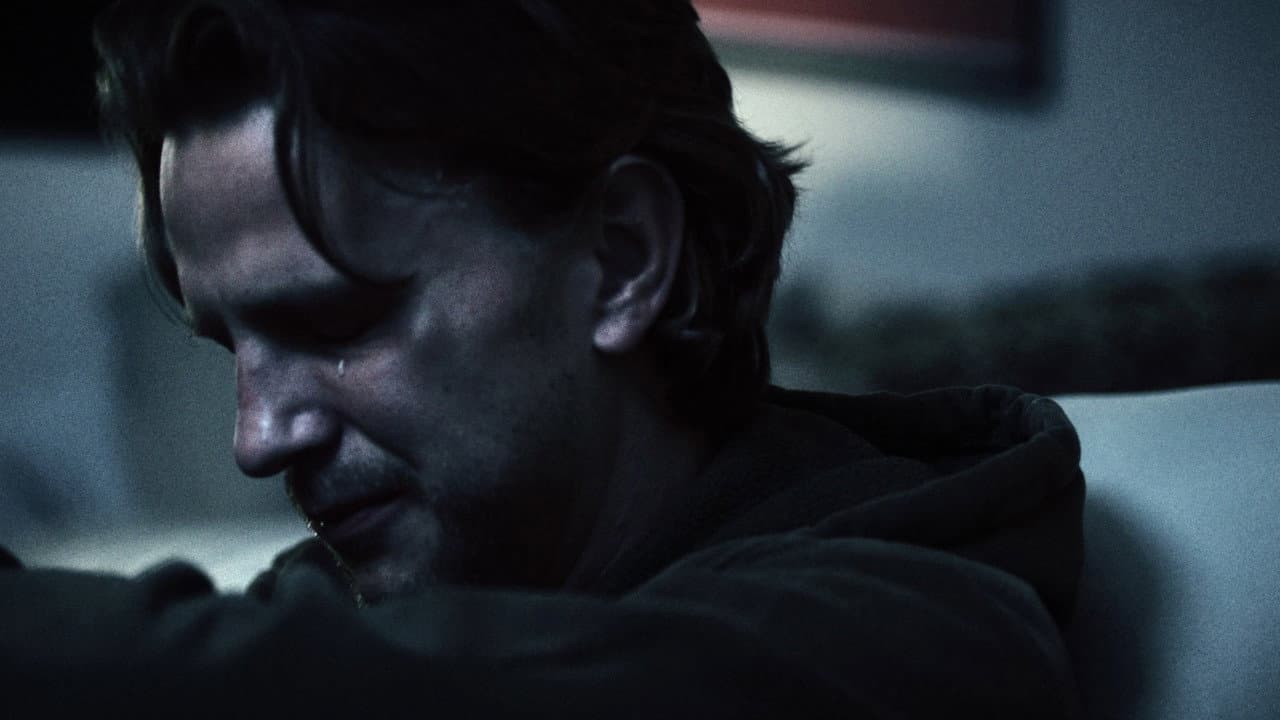
Everyone Was There
A seven-minute film about what happens when depression sits in a room full of people trying to help — and nobody notices.
The premise: Depression in a room full of witnesses
Everyone Was There is a 2026 short drama directed by Fritz Frauendorf. The entire film unfolds inside a single group therapy session, and that constraint isn't a limitation — it's the whole point. One man sits among the group, technically present, genuinely elsewhere. His silence carries more weight than anything anyone else says out loud.
The film's tagline — "I Can Focus. I Will Succeed." — lands differently once you've watched it. Those are the affirmations people repeat when they're barely holding on, the self-talk that sounds like progress but might actually be a shield against asking for help. In just seven minutes, Frauendorf builds a portrait of depression that doesn't announce itself with dramatic breakdowns. It just sits there, in a plastic chair, not quite meeting anyone's eyes.
What's striking is how the film resists the usual beats of the mental-health drama. There's no intervention scene, no cathartic confession, no moment where the group rallies around him and everything shifts. That's probably the right call — therapy-session narratives that wrap themselves in a bow tend to feel dishonest.
Why the seven-minute format works here
Short films live or die on compression. Seven minutes is closer to a short story than a feature, and the best ones function the same way: a single image, a single silence, a single moment of almost-connection that doesn't quite happen.
The therapy setting does a lot of work. It's a space explicitly designed for people to be seen and heard — which makes the central character's invisibility within it so precise as a dramatic choice. Everyone is there. That's the irony baked into the title, and it doesn't resolve neatly. The film knows that's the honest move.
If you've watched any recent short drama on Movie OTT, you'll notice the best ones tend to trust their audiences this way — no explanation, no neat resolution, just a moment of recognition that lingers after the credits roll.
Where to watch and how to find it
Everyone Was There is currently available on major OTT services. The where-to-watch widget above shows the full platform breakdown, and it updates as availability shifts (streaming availability for shorts changes more frequently than features do, so that widget is your most reliable real-time source).
Finding short films on major platforms can be frustrating — they don't always surface in standard search. Movie OTT's aggregator solves that problem. You can search by genre, runtime, or release year, which matters for a title like this that might get buried under feature releases. Seven minutes means there's genuinely no reason to put it off.
Who made this and what we know about it
Produced under the Fritz & Lewis Films banner, Everyone Was There represents the kind of micro-budget, high-intention filmmaking that's always existed at the edges of the short-film circuit. Detailed production notes — cast names, specific shooting location, festival premiere details — haven't surfaced widely yet in major trade coverage. That's typical for early-stage short releases. The film's logline on Letterboxd describes the premise with enough specificity to suggest a tightly scripted, performance-driven piece rather than anything improvisational.
The short drama genre has had a quiet resurgence. According to Collider's summer 2026 preview, smaller, character-focused work is finding new audiences alongside the blockbuster slate — and Everyone Was There fits that pattern perfectly. Hard to say if it'll make a meaningful festival run, but the subject matter (depression, group therapy, the particular silence of someone who's stopped trying to be seen) has a proven track record of connecting with audiences in the right context.
Is it worth seven minutes of your time?
Yes. The thing nobody mentions about depression in media is how boring it looks from the outside — no dramatic gestures, no visible suffering, just absence. Frauendorf captures that texture precisely. The film trusts you to recognize what's happening without spelling it out.
It's the kind of short that doesn't need more time than it takes. If you've ever sat next to someone who was struggling and didn't know it until much later, this one will stick with you. Find it on the platforms listed above. Give it the seven minutes it's asking for.