Everything Seemed Possible
A documentary that rescues a forgotten archive—and asks uncomfortable questions about who gets to tell Puerto Rico's story
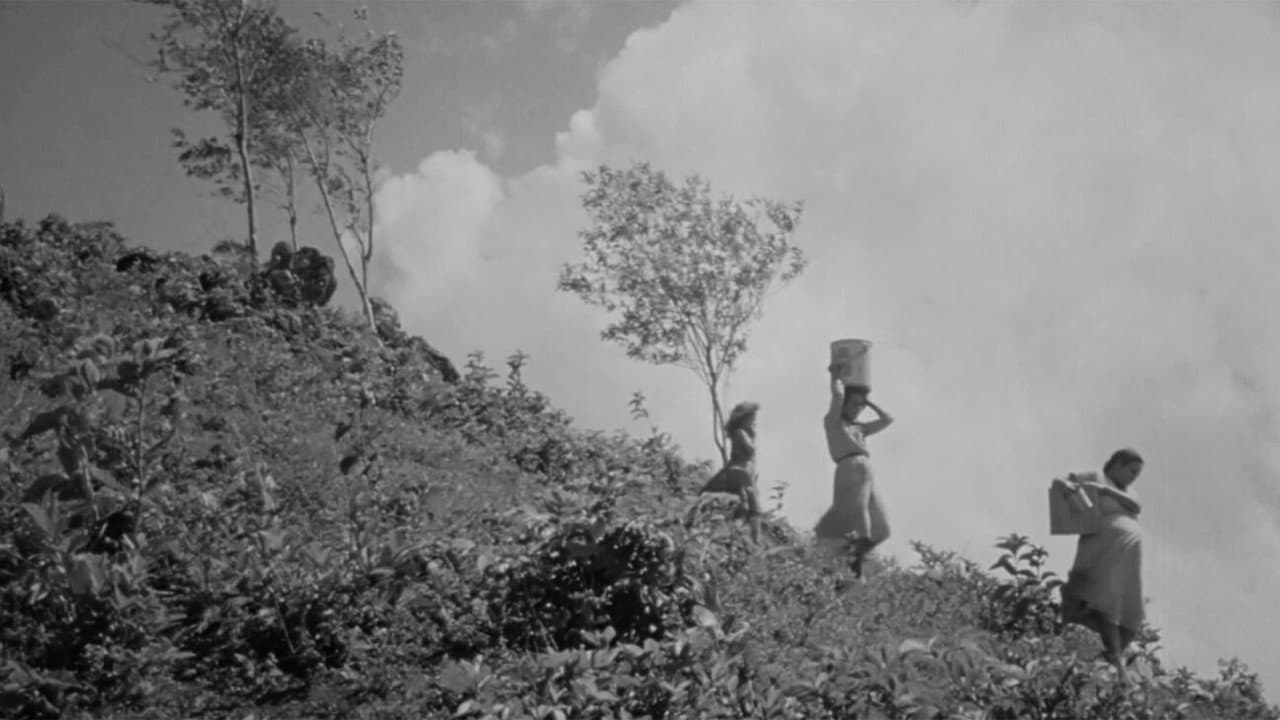
Everything Seemed Possible is a 2026 documentary (105 minutes) that does something rare: it treats archival footage not as a museum piece, but as a living argument. Director Oren Rudavsky follows Ramón Rivera Moret—a scholar and cultural curator—through films made in rural Puerto Rico during the 1950s and 60s by the Division of Community Education's Film Unit (DIVEDCO). These weren't propaganda reels. They were something stranger. Government-backed, yes—but collaborative documents made with and for the communities they filmed. Rivera Moret threads his own family's memories through the archive, and that personal spine changes everything.
The film doesn't announce itself loudly. No swelling score, no parade of talking-head experts validating what you're seeing. Just archive footage, one man's recollections, and the gap between them—which turns out to be where the real story lives.
Why DIVEDCO matters (and why it's been invisible until now)
DIVEDCO was established in 1949 and produced roughly 100 films before its eventual dissolution. Only a fraction have circulated outside academic circles. That's the gap Everything Seemed Possible fills—and it's doing something the archive itself never quite managed: asking what it meant to be filmed by well-intentioned state planners who wanted to modernize your village while preserving it, simultaneously.
What's striking is how the film refuses to treat this as settled history. Rivera Moret doesn't just explain why the archive matters—he interrogates it. He watches his grandmother's face in one of the DIVEDCO films and you see recognition and grief move across his expression at the same time. That sequence alone justifies the film's existence. The craft here isn't showy. It doesn't need to be.
The DIVEDCO films themselves are remarkable objects—shot with genuine care, often by cinematographers who went on to significant careers. They capture a Puerto Rico caught between Operation Bootstrap's industrial ambitions and a cultural establishment desperate to preserve something it feared losing. That tension runs through every frame. (It's the kind of contradiction most documentaries flatten into thesis statements, but Everything Seemed Possible lets it stay complicated.)
Movie OTT tracks documentary releases across streaming platforms, and you rarely see a film that handles archival material with this level of curatorial intelligence—the kind where the filmmaker is asking genuine questions rather than confirming predetermined answers.
Where to watch it right now
Currently streaming on major OTT services. Check the where-to-watch widget at the top of this page for real-time availability—streaming rights shift, and a 2026 title like this might expand to additional platforms as the year progresses.
The widget reflects current data rather than a snapshot that'll be outdated next week. Movie OTT updates availability regularly, which matters if you're the kind of viewer who prefers certain platforms. Worth bookmarking if you follow documentary releases closely. Don't waste time hunting across five different apps—the widget tells you instantly whether it's on your subscription.
What you're actually getting when you press play
This isn't a film that spoon-feeds you conclusions. You're not watching a "here's the archive, here's what it means" assembly line. Instead, you're watching Rivera Moret feel his way through footage of people he's related to, landscapes his family knew, a version of Puerto Rico that existed before he was born. The film respects your intelligence enough to let that ambiguity sit.
If you cared about Nostalgia, Hou Hsiao-hsien's 2018 essay on memory and archive, or if you've watched documentaries about cultural preservation and felt frustrated by how neat they tie things up—this one won't disappoint. It's patient. It asks questions it doesn't answer. Honestly, that's rare enough to matter.
The runtime (105 minutes) is long enough for the footage to breathe, short enough that you won't check your watch. The pacing doesn't rush. There's space between scenes—not as a stylistic choice, but because these moments need air around them.
Common questions answered
Should I watch if I'm not familiar with Puerto Rican history? Yes. The film doesn't assume prior knowledge. It teaches you what you need to know as it goes. But if you're already interested in Latin American history or how documentary filmmaking can interrogate memory—you'll find much deeper resonance here.
Is this appropriate for family viewing? There's no graphic content, no language barriers (English subtitles handle any Spanish dialogue). It's contemplative rather than intense. Whether it works for your specific audience depends on their patience for slower pacing and archival material—not on content warnings.
How does this compare to other archive documentaries? Most documentaries about rediscovered footage follow a predictable rhythm: here's the footage, here's an expert explaining its significance, here's modern context for contrast. Everything Seemed Possible breaks that formula repeatedly. The personal testimony doesn't illustrate the archive—it questions it. That's the difference.
When was this made? Released in 2026. It's a recent production, which means the restoration and curation of the DIVEDCO films themselves is modern—better quality than what you'd see in older compilations of the same material.
The bottom line
Watch it if you care about what happens when a community gets to see itself through its own historical record. Watch it if you're interested in Latin American cultural history beyond the textbook version. Watch it if you've ever wondered what filmmaking for a community (rather than about it) actually looks like—complications and all.
The film's currently available on major platforms. Don't wait for awards season validation or critical consensus to build. This is the kind of work that builds its reputation slowly and lasts—the kind that sits with you after the credits roll because it refuses to resolve its own tensions into easy meaning.