







The story of Exhibiting Forgiveness
Exhibiting Forgiveness tells the story of Tarrell, a gifted and accomplished artist whose career is on an upward trajectory—until an unwanted visitor arrives at his door. His estranged father, a man battling addiction and desperate to rebuild their relationship, shows up seeking reconciliation. What unfolds is neither a neat redemption arc nor a simple rejection. Instead, the film sits in the messy, painful space between two people who share blood but little else, forcing both—and the audience—to confront a hard truth: forgiving someone and being able to move past what they've done are two entirely different things.
Directed with restraint and emotional intelligence, the 117-minute drama doesn't lean on melodrama or convenient plot turns. It's a character study, really, anchored by the tension between a man who's worked hard to build a life separate from his past and a father who wants back in. The central question isn't whether forgiveness is possible. It's whether remembering—truly reckoning with what was broken—might be an even greater obstacle than letting go.
Behind the making of Exhibiting Forgiveness
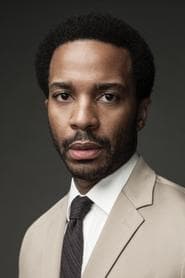
Exhibiting Forgiveness emerges from a creative partnership involving Homegrown Pictures, Shade Pictures, Hunting Lane Films, Roycroft Camera Obscura Company, and Revolution Ready. The film was released in 2024 and has since found its way onto major streaming platforms, making it accessible to audiences who might miss it in limited theatrical runs. André Holland, known for his work in television and film, carries the weight of the narrative as Tarrell, bringing nuance to a character caught between ambition and unresolved family trauma.
The production values reflect an indie sensibility—intimate framing, naturalistic dialogue, a focus on performance over spectacle. There's a deliberate economy to how the story unfolds, which serves the material well. Rather than padding the runtime with subplot gymnastics, the filmmakers trust that two people in a room, talking about hard things, can sustain 117 minutes of attention. The IMDb rating of 6.2 out of 10 suggests mixed but engaged viewership; the film clearly provokes discussion rather than coasting on sentiment. While specific awards recognition and box office figures aren't widely publicized for this title, its presence on streaming platforms indicates that distributors saw enough merit to invest in broader release.
What makes Exhibiting Forgiveness stand out
What's striking is how the film refuses easy answers. Too many stories about addiction and family reconciliation follow a predictable template: the addict apologizes, the family member struggles, tears are shed, and some version of peace is achieved by the final frame. Exhibiting Forgiveness doesn't work that way. Instead, it dwells in the psychological and emotional aftermath—the part where you're supposed to just... move on. Except you can't, not really. Not when the person asking for forgiveness is also the person who shaped your earliest wounds.
Holland's performance grounds everything. There's a scene—I won't spoil it, but it involves Tarrell's art studio—where his face communicates years of resentment and protective distance without a single word. That's the kind of acting this film demands and receives. The supporting cast works in concert with this restraint; nobody's chewing scenery or performing "recovery" or "redemption" as theatrical concepts. These are real people, flawed and stuck, trying to figure out if they have anything left to build together.
Audience responses, like those tracked by critics such as Brent Marchant, have highlighted how the film captures something true about the cost of forgiveness—not the romantic cost, but the exhausting, uncertain kind where you're never quite sure if you've actually forgiven or just learned to coexist with your anger. The film doesn't resolve this tension, which is precisely why it works. Life rarely resolves it either.
Where to stream Exhibiting Forgiveness online
Exhibiting Forgiveness is currently available on major OTT services, and you can check the "Where to Watch" widget at the top of this page to see which platforms are streaming it in your region right now. Streaming availability shifts regularly—a title might be on Netflix one month and move to Prime Video the next—so Movie OTT keeps tabs on where films land, saving you the hassle of hunting across five different apps. If you're the type to add things to your watchlist and then forget where to find them, the widget's your friend. The film's 117-minute runtime makes it a solid evening watch, not something that demands a theatrical commitment but rewards undivided attention all the same.
Frequently asked questions
Q: Who stars in Exhibiting Forgiveness?
André Holland leads the cast as Tarrell, the successful artist at the film's center. Holland's nuanced performance is central to the film's emotional weight, capturing the internal conflict of a man wrestling with his father's return.
Q: How long is Exhibiting Forgiveness?
The film runs 117 minutes, giving it enough time to explore its themes without excess padding. It's a focused character study rather than an expansive drama.
Q: What year was Exhibiting Forgiveness released?
Exhibiting Forgiveness came out in 2024 and has since become available on streaming platforms, making it accessible to audiences beyond theatrical release windows.
Q: Is Exhibiting Forgiveness based on a true story?
The film is an original drama exploring universal themes of family estrangement and reconciliation rather than an adaptation of a specific true story, though its emotional authenticity may feel drawn from lived experience.
Q: What's the IMDb rating for Exhibiting Forgiveness?
The film holds a 6.2 out of 10 rating on IMDb, reflecting a mixed but engaged audience response—viewers clearly found it thought-provoking, even if opinions diverged on execution.
Final thoughts on Exhibiting Forgiveness
Exhibiting Forgiveness isn't a feel-good film, and that's its strength. It's for viewers who can sit with discomfort, who understand that family relationships don't resolve neatly, and who appreciate performances that prioritize truth over catharsis. If you're looking for a story about addiction and redemption that actually respects the messiness of those subjects, or if you want to see Holland do some of his best work, this 2024 drama deserves your attention. It won't leave you feeling resolved. But it might leave you thinking—which, honestly, is the whole point.