





What Fast-Walking is really about
Fast-Walking is a 1982 prison drama that centers on a corrections officer operating in the murky space between the law and criminality. The film doesn't pretend its protagonist is anything but corrupt — he's a man who'll bend every rule, exploit every inmate, and cut every corner if the price is right. When a murder plot involving one of the prison's inmates lands on his desk, he finds himself caught between competing forces: the inmates who want him to help spring someone, the criminals outside the walls who've got their own agenda, and his own survival instinct kicking into overdrive. It's a story about desperation wearing a uniform, about how institutions can rot from the inside when the people guarding them are just as criminal as the people they're guarding.
The film operates in that grimy 1980s crime-drama space where nobody's really a hero. There's no moral clarity here, no white-hat protagonist to root for unconditionally. Instead, you're watching a man navigate a system so broken that corruption isn't an aberration — it's the operating procedure. That's what makes it uncomfortable to watch, and that's partly what keeps it interesting.
Behind the making of Fast-Walking
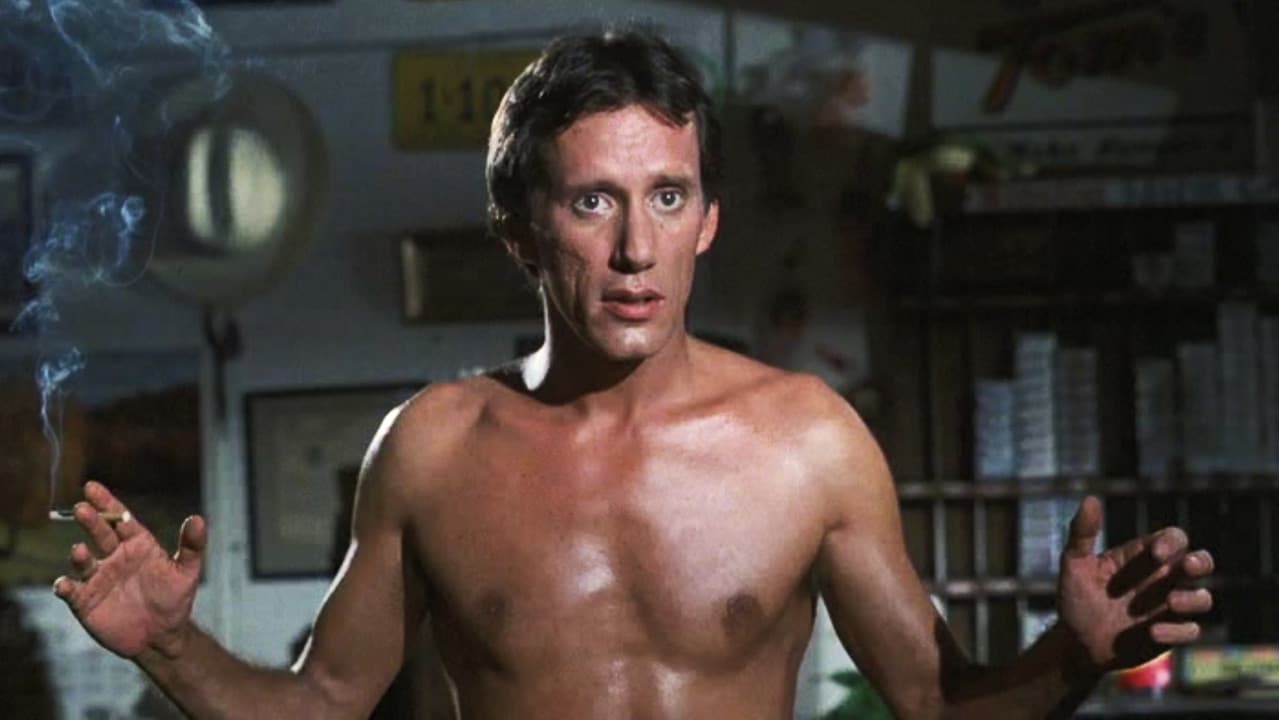
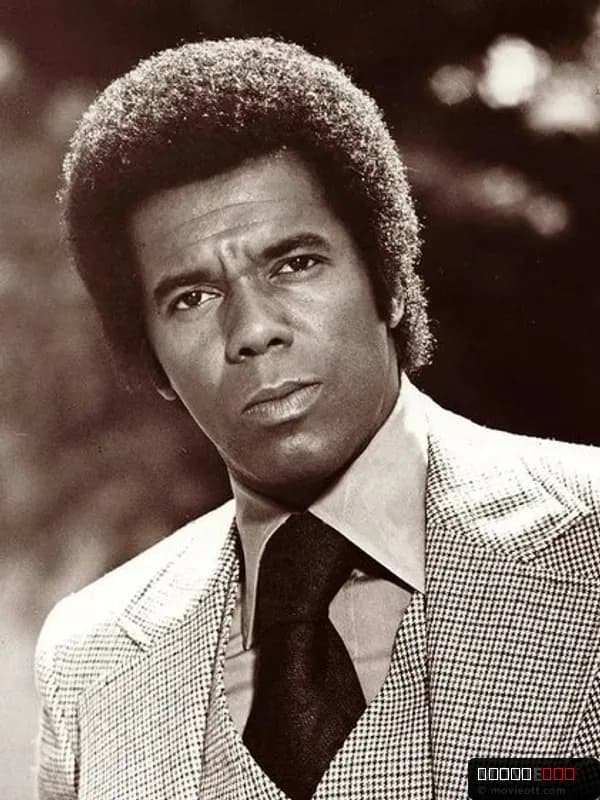
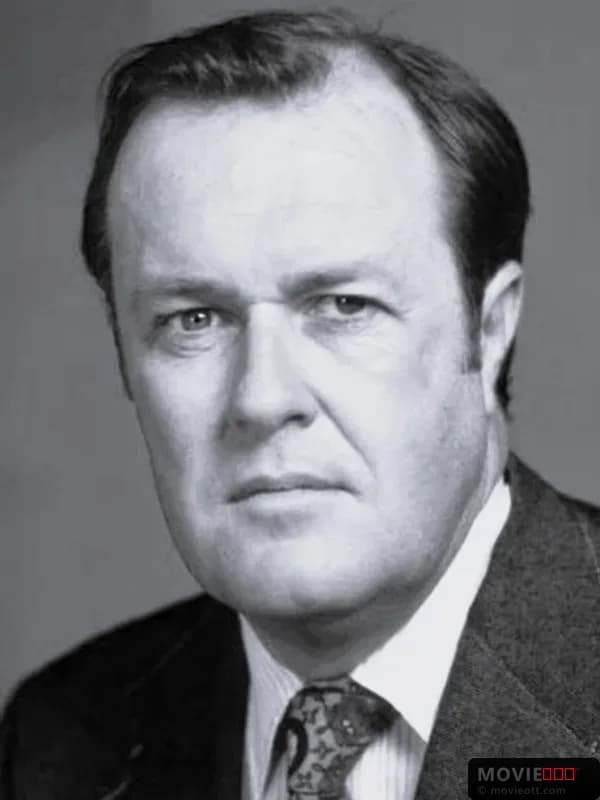
Fast-Walking was written and directed by James B. Harris, a filmmaker with serious pedigree in the crime and drama space. Harris adapted the screenplay from Ernest Brawley's 1974 novel The Rap, which itself was rooted in the reality of prison life and institutional corruption. The film came out of James B. Harris Productions and Lorimar Productions, bringing together a cast that included James Woods in the lead role, alongside Tim McIntire, Kay Lenz, Robert Hooks, and M. Emmet Walsh — actors who'd all made their mark in gritty, character-driven material.
The 115-minute runtime gives the film breathing room to explore its world without rushing through the moral complications. Released in 1982, Fast-Walking arrived during a period when prison dramas were having a real moment in cinema, though this one took a deliberately cynical approach compared to some of its peers. The film carries an R rating, which makes sense given the violence, language, and thematic darkness embedded throughout. While it didn't become a mainstream box-office juggernaut, it's the kind of film that found its audience among viewers who appreciated character studies and moral ambiguity over plot mechanics. For those tracking down where to watch Fast-Walking today, Movie OTT maintains a current list of which streaming platforms carry it — availability shifts, but the film's remained accessible to audiences interested in 1980s crime cinema.
Why Fast-Walking still holds up as a character study
What's striking about Fast-Walking is that it refuses to make its protagonist likable in any conventional sense. James Woods plays a man who's fundamentally selfish, willing to exploit the system and the people in it for personal gain. But Woods brings a kind of weary intelligence to the role — you can see the calculations happening behind his eyes, the constant mental arithmetic of risk versus reward. He's not a cartoon villain. He's a guy who's rationalized his corruption so thoroughly that he probably doesn't even see himself as corrupt anymore.
The supporting cast does solid work too. Tim McIntire, Kay Lenz, Robert Hooks, and M. Emmet Walsh all bring specificity to their roles, creating a sense that this prison — and the world around it — is populated by people with their own agendas, their own desperation. The film doesn't sentimentalize any of them. It's interested in how institutions create the conditions for corruption, how proximity to power and powerlessness can warp someone's moral compass. The thing nobody mentions is that the film's real subject isn't the murder plot itself — it's the slow realization that there's no way out of the system once you're complicit in it. Woods' character discovers that being dirty doesn't give you freedom; it just gives you a different kind of cage.
The IMDb rating of 5.786/10 reflects a film that's divisive, and that makes sense. Not everyone's looking for a prison drama that's this bleak, this willing to sit with moral ambiguity without offering redemption or comeuppance. But that's precisely what makes it worth seeking out if you're the kind of viewer who appreciates movies that don't tie things up neatly — where the ending feels earned rather than imposed.
Where to stream Fast-Walking right now
Finding Fast-Walking online is straightforward thanks to the major OTT services that carry it. The film's availability shifts depending on licensing agreements, but it cycles through the major streaming platforms regularly. If you're trying to track down exactly where it's streaming this week, the Where to Watch widget at the top of this page will show you every platform currently offering it — no need to bounce between three different apps wondering if it's on any of them. Movie OTT keeps that information updated in real time, so you can jump straight to whichever service you already subscribe to. The film's runtime (115 minutes) makes it a solid evening watch, and it's the kind of movie that benefits from a focused viewing rather than half-attention.
Frequently asked questions
Q: Who directed Fast-Walking?
James B. Harris directed, produced, and wrote Fast-Walking. He adapted the screenplay from Ernest Brawley's 1974 novel The Rap, bringing his own sensibility to the material and creating a film that's deeply cynical about institutional corruption.
Q: Is Fast-Walking based on a true story?
Fast-Walking is based on Ernest Brawley's novel The Rap from 1974, which drew from real-world observations of prison life and institutional dynamics, though the specific plot is fictional rather than tied to a single true event.
Q: What's the runtime of Fast-Walking?
The film runs 115 minutes, which gives it enough time to develop its characters and explore the moral complexities of its prison setting without feeling padded or rushed.
Q: Why is Fast-Walking rated R?
The film carries an R rating due to violence, language, and thematic content related to crime and corruption. It's not gratuitous — the rating reflects the serious, gritty nature of the material.
Q: Who stars in Fast-Walking?
James Woods leads the cast as the corrupt corrections officer, with Tim McIntire, Kay Lenz, Robert Hooks, and M. Emmet Walsh in supporting roles. It's an ensemble of character actors who bring depth to their parts.
Final thoughts on Fast-Walking
Fast-Walking isn't a feel-good movie. It won't leave you optimistic about human nature or institutional reform. But if you're looking for a 1980s crime drama that's willing to get uncomfortable, that trusts its audience to sit with moral complexity, and that features strong character work from its cast — it's worth your time. The film understands that corruption isn't usually a dramatic choice; it's a slow erosion of principles until you can't remember what you stood for anymore. That's a darker, more honest take on institutional life than most films are willing to offer. Whether you're discovering it for the first time or revisiting it after years, Fast-Walking remains a solid entry in the prison-drama canon, one that doesn't apologize for its cynicism or its refusal to offer easy answers.