The Story of Fear No Evil
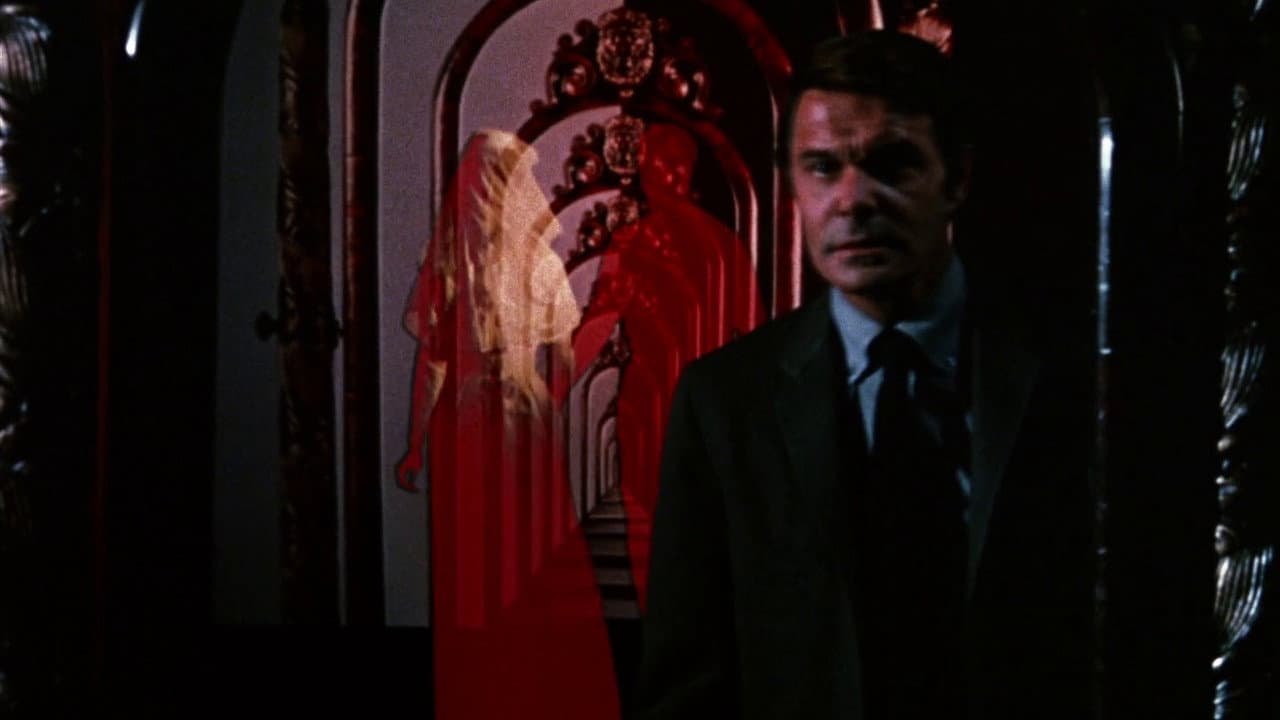
When Fear No Evil premiered on NBC on March 3, 1969, television audiences weren't quite ready for what they were about to see. The film centers on Dr. David Sorrell, a psychiatrist with expertise in the occult, who becomes entangled in a genuinely unsettling case: a man is possessed by a malevolent spirit that resides within an antique mirror. But here's where it gets darker. The man's fiancée discovers that the mirror doesn't just trap demons—it can resurrect the dead, pulling back her former boyfriend, killed years earlier in a car accident, from whatever lies beyond. What begins as a clinical investigation into possession spirals into something far more complicated, where grief, obsession, and supernatural forces collide. The 98-minute runtime moves with the deliberate pacing of a psychological thriller, building dread through suggestion rather than gore—a smart choice for network television in an era when horror on TV was still finding its footing.
Behind the Making of Fear No Evil
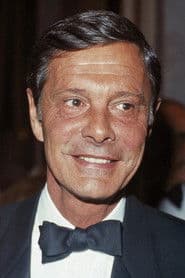
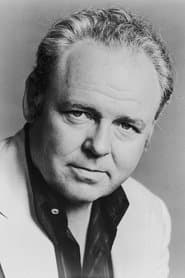
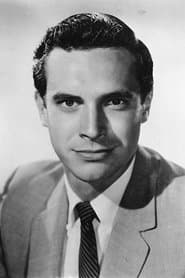
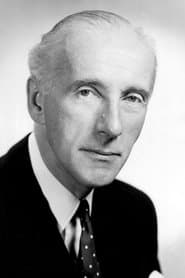
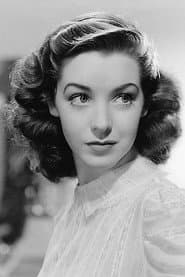
Fear No Evil wasn't just another made-for-TV movie. It was NBC's ambitious first entry in their "Movie of the Week" programming block, directed by Paul Wendkos, a veteran of television who understood how to wring tension from confined spaces and intimate storytelling. The cast carried real weight: Louis Jourdan, a suave and intelligent presence in Hollywood, brought gravitas to Dr. Sorrell, while Wilfrid Hyde-White—best known for his comedic roles—played Harry Snowden, Sorrell's mentor and guide through the occult underworld. That casting choice, putting a lighter actor in a darker role, created an interesting tonal friction. The film was, in fact, conceived as a pilot for a proposed series centered on Dr. Sorrell's supernatural investigations. The network clearly believed in the concept enough to greenlight a sequel, Ritual of Evil, in 1970, though neither project spawned the ongoing series NBC had hoped for. Still, the fact that it performed well enough in the ratings to warrant a follow-up speaks to its effectiveness—audiences weren't turned off by the premise or the execution. Universal Television, a powerhouse production company at the time, handled the production, lending it a level of craft and resources that elevated it above typical TV-movie fare of the era.
What Makes Fear No Evil Stand Out
I keep coming back to how the film uses the mirror as more than just a plot device. It's a portal, yes, but it's also a metaphor for obsession and the dangerous allure of the past. What's striking is how the screenplay doesn't shy away from the fiancée's moral ambiguity—she's not simply a victim or a witness, but an active participant in the supernatural transgression, willing to resurrect the dead because she can't let go. That's psychologically complex stuff for a 1969 television film. Jourdan's performance grounds the supernatural elements in intellectual curiosity rather than fear; he approaches the case like a puzzle to be solved, which makes the moments when logic fails him all the more unsettling. The film doesn't rely on jump scares or elaborate special effects—it can't, given the production constraints of television at the time—instead favoring an atmosphere of creeping wrongness, a sense that something fundamentally unnatural is occurring just beyond the frame. The cinematography captures the claustrophobia of rooms where the mirror sits, watching, waiting. And there's a particular scene where Sorrell first examines the mirror under controlled conditions that's genuinely eerie—not because anything violent happens, but because nothing does, and the absence of explanation becomes more terrifying than any explanation could be.
Where to Stream Fear No Evil Online
If you're looking to revisit this piece of television history, Fear No Evil is currently available on major OTT services. The "Where to Watch" widget at the top of this page will show you exactly which platforms are streaming it right now—availability shifts regularly, so that's your best bet for current information. Movie OTT tracks streaming availability across services, so you can see where it's playing without hunting through multiple apps. Whether it's on a classic-film-focused service or bundled with a broader entertainment package, the film's accessibility has improved dramatically since its original broadcast. Back in 1969, if you missed it on NBC, you'd have to wait for syndication or a rare television repeat. Now you can pull it up on demand, which is its own kind of resurrection—fitting, given the film's preoccupation with bringing the past back to life.
Frequently Asked Questions
Q: Is Fear No Evil based on a true story?
No, Fear No Evil is an original screenplay created for television. While it draws on real folklore and beliefs about possession and the supernatural, the specific plot involving the mirror and the resurrected boyfriend is fictional. The film uses these supernatural concepts to explore psychological themes rather than document actual events.
Q: Who directed Fear No Evil?
Paul Wendkos directed the film. Wendkos was a prolific television director who worked extensively in the 1960s and 1970s, known for his ability to build tension and atmosphere on a television budget. He understood how to use close-ups, sound design, and pacing to create suspense without relying on expensive visual effects.
Q: Was Fear No Evil part of a series?
Fear No Evil was conceived as a pilot for a proposed Dr. David Sorrell series of supernatural investigations. Though it performed well enough to warrant a sequel, Ritual of Evil (1970), the series never materialized beyond these two made-for-TV films. Movie OTT's database shows both films are available on streaming platforms if you want to experience the full arc of the character.
Q: What's the IMDb rating for Fear No Evil?
Fear No Evil holds a 6.9 out of 10 rating on IMDb, which reflects its status as a solid but not universally acclaimed television film. Critics and viewers generally respect its ambition and atmosphere, though opinions vary on whether it fully delivers on its supernatural premise.
Q: How long is Fear No Evil?
The film runs 98 minutes, a fairly standard length for a made-for-TV movie of that era. The runtime allows for character development and atmospheric buildup without overstaying its welcome, which is part of why the pacing feels measured rather than rushed.
Final Thoughts on Fear No Evil
Fear No Evil deserves rediscovery, not as a forgotten masterpiece, but as a fascinating artifact of how television used to handle horror—with restraint, intelligence, and genuine unease rather than spectacle. It's a film that trusts its audience to sit with discomfort, to accept that some questions don't have rational answers, and that the past has a way of reaching forward. If you're interested in the evolution of horror on television, or you simply appreciate psychological thrillers that don't need blood and guts to disturb you, it's worth tracking down on your preferred streaming service.