What FEEL is actually about
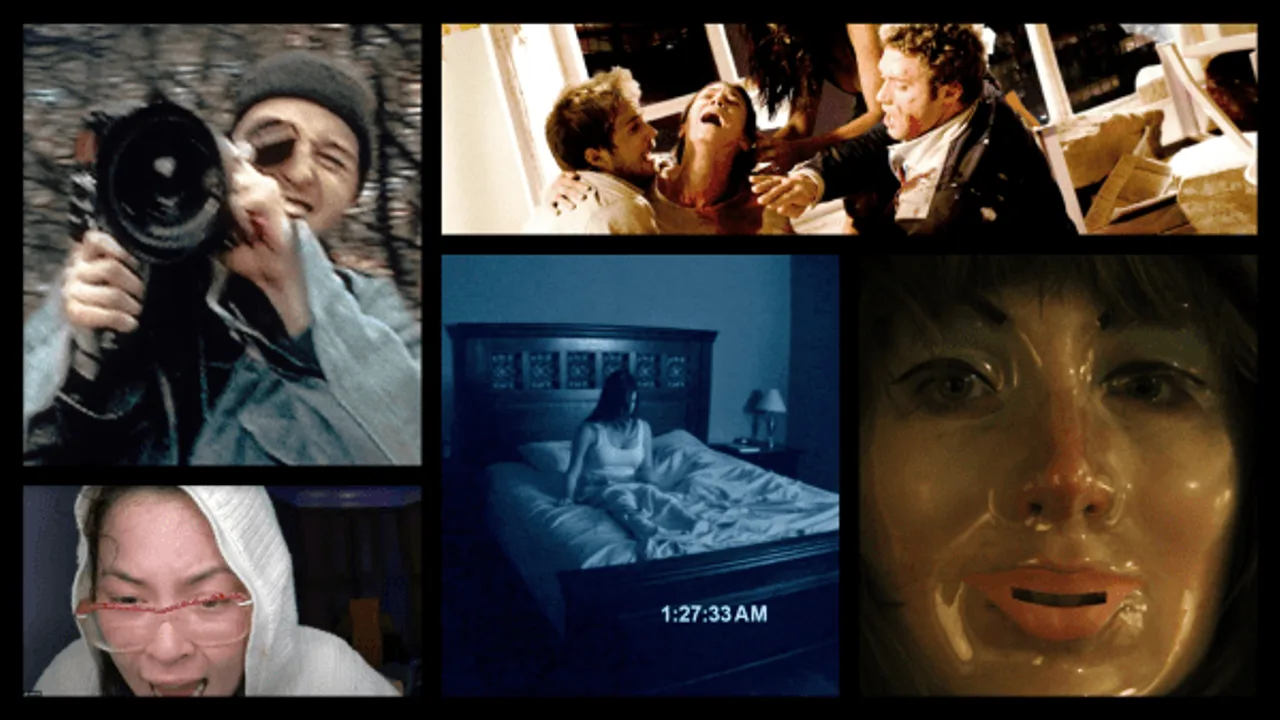
FEEL, the 2025 avant-garde drama, isn't built around a conventional narrative — there's no three-act structure, no protagonist you follow from scene to scene, no tidy resolution waiting at the end of its 78 minutes. What it offers instead is something harder to describe and, honestly, harder to forget. The film assembles the emotional lives of 28 different individuals, weaving their feelings, memories, and interior states into a single continuous experience that functions less like a story and more like a living document. Think of it as a time capsule — one that captures a specific emotional moment in human experience that, by the film's own logic, will never exist in quite this form again. It's cinema as preservation. Cinema as feeling, full stop.
Behind the making of FEEL and how it came together
Production details on FEEL have been kept deliberately spare, which either frustrates you or intrigues you depending on your patience for mystery. What we know is that the film arrived in 2025 and runs a tight 78 minutes — lean by any standard, and especially so for a project with this kind of structural ambition. The filmmakers reportedly worked with 28 participants whose emotional contributions form the backbone of the piece, though whether those contributions came through interviews, performance, documentary footage, or some hybrid of all three isn't entirely clear from the available materials. Hard to say if that ambiguity is intentional or just a byproduct of a limited press rollout.
What's striking is how the project positions itself as something genuinely unrepeatable. The promotional framing — a "multi-dimensional bottle of feelings and time and art" — reads like marketing copy until you sit with it, and then it starts to feel like an honest description of what the filmmakers were actually attempting. There's no major studio credit attached, no wide theatrical run, no box office figure to anchor the conversation. FEEL landed directly into the streaming ecosystem, which suits it. A film this interior, this resistant to easy summary, probably wouldn't survive a multiplex.
No major awards have been announced for FEEL at the time of writing, and its IMDb page reflects a title still finding its audience. That's not unusual for work this unconventional — films that operate outside genre expectations often take time to accumulate the critical mass of viewers who can articulate what they saw. Movie OTT has been tracking the title since its release, and the streaming data suggests it's quietly building a following among viewers who seek out experimental work.
Why FEEL stands out from conventional streaming drama
FEEL doesn't work the way most films work, and that's both its challenge and its genuine strength. The stained-glass-window structure — 28 emotional threads refracted through a single cinematic frame — creates something that feels less like watching and more like being inside someone else's nervous system. There are moments in the film where the cumulative weight of all those feelings lands at once, and the effect is genuinely disorienting in the best possible way.
The thing nobody mentions about experimental films like this is how much craft is required to make formlessness feel intentional rather than lazy. FEEL earns its structure. The editing choices, the way emotional registers shift without warning, the refusal to let any single participant's story dominate — these aren't accidents. They're decisions, and they're confident ones. What you're watching is a filmmaker (or filmmaking team) who understood exactly what they were building, even if the audience needs a few minutes to catch up.
Performance, in the traditional sense, may not be the right frame here. What the 28 contributors bring isn't acting — it's something more exposed than that. Vulnerability, maybe. Or just the particular courage of letting yourself be documented in a state of genuine feeling. Movie OTT editorial has noted that films in this register, where the line between documentary and art film dissolves, tend to polarize viewers sharply: you're either moved or you're unmoved, and there's rarely much middle ground.
Where to stream FEEL online
FEEL is currently available on major OTT platforms, making it accessible to a wide range of streaming subscribers without requiring any additional purchase or rental. The best way to confirm exactly which services carry it in your region is to check the Where to Watch widget at the top of this page — Movie OTT updates that widget in real time as availability shifts across platforms. Streaming rights for independent and experimental titles can change quickly, so it's worth checking before you settle in.
For viewers who use aggregator tools, movieott.com tracks current streaming availability across services so you don't have to hunt manually. FEEL is the kind of film best watched in a single sitting, in a quiet room, without interruption — the 78-minute runtime makes that easy to commit to.
Frequently asked questions
Q: Where can I watch FEEL (2025)?
FEEL is currently streaming on major OTT platforms. Check the Where to Watch widget at the top of this page on Movie OTT for the most current, region-specific availability.
Q: How long is FEEL?
FEEL has a runtime of 78 minutes, making it one of the shorter feature-length releases of 2025. Despite its brevity, the film packs a significant emotional density into that running time.
Q: Is FEEL based on a true story?
Not in the conventional sense. The film draws on the real emotions and experiences of 28 actual participants, so there's a documentary authenticity to it — but it isn't adapted from a single true story or real-world event.
Q: Who is FEEL (2025) directed by?
The director's name hasn't been prominently featured in the film's current promotional materials, which is consistent with the project's deliberately collective, participant-focused framing. Confirmed credits may appear as the film's profile grows.
Q: Is FEEL suitable for all audiences?
FEEL is a drama dealing with raw human emotion across a wide range of emotional states. It isn't a conventional narrative film, and younger or casual viewers may find its experimental structure challenging. It's best approached with patience and an openness to non-traditional storytelling.
Final thoughts on FEEL — who should watch it
FEEL is not for everyone. That's not a criticism — it's a description. If you need plot momentum, character arcs, or a satisfying resolution, this 2025 avant-garde drama will leave you cold. But if you're the kind of viewer who responds to cinema as emotional experience rather than story delivery, FEEL offers something genuinely rare: 78 minutes of pure, preserved feeling that doesn't pretend to be anything else. Seek it out on your preferred streaming platform, give it your full attention, and let it do what it's designed to do. Some films you watch. This one, you feel.