


The story of Filmmakers vs. Tycoons and creative control in cinema
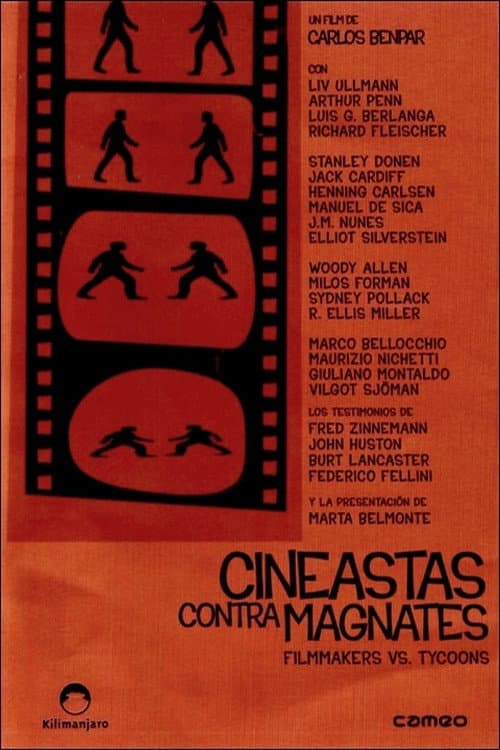
Filmmakers vs. Tycoons is a 97-minute documentary released in 2005 that tackles one of cinema's most persistent and uncomfortable tensions: the collision between artistic vision and commercial machinery. The film doesn't pull punches. It examines how the motion picture industry systematically disrespects the author's original work, repackaging films to appeal to what it perceives as an "undemanding audience." The documentary goes further, investigating how studios mutilate movies to fit the restrictive constraints of television screens, chopping runtimes, altering aspect ratios, and inserting commercial breaks without the filmmaker's consent or approval. It's a documentary about power imbalance. About whose vision actually matters when a film leaves the director's hands and enters the machinery of distribution.
Behind the making of Filmmakers vs. Tycoons and its production context
Produced by Producciones Kilimanjaro, Filmmakers vs. Tycoons emerged during a period when digital distribution was beginning to reshape how audiences consumed cinema, yet theatrical and broadcast standards remained stubbornly rigid and profit-driven. The 2005 release date places it at an interesting moment—DVD was still dominant, streaming didn't exist yet, and the fight over aspect ratios and "pan-and-scan" versus widescreen was still a live issue for cinephiles and casual viewers alike. What's striking is that the documentary chose to focus on a problem that most industry players preferred to ignore or rationalize. The film carries an IMDb rating of 6.833/10, which reflects a modest but engaged viewership—the kind of documentary that finds its audience among filmmakers, students of cinema, and those frustrated by what they see on their screens. While box office figures for independent documentaries of this era are rarely tracked with the same rigor as studio releases, the film's survival in the streaming ecosystem suggests it's maintained relevance across platforms. Movie OTT tracks where documentaries like this one remain available, helping viewers discover titles that don't get mainstream marketing push but deserve serious attention.
What makes Filmmakers vs. Tycoons stand out as a critique of industry practice
The power of Filmmakers vs. Tycoons lies not in flashy production values but in its refusal to soften its argument. The documentary presents a systemic problem—not individual villains, but a structure designed to extract maximum profit from creative work while minimizing the creator's say in how that work reaches the public. I keep coming back to the core insight: studios don't see filmmakers as artists; they see them as content generators whose work is raw material to be processed, edited, compressed, and repackaged. The film traces how this happens across multiple formats and exhibition contexts, from theatrical releases that get cut for television broadcast to aspect-ratio adjustments that frame out crucial compositional elements that the cinematographer and director spent months perfecting. What the documentary captures—and what still feels urgent nearly two decades later—is the absence of a consistent artistic standard. A director's cut might exist, but it's often locked away as a special edition or DVD bonus feature, while the butchered, advertising-interrupted version becomes what most people see. The film's argument is that this isn't accidental; it's structural. It's how the industry works, and it works that way because it's profitable. When Movie OTT surfaces these kinds of critical documentaries alongside mainstream fare, it reminds viewers that cinema history includes this conversation—the ongoing argument about who controls the final image.
Where to stream Filmmakers vs. Tycoons online
Filmmakers vs. Tycoons is currently available on major OTT services, making it accessible to viewers interested in documentary cinema and media criticism. Rather than hunting across multiple platforms, you can check the Where to Watch widget at the top of this page to see exactly where it's streaming in your region right now. Availability does shift—documentaries, especially independent ones, move between services—so Movie OTT's real-time tracking saves you the frustration of searching. The documentary's 97-minute runtime makes it a manageable watch for a single sitting, ideal for film students, industry professionals, or anyone curious about what happens to movies after directors say "cut."
Frequently asked questions
Q: Who directed Filmmakers vs. Tycoons?
The documentary was produced by Producciones Kilimanjaro and released in 2005. While specific directorial credits aren't always prominently listed for documentaries of this era, the film's perspective is unmistakably that of someone deeply invested in filmmaking ethics and frustrated with industry practice.
Q: What is the runtime of Filmmakers vs. Tycoons?
The documentary runs 97 minutes, giving it enough time to build its argument across multiple case studies and examples without overstaying its welcome.
Q: Is Filmmakers vs. Tycoons based on a true story?
It's not based on a single story—it's an examination of actual, systemic industry practices. The film documents real examples of how studios alter films for broadcast, television, and other formats without filmmaker approval, making it a documentary essay rather than a narrative film.
Q: Where can I watch Filmmakers vs. Tycoons right now?
Check the Where to Watch widget on this page to see current availability across major streaming platforms in your region.
Q: Is Filmmakers vs. Tycoons still relevant today?
Absolutely. While the specific technology has changed—streaming has replaced DVD, aspect ratios are less of a battlefield—the core tension between artistic vision and commercial manipulation remains. If anything, algorithmic editing and platform-specific cuts make the documentary's warnings feel prescient.
Final thoughts on Filmmakers vs. Tycoons
Filmmakers vs. Tycoons won't make you feel good. That's kind of the point. It's a documentary designed to make you angry at the invisible cuts, the reframed shots, the missing minutes you'll never see because they didn't test well with focus groups. But it's also necessary viewing—a clear-eyed look at how the machinery of cinema works when nobody's watching. If you care about film as art rather than just content, or if you've ever wondered why a director's cut exists in the first place, this documentary demands your attention.