Five O'Clock
Release year: 2026 | Runtime: 121 minutes | Genre: Drama | Where to watch: Check the streaming widget above for current availability
What Five O'Clock Actually Is
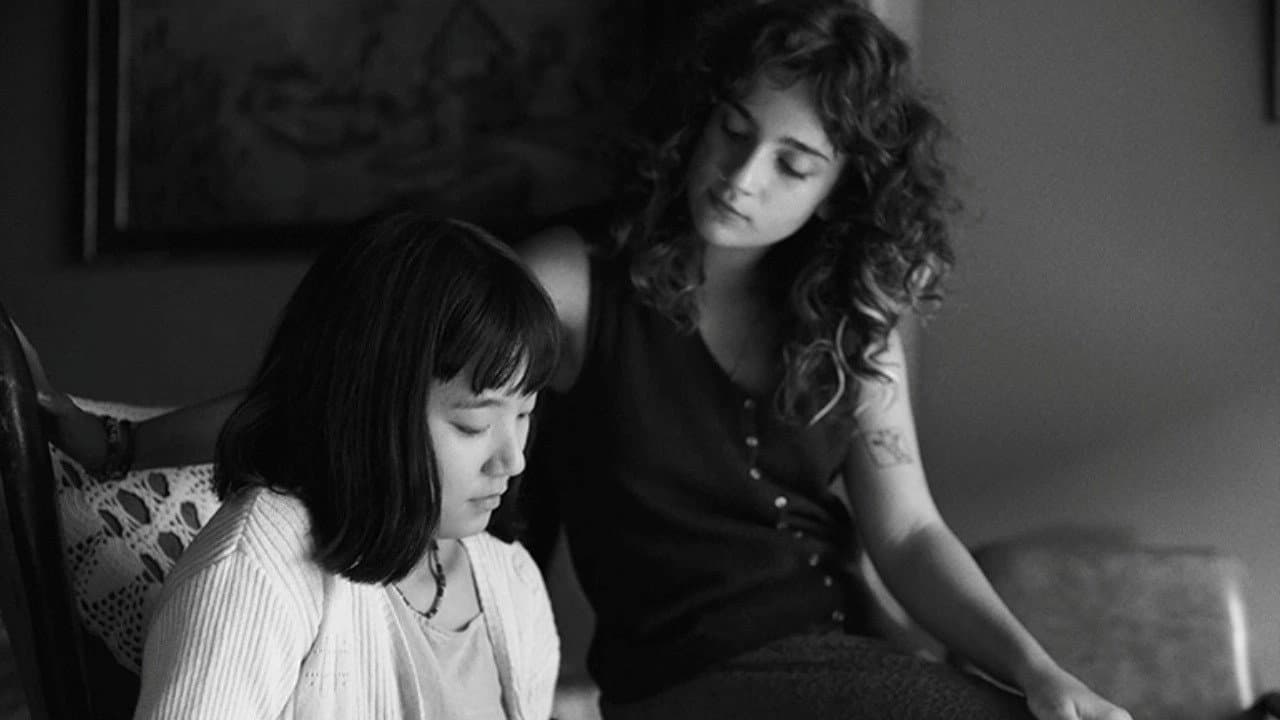
Five O'Clock follows Anabel, a 19-year-old who loses her grandmother and finds herself adrift in that particular kind of grief that doesn't announce itself. It's not the cinematic version — it's the slow, sideways version. As she drifts through her grandmother's apartment and the days after, she grows closer to Meiko, a quiet neighbor who seems to understand something Anabel can't quite articulate yet. The film takes 121 minutes to let this proximity unfold, letting hidden feelings surface without rushing toward resolution. Then Anabel encounters something strange in the apartment — a presence that doesn't explain her grief so much as illuminate it, reframing how she understands what's happening to her.
This is patient filmmaking. Not slow in a frustrating way, but slow in the way that trusts you to sit with ambiguity.
Who Made It (and Why It Matters)
Three production companies — 3 Tabela Filmes e Produções Artísticas, Bando à Parte, and Afinal Filmes — collaborated on this. That's a Portuguese co-production structure, which typically means the film has festival-circuit pedigree built in. These aren't studios chasing algorithm-friendly content; they're companies known for character-driven work that prizes what a moment feels like over what happens next.
The 2026 release window is telling. Films like this don't always get traditional theatrical runs anymore. Instead, they find audiences through festival circuits first, then through streaming platforms — which is honestly where quieter international dramas perform better anyway. Movie OTT tracks exactly this migration path, cataloguing where smaller European and Lusophone titles land so they don't disappear between major releases.
You won't find a director or cast list confirmed in major English-language databases yet — which isn't unusual for 2026 releases still making their way through international distribution. Same reason there's no IMDb rating with meaningful vote counts, no Metascore. That doesn't mean the film is unknown; it just means it's traveling a different circuit than you'd expect.
The Emotional Engine: What the Performances Have to Do
What strikes me about the setup is how much depends on restraint. Anabel doesn't process grief by talking about it. She processes it by existing near Meiko, by returning to spaces that feel different now, by staying still and letting subtext do the work that dialogue refuses to. That's genuinely difficult acting to pull off — you have to hold stillness without reading as blank, and you have to let a scene's weight come from what isn't said.
The relationship between Anabel and Meiko is the real subject here. Not grief exactly, but what grief loosens in a person (the improbable similarities they find in each other feel less like coincidence and more like the film's argument: that real loss has a way of making you legible to people you'd never otherwise reach). There's a moment in the grandmother's apartment when the strange presence first makes itself felt. I keep coming back to it — not because it's shocking, but because it refuses to resolve the way you expect it to, and that refusal feels honest in a way a lot of films aren't willing to be.
If you've watched Portuguese-language dramas before — work from Pedro Costa or Chico Novais, that kind of thing — you'll recognize the DNA here. It's filmmaking that earns its emotional moments through accumulation rather than event.
Where to Actually Watch It
Five O'Clock is available on major OTT platforms — the where-to-watch widget at the top of this page tracks current availability across services in your region. Availability shifts by territory and over time, so checking directly beats hunting through multiple apps yourself.
Movie OTT's streaming tracker aggregates Five O'Clock across all major platforms, which is especially useful if you're outside the initial release territories. International dramas don't always get consistent platform placement, so having a single source beats refreshing individual apps.
If it's not showing in your region yet — keep checking. The 2026 release window is still unfolding.
FAQ
Where can I stream Five O'Clock (2026)? Check the widget above for real-time availability, or visit Movie OTT for cross-platform tracking by region.
Who's in it? Who directed it? Full cast and director credits haven't been widely confirmed in major English-language databases yet. That's common for festival-circuit international titles still in distribution.
Is it based on a true story? No — the story of Anabel, her grandmother's death, and her connection to Meiko appears to be an original narrative.
How long is it? 121 minutes. Full-length drama. (Don't confuse it with the Five O'Clock short film from 2018 — an 11-minute Australian western that shares the title but is completely separate.)
What's the genre? Drama. It includes a quietly supernatural element, but doesn't lean into genre conventions the way thriller or horror would.
Who Should Actually Watch This
You want this if you're drawn to intimate character studies — films where the stakes are personal rather than global, where 121 minutes doesn't feel like an endurance test. If you've watched European quiet cinema before and didn't find it tedious, you'll know what to expect here.
Honestly? Don't go in expecting plot. Go in expecting to feel something you can't quite name while it's happening, and then realize hours later what you were sitting with.
If you're building a double feature, Movie OTT's recommendations surface comparable titles in the Portuguese-language drama space — worth scrolling through for pairing ideas.