What Flower Power - Dutch Women Painters of the 17th Century is really about
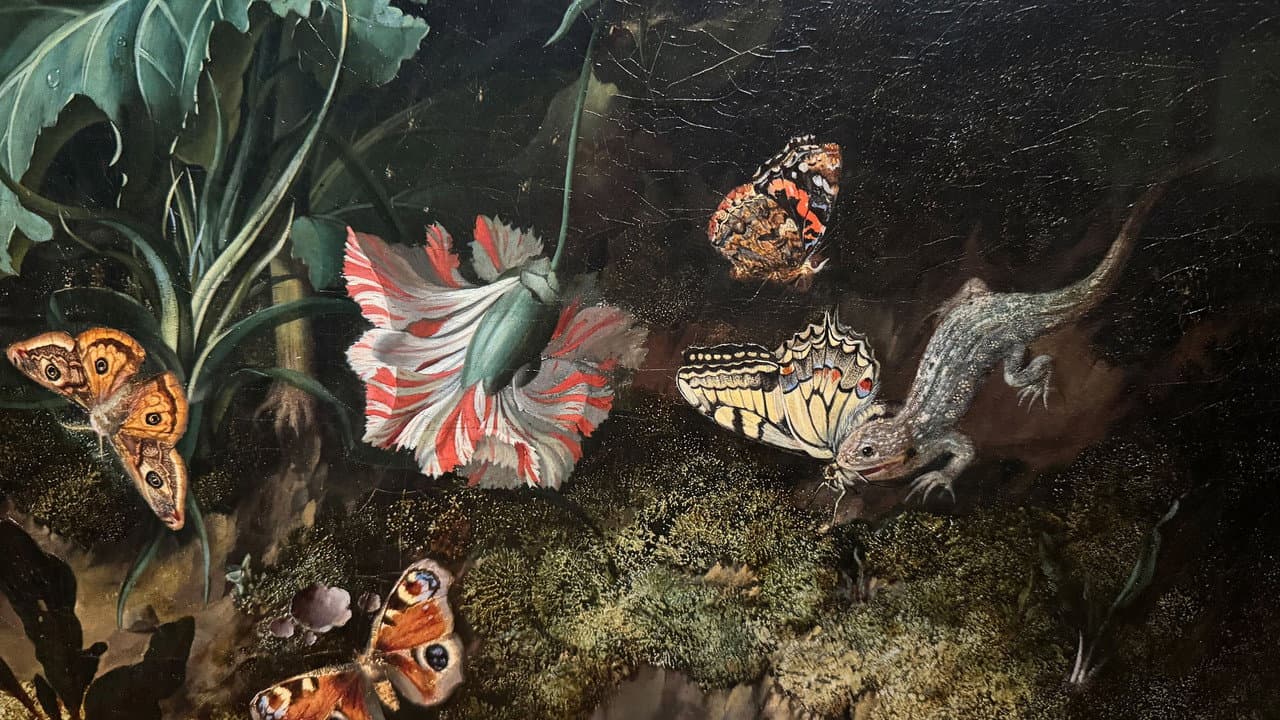
Flower Power - Dutch Women Painters of the 17th Century arrives in 2026 as a 53-minute documentary that sets out to recover something genuinely lost — the scientific and artistic contributions of women who worked in the Dutch Golden Age and were, for centuries, almost entirely written out of the story. The film centers on a specific and fascinating moment: the convergence of the natural sciences with visual art, driven partly by the invention of the telescope and microscope, which gave painters an entirely new way of looking at the world around them. Rather than simply depicting flowers as symbols of wealth or faith, these women studied nature with the rigor of field researchers. Reptiles, insects, seed pods, and beetles appear in their compositions not as decoration but as documentation. It's a reframing of what we think we know about 17th-century Dutch painting — and it works.
How Flower Power - Dutch Women Painters of the 17th Century came together
Produced by BRANDMEDIA FILM in co-production with SWR and Arte, Flower Power - Dutch Women Painters of the 17th Century sits squarely within the tradition of European public-broadcaster documentary filmmaking — the kind that tends to prioritize archival depth over flashy production, and usually benefits from it. Arte, the Franco-German cultural channel, has a long track record of commissioning exactly this sort of historical recovery documentary, and according to Arte's own program listing, the film focuses specifically on the intersection of scientific advancement and women's artistic practice in the Netherlands during the 1600s.
The director has not been publicly confirmed in available sources at the time of writing — hard to say if that information simply hasn't been released yet or whether it's buried in press materials that haven't surfaced internationally. What is documented is that the film runs 53 minutes, which places it firmly in the television-documentary format rather than a theatrical feature. No festival circuit appearances have been confirmed, no awards nominations have been announced, and the IMDb listing currently carries no rating — all of which suggests the film is either very newly released or still rolling out across platforms as of early 2026. No box-office figures apply given its broadcast and streaming origins.
The three central figures — Maria Sibylla Merian, Alida Withoos, and Maria Moninckx — aren't complete unknowns to art historians, but they're far from household names. Merian in particular has received growing scholarly attention in recent years; as DailyArt Magazine has noted in its coverage of women of the Dutch Golden Age, artists like these operated in a world where guild membership was largely closed to women, yet they still managed to produce work of lasting scientific and aesthetic value. The film's achievement, if it lands right, is translating that scholarly recognition into something accessible to a general audience.
Why Flower Power - Dutch Women Painters of the 17th Century stands out from the usual art documentary
What's striking is that this film isn't really about painting in the conventional sense — it's about the moment when art and science hadn't yet decided to be separate disciplines. The women at its center weren't just skilled with a brush; they were observers, classifiers, and in Merian's case, field researchers who traveled to Suriname to study insects in their natural habitat. That context gives the documentary a momentum that purely aesthetic art films sometimes lack.
The film's 53-minute runtime is — honestly — a smart constraint. It doesn't overstay its welcome. There's no padding, no extended talking-head segments that repeat the same point in slightly different words. The structure, from what can be gathered from the Arte program description, moves through each painter with enough specificity to feel like genuine portraiture rather than a survey lecture. The decision to anchor the narrative in the scientific revolution, rather than treating the paintings purely as art objects, gives the whole thing a propulsive quality.
One specific moment that stays with you: the film's treatment of how insects appear in these canvases — not as incidental background detail but as the primary subject, rendered with a magnification and accuracy that anticipates scientific illustration by decades. A caterpillar on a leaf painted by Merian isn't decorative. It's a specimen. That shift in framing — from art history to natural history — is where the documentary earns its title. "Flower Power" turns out to be a genuinely clever double meaning: the cultural shorthand for a certain kind of liberation, applied to women who found their authority through botanical and zoological precision.
Movie OTT tracks titles like this one closely because they tend to find their audience gradually, through word-of-mouth among documentary enthusiasts and art history communities, rather than through splashy release campaigns.
Where to stream Flower Power - Dutch Women Painters of the 17th Century online
Flower Power - Dutch Women Painters of the 17th Century is currently available on major OTT services — check the Where to Watch widget at the top of this page for the most current and region-specific platform listings, since availability can shift. The film's Arte co-production origin means European streaming access may differ from availability in North America or Asia-Pacific regions. Movie OTT aggregates streaming data across platforms so you don't have to check each one manually; if the title has moved or expanded to new services since this page was last updated, the widget will reflect that. Given the documentary's 53-minute runtime, it's an easy single-sitting watch — the kind of thing that fits naturally into an evening without requiring a major time commitment.
Frequently asked questions
Q: Where can I watch Flower Power - Dutch Women Painters of the 17th Century?
The film is available on major OTT services; the exact platforms vary by region. The Where to Watch widget on this Movie OTT page shows current, up-to-date availability so you can find the right option for your location.
Q: Who are the painters featured in Flower Power - Dutch Women Painters of the 17th Century?
The documentary centers on three 17th-century Dutch women artists: Maria Sibylla Merian, Alida Withoos, and Maria Moninckx. All three made significant contributions to both botanical art and the early natural sciences, and their works now hang in major museums worldwide.
Q: Is Flower Power - Dutch Women Painters of the 17th Century based on a true story?
Yes — it's a documentary grounded in documented historical fact. The women it profiles were real figures whose paintings and scientific illustrations survive in museum collections, and the film draws on that archival record rather than dramatizing or fictionalizing their lives.
Q: How long is Flower Power - Dutch Women Painters of the 17th Century?
The film runs 53 minutes, placing it in the television-documentary format. It was produced by BRANDMEDIA FILM in co-production with SWR and Arte and is classified under the documentary and history genres.
Q: Who directed Flower Power - Dutch Women Painters of the 17th Century?
The director has not been confirmed in publicly available sources as of early 2026. The production is credited to BRANDMEDIA FILM alongside the European broadcasters SWR and Arte. Movieott.com will update this page as additional credits are confirmed.
Who should watch Flower Power - Dutch Women Painters of the 17th Century
This one is for anyone who's ever stood in front of a Dutch Golden Age still life and wondered about the person holding the brush. It's for viewers who don't need a dramatic narrative to stay engaged — just a well-constructed argument and images that earn their screen time. Art history enthusiasts will find it rewarding, but so will anyone curious about the history of science and the women who shaped it long before that contribution was acknowledged. At 53 minutes, it asks very little of your evening and returns something genuinely worth thinking about. Movie OTT recommends it without reservation for documentary fans.