
The Story of Footloose: When a Town Bans the Beat
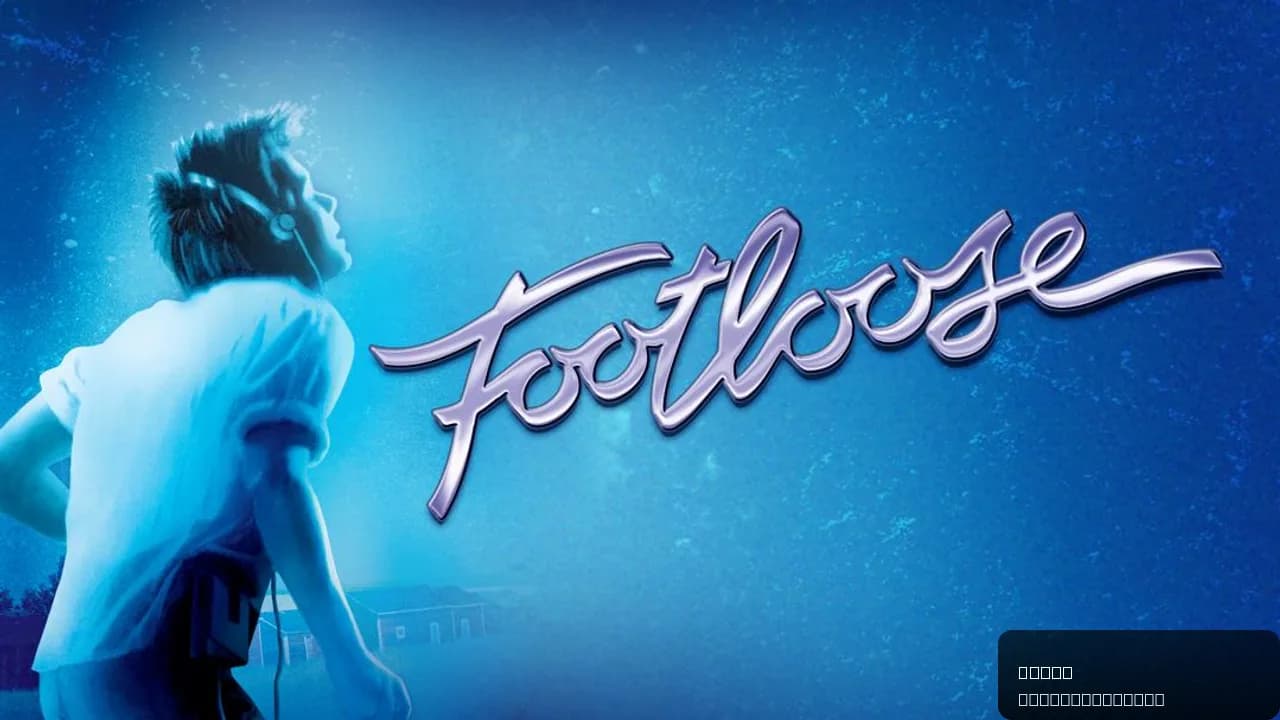
Footloose tells the story of Ren McCormack, a high school student who relocates from Chicago to the fictional town of Bomont in the American West, only to discover he's landed in a place where music and dancing are strictly forbidden. The ban exists because years earlier, a tragic accident killed several local teenagers, and the town's preacher—a man named Moore—convinced the community that dancing and loud music were corrupting influences that needed to be eliminated entirely. What Ren finds isn't just a quirky local ordinance; it's a suffocating cultural lockdown enforced with real consequences. He can't turn on the radio without drawing stares. He can't move to a beat without breaking the law. But Ren isn't the type to accept arbitrary restrictions, especially not ones that strip away joy from an entire town. His arrival sets off a chain reaction that'll force Bomont to reckon with what it's really afraid of.
Behind the Making of Footloose: Production, Cast, and Box Office
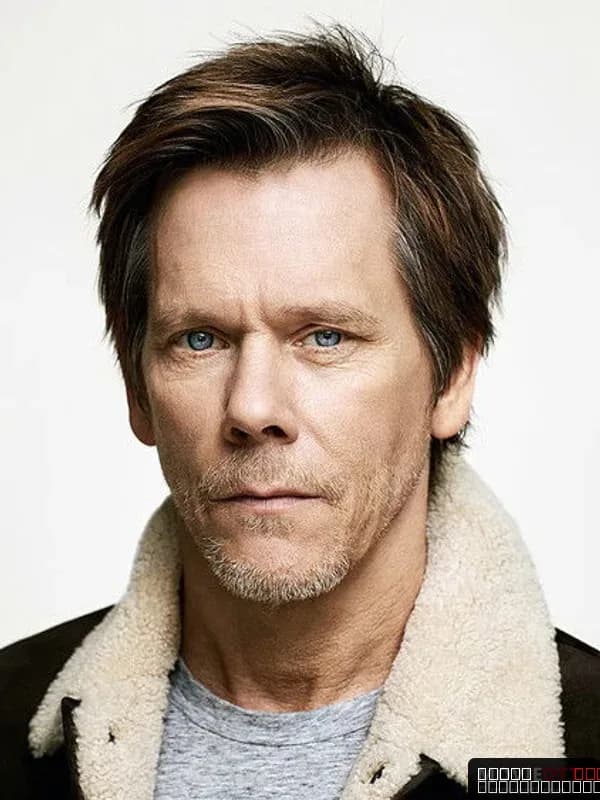
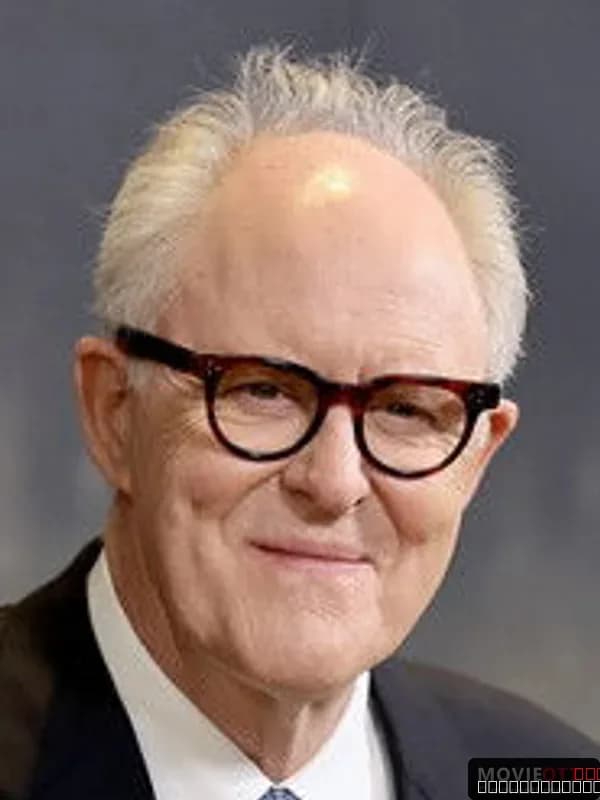
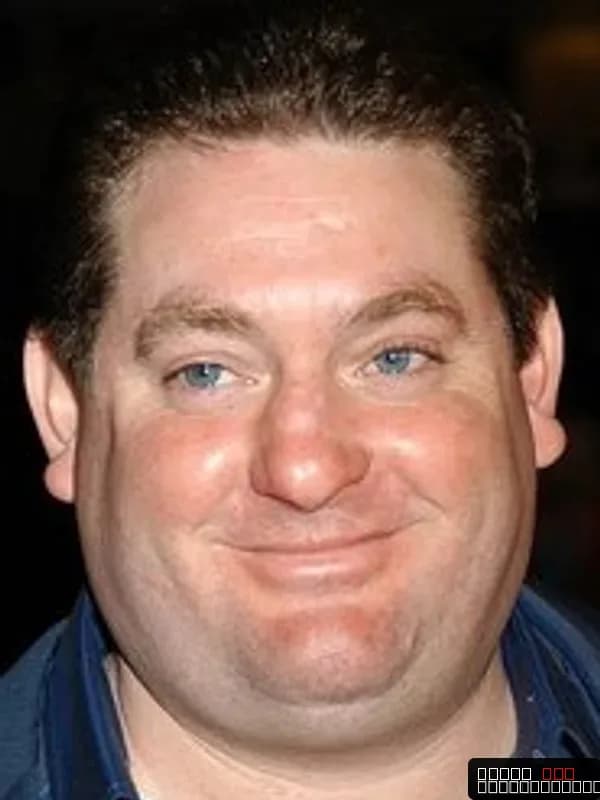
Directed by Herbert Ross and released in 1984, Footloose was written by Dean Pitchford and became one of the decade's most successful musicals. The film assembled a cast of young talent who'd go on to define 1980s cinema: Kevin Bacon in his breakout role as Ren, Lori Singer as the preacher's rebellious daughter Ariel, and John Lithgow as the stern Reverend Moore. Supporting roles featured Chris Penn, Sarah Jessica Parker, John Laughlin, and Dianne Wiest—a lineup that brought real dramatic weight to what could've been a thin premise. The production benefited from an equally memorable soundtrack, with songs that became MTV staples and helped drive the film's commercial success. Footloose was a box office triumph, grossing over $80 million worldwide on a modest budget, making it one of 1984's biggest hits. The film earned an MPAA rating of PG and struck a chord with audiences hungry for a story about youth pushing back against rigid authority. While it didn't dominate the awards circuit in the way some prestige dramas did, the film's cultural impact far exceeded typical critical recognition, becoming a touchstone of 80s pop culture that endures today.
What Makes Footloose Stand Out: Why the Film Still Works
What's striking about Footloose isn't that it's a perfect film—it isn't—but that it understands something fundamental about adolescence: the need to move, to express yourself, to be heard. The performances anchor the story in genuine emotion rather than letting it drift into pure spectacle. Kevin Bacon brings an earnestness to Ren that could've easily tipped into self-righteousness; instead, he plays a kid who's genuinely frustrated and confused by the world he's inherited. Lori Singer, as Ariel, captures the specific pain of being trapped by someone else's trauma—she's not rebelling because she's reckless, but because she's suffocating. John Lithgow's Reverend Moore could've been a cardboard villain, but Lithgow finds the grief underneath the control, suggesting a man so broken by loss that he's tried to freeze time itself. The film also works because it doesn't shy away from the legitimate pain at its center. That accident, the deaths that sparked the ban—they're real. The town's fear isn't presented as irrational hysteria. It's loss. And that's what makes Ren's challenge feel earned rather than glib. He's not just dancing to be cool; he's dancing because he knows that joy and grief can coexist, and a town that bans one will eventually destroy itself by suppressing the other. The choreography, particularly that famous warehouse scene where Ren dances alone, isn't just entertainment—it's catharsis, a visual argument for why movement matters.
Where to Stream Footloose Online
If you're ready to revisit Footloose or discover it for the first time, the film is currently available on Prime Video. You can check Movie OTT for the most up-to-date streaming availability, as platforms rotate titles regularly—what's on Prime today might shift tomorrow, and Movie OTT keeps you from wasting time hunting. The Where-to-Watch widget at the top of this page will show you every platform currently hosting the film, so you can jump straight to your preferred service without the guesswork. Whether you're streaming on a weeknight or planning a 1980s movie marathon, Footloose is just a click away.
Frequently Asked Questions
Q: Who directed Footloose?
Footloose was directed by Herbert Ross, a veteran filmmaker known for his work in musical and dramatic films. Ross brought both visual style and emotional depth to the material, balancing the film's dance sequences with genuine character drama.
Q: Is Footloose based on a true story?
No, Footloose is a fictional story written by Dean Pitchford. However, the premise was inspired by real-world conflicts over dancing and music in conservative communities, particularly a 1980s controversy in a small Oklahoma town where dancing was restricted. The film dramatizes these tensions rather than adapting a specific true event.
Q: How long is Footloose?
Footloose runs for 102 minutes, a lean runtime that keeps the story moving without unnecessary padding. The pacing allows the film to balance character development with musical sequences and dramatic confrontations.
Q: What's the IMDb rating for Footloose?
Footloose holds a 6.6/10 rating on IMDb, reflecting a solid audience reception despite some critics finding the narrative straightforward. The rating doesn't capture the film's cultural significance or its enduring appeal to fans who revisit it regularly.
Q: Why was dancing banned in Footloose?
In the film's story, dancing and loud music were banned by the town of Bomont following a tragic accident years earlier that killed several teenagers. The local minister, Reverend Moore, convinced the community that these forms of entertainment were corrupting influences that needed to be eliminated to protect their children.
Final Thoughts on Footloose
Footloose isn't trying to be subtle or complex. It's a straightforward story about the clash between rigid authority and youthful expression, wrapped in 1980s production design and a killer soundtrack. But sometimes straightforward is exactly what works. The film taps into something real—that feeling of being told who you're supposed to be and refusing to accept it. It's why audiences in 1984 connected with it, and why new generations keep discovering it on streaming. If you haven't seen it, there's no better time than now. If you have, it's worth another watch.