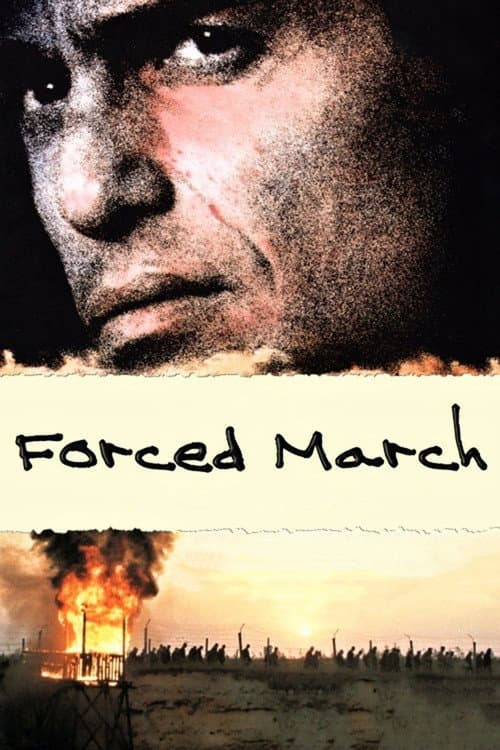
The story of Forced March and its exploration of performance versus reality
Forced March tells the story of Ben Kline, a bankable American television star at the height of his career, who lands what should be a prestige role: portraying Miklos Radnoti, the Hungarian writer and poet whose journal of verses was discovered buried alongside his body in one of Hungary's mass graves. It's the kind of role that wins awards, that transforms a TV personality into a serious actor. But there's a complication — one that runs far deeper than script pages and blocking rehearsals. Kline is also the son of a Holocaust survivor, a man who has spent decades refusing to speak about the war, shutting down every attempt his son has made to understand what happened. Now, given the opportunity to play a hero on screen, Kline is confronted with the messy, devastating reality of a victim. The film doesn't shy away from the collision between these two truths.
Behind the making of Forced March and its cast performances
Forced March emerged in 1989 from Atkins Pictures, arriving at a moment when Holocaust cinema was becoming more prominent in mainstream American culture, though still far from commonplace. The 100-minute drama sits at an IMDb rating of 6.6, a respectable score that reflects its earnest ambitions even if it didn't become a household name. The film's runtime is lean and purposeful — there's no fat here, no grandstanding — which serves its thematic concerns well. The production navigated the inherent risks of casting an American television actor in a role steeped in Hungarian history and Jewish trauma. That choice itself becomes part of the film's DNA: is Kline's performance an act of appropriation or genuine artistic engagement? The film doesn't pretend to have a clean answer. What's striking is how the production seems aware that this tension — between an actor's ambition and the weight of historical responsibility — is exactly where the drama lives. Movie OTT tracks where you can currently stream this title across major platforms, making it easier to revisit works that ask these kinds of uncomfortable questions.
What makes Forced March stand out as a meditation on inherited trauma
Forced March works because it refuses the comfort of a simple narrative about artistic redemption. You might expect a film like this to end with the actor having learned his lesson, having gained empathy, having become a better person through the role. Instead, the film seems genuinely uncertain about whether performance can ever truly bridge the gap between the living and the dead, between the witness and the witnessed. The performances anchor this uncertainty — there's a rawness to how the material is handled that keeps it from feeling like a prestige drama checking boxes. I keep coming back to the central paradox: Kline is trying to honor Radnoti's memory by inhabiting his skin, but in doing so, he's also using that memory as a vehicle for his own emotional journey. The film doesn't let him off the hook for that contradiction, and it doesn't let the audience off the hook either. What's compelling is that the movie trusts viewers to sit with discomfort. It doesn't resolve the tension between truth and illusion that the premise promises — it deepens it. The relationship between Kline and his father, the unspoken history that haunts their interactions, becomes the emotional core that outweighs any plot mechanics. When you're looking for dramas that challenge rather than console, Movie OTT's streaming aggregator helps surface films like this one that don't fit neatly into genre expectations.
How to watch Forced March on streaming platforms today
Forced March is currently available on major OTT services, which means you don't need to hunt through obscure rental channels or wait for a cable broadcast to access it. The film's 100-minute runtime makes it manageable for a single sitting, and its subject matter demands undivided attention — this isn't something to half-watch while scrolling. Check the Where to Watch widget at the top of this page for the most up-to-date list of platforms carrying the film. Whether you're revisiting it or discovering it for the first time, having easy access through streaming services means there's no excuse to keep putting it off. The film's modest profile over the decades shouldn't deter you; sometimes the most rewarding viewing experiences come from titles that didn't dominate the cultural conversation when they first arrived.
Frequently asked questions
Q: Is Forced March based on a true story?
Yes. The film centers on Miklos Radnoti, a real Hungarian poet whose work and journals were discovered in a mass grave after World War II. His story is one of the most poignant testimonies to emerge from the Holocaust.
Q: Who stars in Forced March?
The film features an American television actor in the lead role as Ben Kline, though the production's choice to cast a TV personality in a role about bearing witness to tragedy is itself part of the film's thematic inquiry.
Q: What's the runtime and how long does it take to watch?
Forced March runs 100 minutes, making it a focused, efficient drama that doesn't waste time with subplot detours.
Q: Why would I watch Forced March if it has a 6.6 IMDb rating?
The rating reflects mixed critical response, but that often means a film is doing something unconventional. Forced March refuses easy answers about performance, memory, and inherited trauma — which is precisely why it's worth your time if you want cinema that challenges rather than comforts.
Q: Does Forced March deal with Holocaust content directly?
Yes. The film engages with Holocaust history, both through Radnoti's story and through the protagonist's relationship with his survivor father. It's not a graphic film, but it's unflinching in its emotional weight.
Final thoughts on whether Forced March deserves your attention
Forced March isn't a comfortable watch, and it doesn't pretend to be. It's a film about the limits of empathy, the complications of artistic responsibility, and the ways family trauma echoes across generations. Nearly 35 years after its release, it still feels relevant — maybe more so, given how much contemporary discourse circles around authenticity and who gets to tell which stories. If you're drawn to dramas that sit with you after the credits roll, that don't resolve neatly, that trust you to think — this one's worth seeking out on the major OTT services where it's currently available.