






The Intricate Story of Four
Four, the 2013 debut feature from director Joshua Sanchez, plunges viewers into a simmering night of unexpected connections and hidden desires. Set against the backdrop of a sweltering Fourth of July evening, this provocative drama, adapted from Christopher Shinn's acclaimed stage play, meticulously dissects themes of race, sexuality, and the often-unspoken longings that shape our lives. The film introduces us to two distinct pairs whose paths intersect and intertwine over the course of the night: a middle-aged, married, white father named Joe, and a Black teenager, June, whom he meets at an ice cream parlor; and June's friend, Dexter, who finds himself drawn to a young, white, male college student named Abner. It's a quiet storm. As fireworks explode in the distance, a different kind of tension builds between these characters, exploring the delicate dance of power, vulnerability, and the search for authentic connection in a world brimming with unspoken rules. This isn't a story of grand gestures, but of intimate moments and the profound weight of personal histories.
Behind the Making of Four and its Theatrical Roots
Bringing a stage play to the screen is always a delicate balancing act, and Four navigates this transition with a distinct, minimalist vision. Joshua Sanchez, in his directorial debut, chose to retain much of the play's intimate, dialogue-driven structure, focusing intensely on the performances and the simmering emotional undercurrents. The film, clocking in at a concise 75 minutes, feels less like an expansive cinematic journey and more like a tightly wound character study, a deliberate choice that emphasizes the claustrophobia and intensity of the characters' encounters. While Four didn't arrive with a massive marketing push or significant box office numbers—it was a true independent film—its strength lies in its artistic integrity and the power of its source material. Christopher Shinn, the playwright, is known for his incisive explorations of contemporary American life, and his work often zeroes in on the complexities of race, class, and sexual identity. This adaptation, then, wasn't about reinventing the wheel but about translating the raw honesty of Shinn's dialogue and situations into a visual medium, relying heavily on the actors' ability to convey layers of unspoken emotion. As The New York Times noted in its review, "Sanchez's direction is unobtrusive, allowing Shinn's potent dialogue and the actors' vulnerable performances to take center stage." It's a testament to the film's indie spirit that it chose to prioritize character depth over commercial appeal, earning its modest IMDb rating of 5.3/10 through a commitment to challenging storytelling.
Why Four Resonates with its Unflinching Intimacy
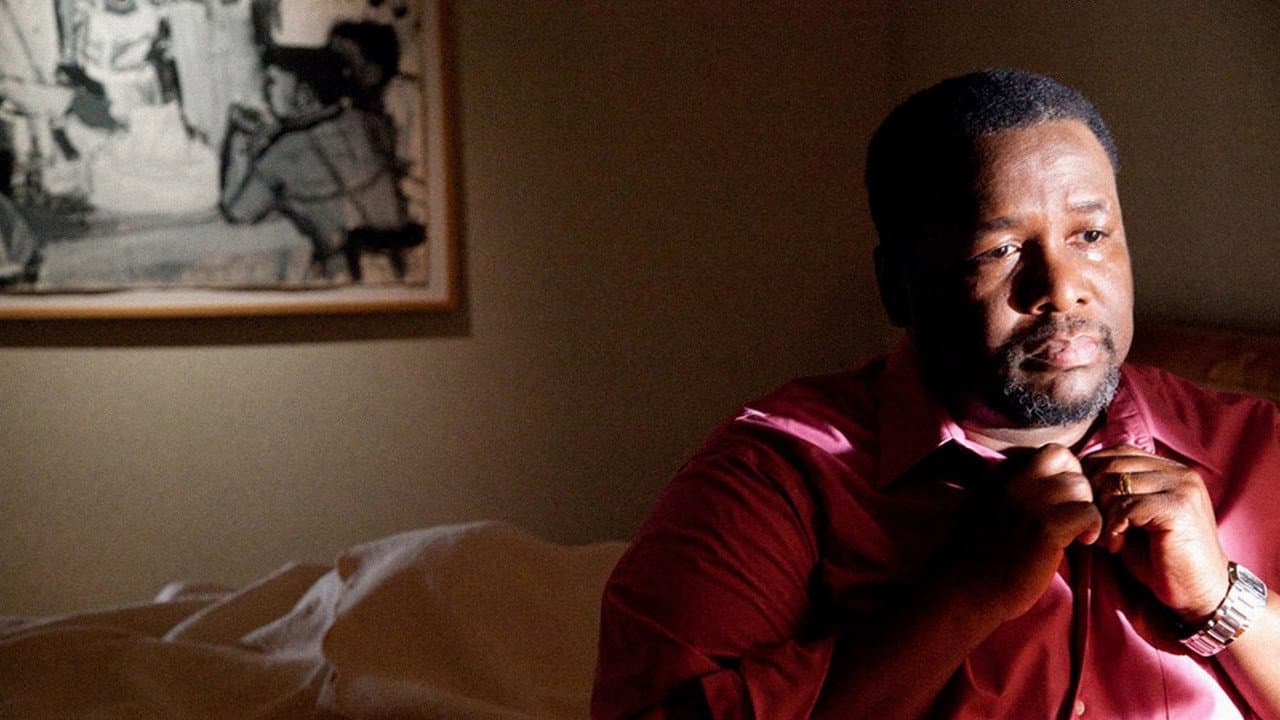
What makes Four stand out isn't its flashy cinematography or intricate plot twists, but its unflinching gaze into the human heart. The film excels at creating an atmosphere of palpable discomfort and yearning, particularly through the central dynamic between Joe and June. Actor Wendell Pierce, as Joe, delivers a performance that's both guarded and deeply vulnerable, conveying the weight of a man grappling with suppressed desires and societal expectations. Similarly, Emory Cohen, as June, projects a youthful defiance mixed with a poignant naiveté that makes their scenes together incredibly tense and emotionally charged. I keep coming back to the sequence where Joe and June are simply talking in a car, the silence between their words speaking volumes about the unspoken power dynamics and vulnerabilities at play. It's a masterful example of how much can be communicated without explicit dialogue. The film doesn't offer easy answers or neat resolutions; instead, it forces viewers to confront the messy, complicated realities of human connection, especially when race, age, and sexual orientation intersect in unexpected ways. It's a film that asks us to sit with discomfort, to consider the nuances of attraction, and to question what we truly seek from others—and from ourselves. Absolutely.
Where to Stream Four Online
For those eager to experience the intimate drama of Four, you'll be pleased to know that this thought-provoking film is currently available on major OTT services. Movie OTT is your go-to resource for tracking where this and countless other titles are streaming. We understand how frustrating it can be to hunt for a specific movie, and that's precisely why our platform, Movie OTT, compiles all the latest streaming availability. You can check the "Where to Watch" widget at the top of this page for the most up-to-date list of platforms currently carrying Four. Whether you're a subscriber to one of the big names in streaming or exploring new options, you won't have to look far to find this compelling 2013 drama. Just a few clicks, and you're ready to dive into Joshua Sanchez's unique vision.
Frequently asked questions
Q: What is the runtime of the movie Four?
The film Four (2013) has a concise runtime of 75 minutes. This relatively short length contributes to its intense, character-focused narrative, keeping the story tightly wound around its central themes.
Q: Who directed the film Four?
Four was directed by Joshua Sanchez, marking his debut as a feature film director. His work on this adaptation of Christopher Shinn's play garnered attention for its intimate and raw portrayal of complex human relationships.
Q: Is Four based on a play?
Yes, the film Four is an adaptation of a stage play by acclaimed playwright Christopher Shinn. The movie retains much of the play's dialogue-driven and character-focused intensity, translating its themes for the screen.
Q: What genres does the film Four belong to?
Four is primarily categorized as a Drama and Romance film. It explores deep emotional connections and societal tensions, particularly around themes of race and sexuality, making it a powerful character study within these genres.
A Final Recommendation for Four
Four isn't a blockbuster, and it doesn't aim to be. Instead, it's a film for those who appreciate quiet intensity, nuanced performances, and stories that challenge rather than comfort. If you're drawn to independent cinema that explores the complexities of identity, desire, and the often-unseen struggles beneath the surface of everyday life, then Joshua Sanchez's Four is absolutely worth your time. It’s a film that invites introspection, leaving you to ponder its characters' choices and the broader societal implications long after the credits roll. For a compelling, albeit sometimes uncomfortable, look at human connection, don't miss this singular dramatic work from 2013.