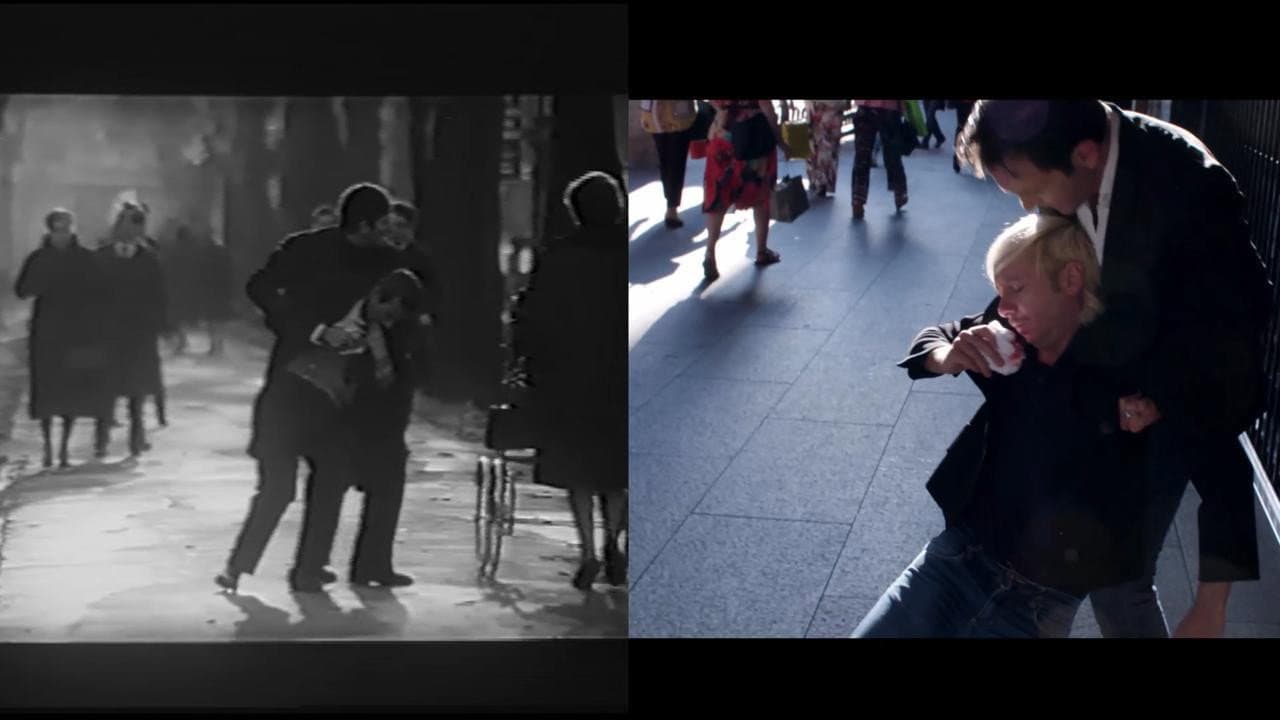

Francesco Barilli — Il cinema e la follia
A 2026 documentary about one of Italian horror's most elusive directors finally arrives on streaming, and it's framed around the exact question fans have been asking for fifty years: what kind of mind makes films like Perfume of the Lady in Black?
Why Barilli matters — and why now
Francesco Barilli is not a household name. Even among cinephiles, he occupies a strange corner — influential enough to matter, obscure enough that most people have never heard of him. His 1974 masterpiece Perfume of the Lady in Black is a psychosexual horror film that burrows into your brain and doesn't leave. It traps you inside a protagonist's deteriorating perception the way maybe three other films manage in the entire giallo tradition. And then he largely disappeared from view.
That's what makes this documentary necessary. Dario Argento's been written about endlessly. Mario Bava has his hagiographies. Barilli — whose output was small, strange, and unmistakably personal — has mostly existed in specialist magazines and DVD liner notes. This film changes that. Movie OTT tracks these kinds of releases as they move across platforms, and Barilli's work is finally getting the sustained attention it's deserved for decades.
The title itself is a provocation. Cinema and madness — not cinema and creativity, not cinema and vision. Madness. That's not sanitizing his work or retrofitting it into respectable art-house history. It's asking: what happens when you make films that feel like they come from somewhere genuinely unresolved?
The production: Nocturno Cinema and the archival deep-dive
Produced by Avila Entertainment and Nocturno Cinema (an Italian genre-film magazine that's evolved into a production company), this documentary isn't a standard talking-heads retrospective. Nocturno's been the institutional memory of Italian cult cinema for years. Their involvement signals something more serious.
The fact that they got Barilli himself on camera is itself a small victory. He rarely speaks at length, and he certainly hasn't done many interview projects. Access like that doesn't happen by accident — it happens because the producers earned enough credibility and respect in the genre-film world that Barilli was willing to sit down.
Avila Entertainment's involvement suggests international reach. This isn't a film made only for Italian audiences rediscovering their own history. It's positioned for the worldwide streaming crowd that's found Barilli through restorations and import editions over the past decade.
What the documentary actually covers
The film leans on interviews and archival material rather than dramatic reconstruction — exactly the right choice for a subject whose films already feel like reconstructed dreams. What strikes me about this approach is that it lets Barilli's own work speak. You don't need a dramatization of his creative process when the films themselves are that strange and specific.
The 2026 release date puts this in that peculiar moment where Italian genre cinema is finally being taken seriously by major platforms. Hard to say if mainstream critical consensus will form quickly, but early signals from the Italian genre-film community — the people who actually know his work — suggest this is being treated as a serious portrait, not a sensationalist one. That matters. Barilli deserves that respect.
As of now, the film carries a 0/10 on IMDb. That's not a critical panning. It's just the absence of user votes — the film's too new, and its audience is still finding it. Check Movie OTT's ratings tracker as more viewers come in over the coming weeks.
Where to watch — and what to expect from streaming availability
Francesco Barilli — Il cinema e la follia is currently available on major OTT services. The Where-to-Watch widget at the top of this page shows real-time availability by region. Streaming rights shift constantly (sometimes without warning), so if you're planning to watch it, check there first to see what's available where you are.
For viewers outside Italy who've been hunting down Barilli's films through import discs and restorations, the fact that this documentary landed on major platforms at launch is genuinely good news. You're not waiting for a theatrical release in three markets. It's there now.
If the film moves to a different platform or becomes available in additional territories, Movie OTT updates those listings automatically. Stream it while it's up — these niche documentaries don't always stay in the catalog long.
Should you watch it? A quick guide
If you've seen Perfume of the Lady in Black and wondered where it came from — watch this. It won't answer all your questions (no documentary can), but it's the closest thing to an answer we're getting.
If you like Italian horror or giallo but haven't discovered Barilli yet — start here. The documentary is a better entry point than diving straight into his films. You'll understand the context, the stakes, the obsessions that shaped his work.
If you're new to cult cinema entirely — Barilli might seem obscure. And he is. But the documentary doesn't require you to have seen his films already. It builds the case for why they matter.
One practical note: The film carries no MPAA rating and no family-friendly designation, though it's a documentary about a horror director, so approach it with reasonable expectations about subject matter. It's not graphic — it's analytical — but it's not a light watch either.
FAQ
Q: Who directed this documentary?
The directing credit hasn't been widely publicized, though Nocturno Cinema's editorial team is closely associated with production. The focus is rightfully on the subject — Barilli himself — rather than the documentarian.
Q: What's Francesco Barilli's most famous film?
Perfume of the Lady in Black (1974). It's a psychosexual horror film that's developed a devoted cult following over five decades. It's the reason people know his name today.
Q: Is this a feature film or documentary?
Documentary. Released in 2026. Focused entirely on Barilli's life and work.
Q: Has it won any awards yet?
Not as of now. Given the producers involved and the subject matter, it'll likely attract attention on the documentary festival circuit, but nothing's been announced yet.
Q: Can I watch this if I haven't seen Barilli's films?
Absolutely. The documentary works as a standalone introduction. You might want to hunt down Perfume of the Lady in Black afterward — most streaming platforms now carry the restored version — but you don't need to have seen it first.
Final thought
For anyone who's spent time with Barilli's films and wondered what kind of mind made them — what it cost, what it meant — this documentary feels overdue. It won't be for everyone. Genre-film newcomers might find the subject obscure. But if you've been waiting for Italian cult cinema's quieter figures to finally get their moment, this is it. Check current availability on Movie OTT, find it on whichever platform has it in your region, turn the lights down, and let it run.