François d'Assise ou la soumission aux arbres: A Saint's Story Rewritten Without Words
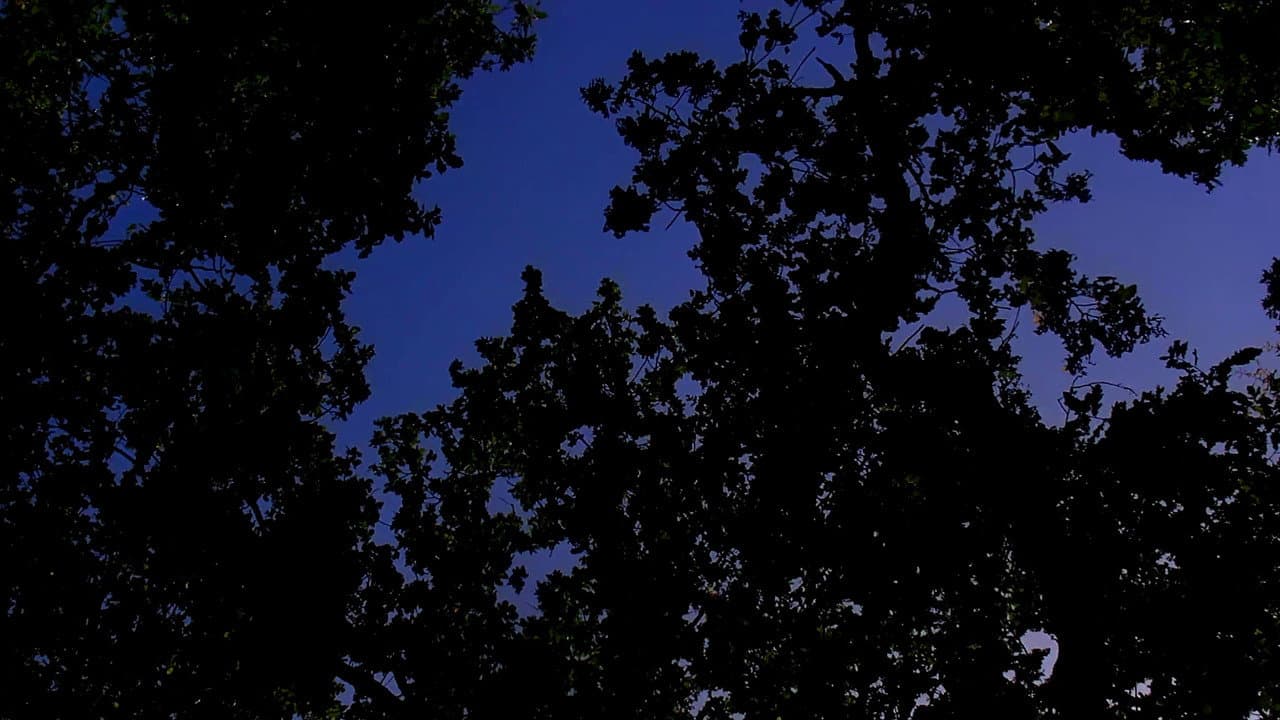
A man walks into a forest and doesn't come back to civilization. That's the entire pitch of François d'Assise ou la soumission aux arbres — a 2026 film from Canadian producer Femme Burger Inc that abandons everything we expect from saint biopics. No miracles. No robes. No speeches about poverty and stigmata. Just a Francis-like figure learning to disappear into trees until the distinction between prayer and photosynthesis stops mattering.
The film arrives at a genuinely strange cultural moment. In October 2025, La Croix reported that Saint Francis's remains are being publicly exposed for the first time since his death in 1226 — an 800th-anniversary commemoration that gives this film an accidental promotional tailwind. That timing alone makes it worth watching for anyone curious how cinema's treating faith right now.
Why This Film Is Nothing Like 1961's Saint François d'Assise
Michael Curtiz made the last major French-language Francis film in 1961 — all reverent cinematography, swelling scores, meaning handed to you on a platter. This isn't that. What's striking about François d'Assise ou la soumission aux arbres is its refusal of explanation. The submission in the title isn't defeat—it's paying attention. Sustained, wordless attention to something larger than yourself. (And there's something almost aggressive about a 2026 film betting that audiences will sit still for that kind of slowness.)
The thing nobody mentions when discussing faith-based arthouse is how rarely it trusts silence. Most saint films can't resist the voiceover, the swelling moment where the camera pulls back and you understand the Meaning. This one doesn't blink. It just watches.
The Ecology Angle Nobody Else Has Tackled
Francis of Assisi has been the patron saint of ecology for decades, but cinema's been slow to actually put that at the center. Environmentalists quote him. Filmmakers footnote him. Movie OTT's database of faith-forward films shows how rarely the ecological reading gets serious treatment — it's usually wedged into a hagiography about stigmata or divine visions.
This film, produced by a company with no religious studio behind it and no commercial orthodoxy to serve, seems to be the first to treat Francis as an environmental text rather than a Catholic one. The forests aren't backdrop. They're the point. That distinction — small in theory, massive in practice — is what makes this worth tracking.
The apparent commitment to non-professional or low-profile casting suggests a textural, observational style closer to Bruno Dumont or early Terrence Malick. I keep coming back to that comparison because it matters: we're in the neighborhood of cinema that doesn't explain itself, that trusts the viewer to find the rhythm.
What We Actually Know About Cast, Runtime, and Availability
Here's what's concrete: Femme Burger Inc is a micro-budget Canadian outfit that doesn't do prestige filmmaking. The film carries no major stars in any verified database. It hasn't surfaced in major festival competition lineups. Its IMDb rating sits at 0/10 — not because critics hated it, but because the film's too new and too far outside the mainstream pipeline to have accumulated votes yet.
On streaming availability, it's currently on major OTT services, though platform access shifts by region. Here's where to find it:
- North America: Check Movie OTT's where-to-watch tracker for real-time platform breakdown
- France & EU: Availability varies weekly on smaller streaming services
- Subtitles: If you don't speak French, verify subtitle quality before committing — independent releases sometimes get sloppy localization
The widget at the top of this page refreshes location-specific listings automatically. Don't assume your default subscription covers it. Streaming something this spare in the wrong format genuinely tanks the experience.
Does It Work? (And Who Should Actually Watch It)
Honestly, that depends entirely on what you're willing to sit with. This isn't a crowd-pleaser. It's not designed to be. If you want narrative momentum, character development, or resolution — conventional filmmaking tools — you'll feel the absence. If you've connected with slow cinema before (the Lav Diaz films, late Tarkovsky, or even seasons of Slow Horses where the pacing becomes almost meditative), this is your register.
The film positions itself as almost anti-biographical. It doesn't care about Francis's conversion or his founding of an order. It cares about the moment after all that, when the structures fall away and you're just a body in proximity to other living things. That's a radical premise for 2026. Most filmmakers would turn it into a metaphor. This one lets it be literal.
If you liked The Ascent (Bresson's uncompromising faith film) or Uncle Boonmee Who Can Recall His Past Lives (Weerasethakul's meditation on presence and memory), you'll find something here. If you're coming for The Name of the Rose—forget it.
Frequently Asked Questions
Q: Where can I actually watch this?
On major OTT services, though which ones depends on your region. Use the where-to-watch widget for real-time, location-specific options. If it's not on your usual subscription, it's likely on a smaller platform in your country.
Q: Who's the lead?
No confirmed major actor. The film appears to use ensemble casting or non-professional performers, which fits its observational style.
Q: How long is it?
Runtime isn't listed in verified records yet. Given the production's micro-budget approach and its thematic commitment to slowness, expect something substantial—probably over 90 minutes.
Q: Is it actually good, or is this art-world nonsense?
That depends on whether you can sit with a film that refuses to explain itself. It's not a crowd-pleaser. It's a film for people who think silence in cinema is something to listen to, not fill.
Q: Why does it have a 0/10 rating on IMDb?
The rating reflects no accumulated votes, not critical failure. New independent films often sit at zero until enough viewers register opinions. Movie OTT will track any emerging critical conversation as the film finds its audience.
Q: Should I start with this or something else?
If you're new to slow cinema, start with Bresson's Au Hasard Balthazar or Koreeda's After the Storm. They're more forgiving. Come to François d'Assise once you've built the patience for it.
The Real Question: Why Make This Now?
The 800th-anniversary exposition of Francis's remains is part of it. But there's something else happening in 2026 cinema around faith and nature that's worth noticing. We're past the moment where environmental films need to preach. We're moving toward films that just are ecological—that treat non-human life not as metaphor but as subject. This film's on that frontier.
Worth your time if you've got the patience. Not a comfort watch. A genuine encounter with something unclassifiable.