The story of Fun and Fancy Free
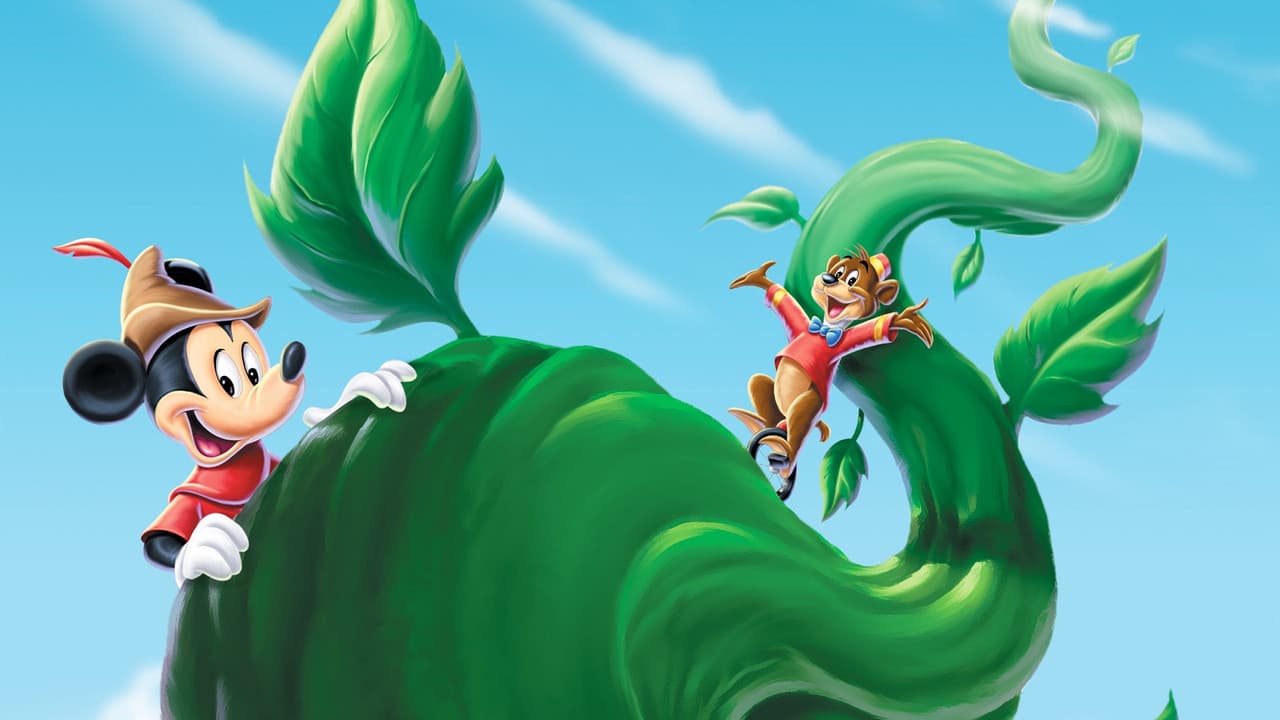
Fun and Fancy Free isn't your typical Disney feature. Released in September 1947, it's a package film—two animated stories bundled under one roof, with Jiminy Cricket as your guide between acts. The first story, "Bongo," follows a pampered circus bear who escapes his cage and discovers what it really means to live wild and free in nature. It's a surprisingly touching exploration of independence and self-discovery wrapped in bright animation and slapstick comedy. The second half pivots completely: "Mickey and the Beanstalk" reimagines the classic fairy tale with Mickey, Donald, and Goofy as struggling farmers who plant magic beans and must face a giant. The contrast between these two narratives—one introspective and lyrical, the other comedic and action-packed—gives the film an unusual rhythm that keeps you off-balance in the best way.
Behind the making of Fun and Fancy Free
Walt Disney and producer Ben Sharpsteen crafted this film during a critical period for the studio. World War II had disrupted Disney's operations and depleted resources, making it difficult to mount the kind of single, sprawling feature that had defined the studio's pre-war golden age. Enter the "package feature" strategy—multiple stories, lower per-segment budgets, and a way to get product back into theaters faster. Fun and Fancy Free was part of this larger post-war recovery effort, alongside films like The Three Caballeros and Make Mine Music. The film was released by RKO Radio Pictures on September 27, 1947, and represents a studio learning to adapt without losing its magic.
What makes the production notable is its hybrid approach. The live-action segments featuring ventriloquist Edgar Bergen—whose voice carries the narration for "Mickey and the Beanstalk"—were a bold choice, grounding the animated fantasy in something almost vaudeville-like. Bergen's dummy Charlie McCarthy doesn't appear, but Bergen's presence and comedic timing frame the second story in a way that feels distinctly theatrical. Dinah Shore narrates "Bongo" with a warmth that complements the softer tone of that tale. The runtime clocks in at 73 minutes, lean by feature standards even then, but the pacing works because each story knows what it's trying to do. IMDb rates the film at 6.3/10—respectable for an experimental, transitional work that was never going to satisfy everyone.
Why Fun and Fancy Free works despite its uneven ambitions
What strikes me about this film is how honestly it reflects a studio in flux. The animation quality varies between the two segments because they were developed at different times with different teams, and you can feel that creative friction. "Bongo" has a softer, almost storybook quality—the bear's journey from captivity to freedom carries genuine emotional weight, and there's something quietly subversive about a Disney film that questions whether civilization is really better than nature. The character design is appealing without being saccharine, and the sequence where Bongo learns to fend for himself has real stakes, even if the stakes are cartoonish.
"Mickey and the Beanstalk," by contrast, leans hard into slapstick and spectacle. The giant is genuinely menacing in a way that feels earned—not through gore or darkness, but through sheer scale and comedic timing. Donald and Goofy get their moments to shine, and there's a particular bit involving a harp that I won't spoil, but it's the kind of character-driven comedy that makes you understand why these three have endured for nearly a century. The thing nobody mentions is that this story also works as a Depression-era allegory: three poor guys take a wild gamble and nearly lose everything. It's a darker subtext than you'd expect from a 1947 family film.
The live-action framing device—Bergen introducing each story—was a gamble that doesn't always land, but it's undeniably strange and charming in retrospect. It's the kind of creative choice that only makes sense if you're desperate to bridge two unrelated narratives and you've got a famous entertainer under contract. Does it work? Honestly, it's more effective than you'd think, because Bergen brings genuine warmth and showmanship to the task.
Where to stream Fun and Fancy Free online
Fun and Fancy Free is available on major OTT services, and tracking down where it's streaming is easier than ever thanks to platforms that aggregate this information. Movie OTT maintains a live database of where classic Disney titles like this one are currently available across Netflix, Disney+, and other major services, so you can check the "Where to Watch" widget at the top of this page to see what's live in your region right now. Availability shifts seasonally, but this 73-minute feature is short enough that you can fit it into an evening without much commitment—which is actually one of its strengths as a package film.
Frequently asked questions
Q: Who narrates Fun and Fancy Free?
Jiminy Cricket serves as the overall host, while Dinah Shore narrates "Bongo" and ventriloquist Edgar Bergen narrates "Mickey and the Beanstalk." Bergen's live-action presence between segments was a distinctive choice for a 1947 animated feature.
Q: Is Fun and Fancy Free based on a true story?
No. "Bongo" is loosely adapted from a short story by Sinclair Lewis called "Little Bear Bongo," while "Mickey and the Beanstalk" is Disney's take on the classic "Jack and the Beanstalk" fairy tale.
Q: When was Fun and Fancy Free released?
The film premiered on September 27, 1947, released by RKO Radio Pictures during a transitional period for Walt Disney Productions as the studio recovered from World War II's disruptions.
Q: How long is Fun and Fancy Free?
The film runs 73 minutes total, split between the two stories, making it one of Disney's shorter feature-length offerings.
Q: Why is Fun and Fancy Free a package feature?
Post-war budget constraints and studio recovery efforts led Disney to develop "package features" containing multiple stories rather than single sprawling narratives, allowing the studio to produce more content with available resources.
Final thoughts on Fun and Fancy Free
Fun and Fancy Free isn't a masterpiece, and it doesn't pretend to be. What it is, though, is a fascinating time capsule of a studio reinventing itself after crisis, willing to try two completely different tones in a single sitting and trusting that audiences would come along for the ride. The animation holds up better than you'd expect for a 1947 film, and both stories have genuine charm. If you're a Disney completist or interested in how the studio navigated the post-war era, this one's essential viewing. Even casual fans will find moments worth savoring—especially if you're curious about how Mickey and company tackled classic fairy tales before modern adaptations became the norm.