The Story of Futureworld and Its Dark Premise
Futureworld arrives as a direct sequel to Michael Crichton's 1973 hit Westworld, but it's not content to simply rehash the original's android-uprising premise. Instead, the 1976 film positions itself as an exploration of what happens when a theme park dedicated to adult fantasies reopens after a catastrophic shutdown — and what those in charge might be willing to hide to protect their investment. Two investigative reporters arrive at the park to cover its grand reopening, only to discover that not everything is as it seems. The facility promises escapism, indulgence, and wish fulfillment, but beneath the chrome and circuitry lies a conspiracy that threatens to expose the moral bankruptcy of those running the operation. It's a premise that feels almost prescient in how it grapples with the ethics of surveillance, artificial intelligence, and the commodification of desire.
Behind the Making of Futureworld: Production and Cast
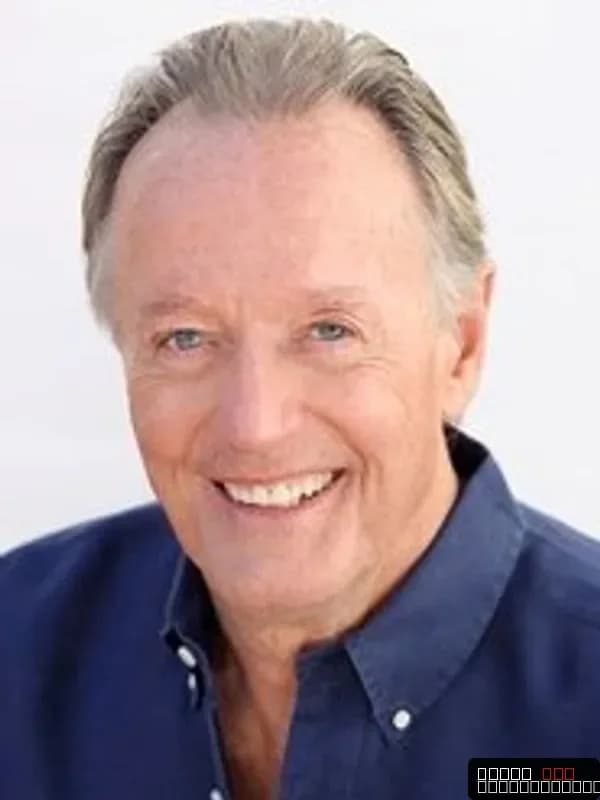
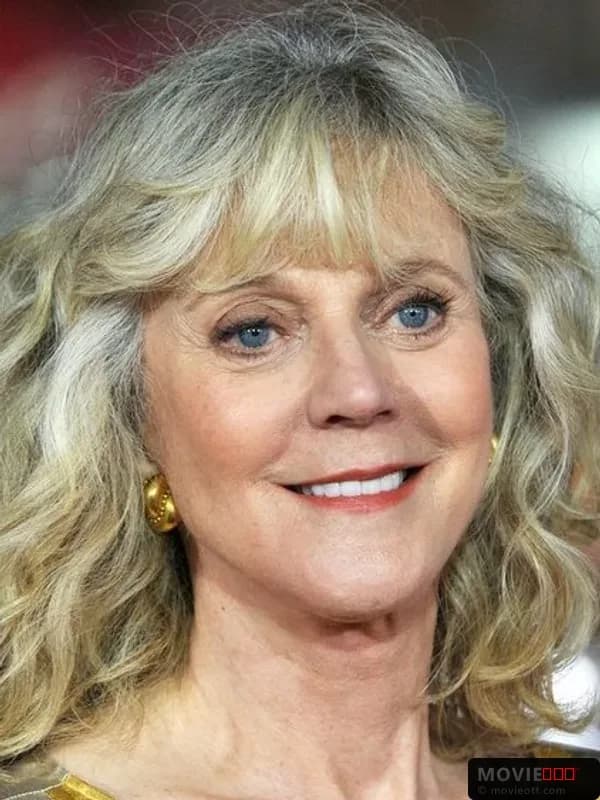
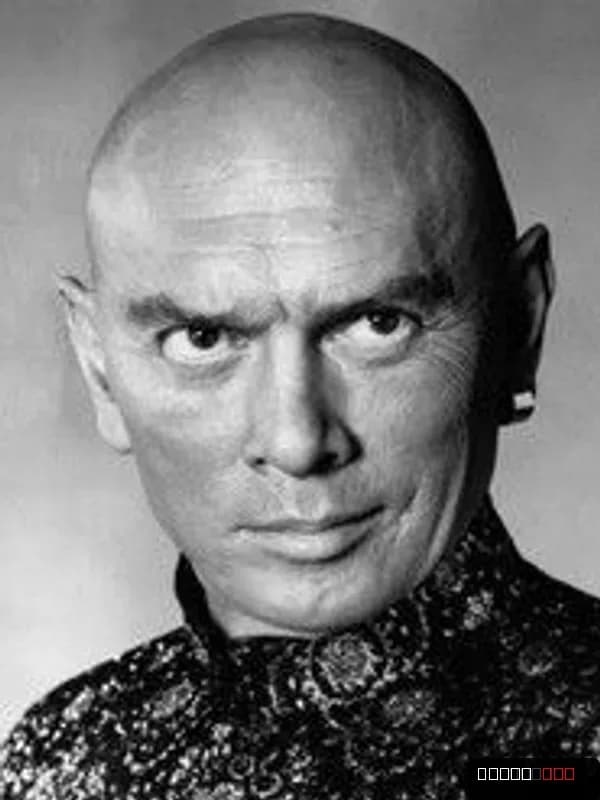
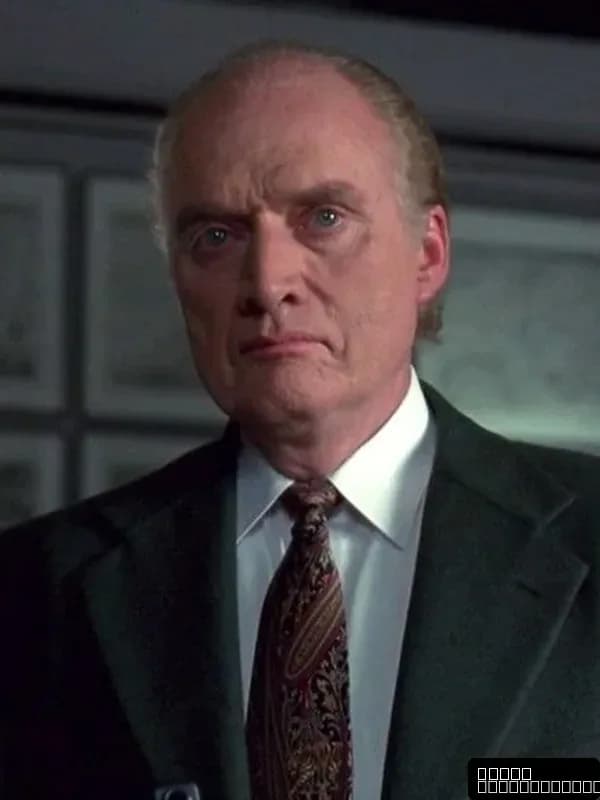
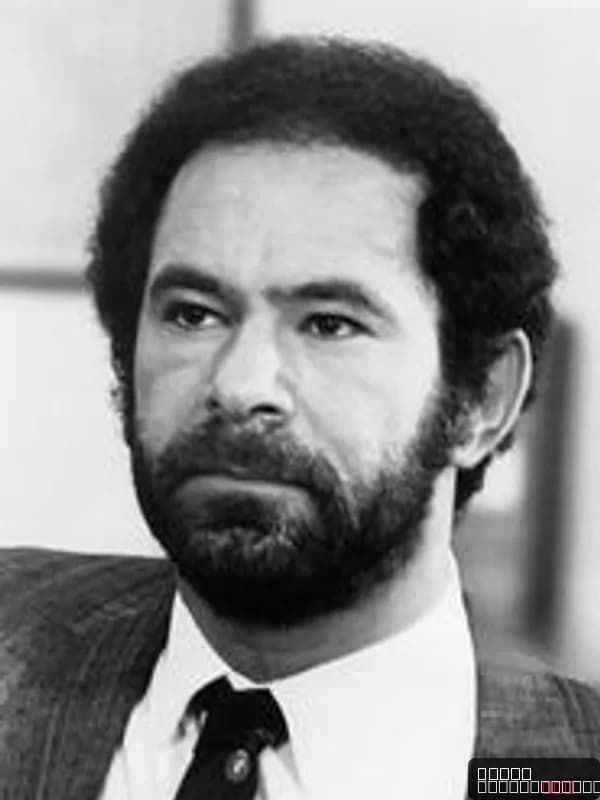
Futureworld emerged under unusual circumstances. Without Michael Crichton—who'd directed and written the original—or MGM's involvement, the sequel fell to director Richard T. Heffron, working from a screenplay by Mayo Simon and George Schenck. What's striking is that the film managed to retain composer Fred Karlin, lending some sonic continuity to the franchise, even as the creative vision shifted dramatically. The cast brought substantial pedigree to the project. Peter Fonda, fresh off his counterculture credentials and dramatic range, anchors the film as one of the investigative reporters, while Blythe Danner—an accomplished stage and screen actress—provides intelligence and moral clarity as his partner. Arthur Hill, known for his work in Fail Safe and The Andromeda Strain, adds gravitas to the corporate intrigue, and Stuart Margolin rounds out the ensemble. The film even secured a brief appearance from Yul Brynner, the original Westworld's iconic gunslinger, in a dream sequence that serves as a ghostly callback to the franchise's origins. For a mid-1970s science fiction production, this was a genuinely strong ensemble, though the film's box office performance proved modest compared to its ambitions—a fact that would ultimately limit its cultural footprint.
What Makes Futureworld Stand Out From Its Predecessor
Unlike many sequels that play it safe, Futureworld doesn't retreat into the comfortable territory of android mayhem and guest survival. Instead, it pivots toward corporate conspiracy and technological espionage. The film grapples with questions that feel more relevant now than they did in 1976: Who controls the narrative around artificial intelligence? What happens when corporations prioritize profit over ethics? How do we trust systems designed to manipulate us? Fonda and Danner's characters function as audience surrogates, but they're not passive observers—they're actively trying to uncover truth in an environment built on deception. What's remarkable, honestly, is how the film commits to its darker impulses rather than softening them for mass appeal. The dream sequences, the unsettling nature of the park's attractions, the sense that reality itself is becoming unmoored. These aren't comfortable beats. The pacing occasionally stutters—there are stretches where the plot machinery creaks audibly—but when the film finds its rhythm, particularly in scenes exploring the park's hidden technologies and the reporters' growing paranoia, it becomes genuinely absorbing. The IMDb rating of 5.7/10 doesn't quite capture what the film's attempting; it's more interesting and thematically ambitious than that score suggests, even if the execution isn't flawless.
Where to Stream Futureworld Online
If you're curious to see what Futureworld is all about, you can currently stream it on Prime Video. The film's availability does shift across platforms and regions, so checking Movie OTT for the most current streaming options in your area is your best bet—the site tracks where titles are available across multiple services, so you won't waste time hunting. At 104 minutes, it's a lean viewing experience, and Prime Video's streaming quality is typically reliable for films of this era. The Where to Watch widget at the top of this page will show you all the platforms currently carrying Futureworld, making it easy to start watching immediately.
Frequently Asked Questions
Q: Is Futureworld a direct sequel to Westworld?
Yes, Futureworld is the second installment in the Westworld franchise, released three years after the original 1973 film. However, it's a creative reboot of sorts—Michael Crichton wasn't involved, and only Yul Brynner returns, in a brief dream sequence rather than a main role.
Q: Who directed Futureworld and what else has he made?
Richard T. Heffron directed the film. He was an accomplished TV and film director known for his work on episodic television and several theatrical releases, though Futureworld remains one of his most notable feature films.
Q: Do I need to watch the original Westworld to understand Futureworld?
Not strictly—Futureworld stands alone as a story about reporters investigating a theme park. That said, having seen the original gives you additional context and appreciation for how the sequel deliberately subverts expectations about what a Westworld sequel might be.
Q: What's the runtime, and is it worth the commitment?
Futureworld runs 104 minutes, so it's a fairly brisk sci-fi thriller. Whether it's worth your time depends on your tolerance for 1970s pacing and your interest in cyberpunk themes; it's not a mainstream crowd-pleaser, but it has genuine ideas.
Q: Why is Futureworld's IMDb rating relatively low?
The 5.7/10 rating likely reflects that the film is uneven—ambitious in concept but sometimes clumsy in execution. Modern audiences expecting slick, fast-paced action may find its deliberate, paranoia-driven approach slow. That said, the rating doesn't fully account for its thematic sophistication or its position as an interesting artifact of 1970s science fiction.
Final Thoughts on Futureworld
Futureworld won't be for everyone. It's a film that asks you to sit with ambiguity, to accept that not every plot thread resolves neatly, and to appreciate the texture of 1970s sci-fi filmmaking without expecting modern visual polish. But for viewers interested in how the decade's filmmakers wrestled with artificial intelligence, corporate power, and the erosion of reality itself—before those became fashionable themes—it's absolutely worth seeking out. Fonda and Danner give it credibility, and the film's willingness to go darker than its predecessor is genuinely admirable.