









The story of Gideon's Trumpet
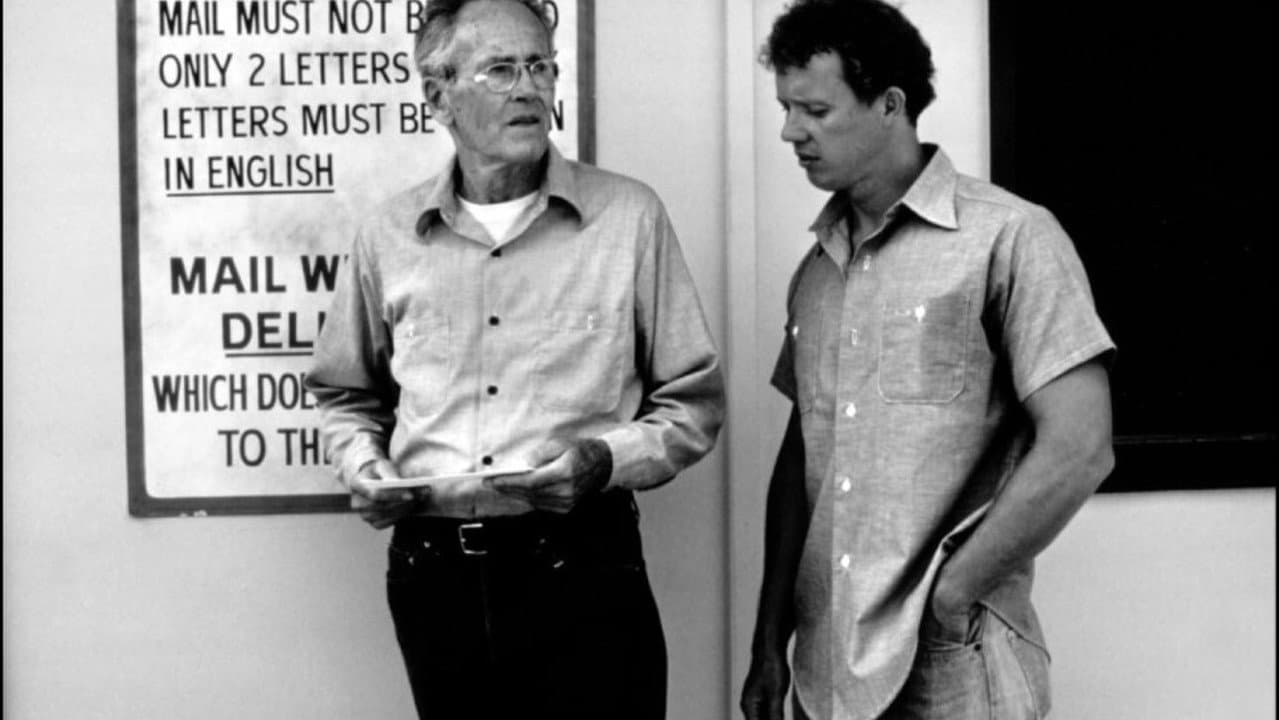
Gideon's Trumpet tells the remarkable true story of Clarence Gideon, an ordinary man who took on the U.S. legal system and won—not through wealth or connections, but through sheer determination and a handwritten petition. Accused of breaking into a pool hall in Panama City, Florida, Gideon couldn't afford a lawyer and the court refused to appoint one. Rather than accept this injustice, he fought back. What unfolds is a portrait of one person's refusal to disappear quietly into the machinery of the law. The film doesn't just chronicle a case—it captures the human cost of legal inequality and the audacity it takes to challenge a system designed to work against people like him. At just 104 minutes, this 1980 made-for-television drama packs the emotional weight of a feature film, grounding a landmark Supreme Court decision in the lived experience of the man who made it possible.
Behind the making of Gideon's Trumpet
Gideon's Trumpet was produced by Gideon Productions and Worldvision Enterprises, adapting the acclaimed biographical work by Anthony Lewis—a Pulitzer Prize-winning journalist whose book brought the Gideon v. Wainwright case to a wider audience. The filmmakers faced the challenge of translating a legal and historical narrative into something visceral and human, which they accomplished by centering the story on Gideon himself rather than getting lost in courtroom procedural details. The cast brought credibility to the material, with performances grounded enough to feel like documentary realism without sacrificing dramatic tension. As a television movie, it operated within the constraints of 1980s broadcast standards and budgets—constraints that often forced tighter storytelling. The film arrived during a moment when American television was beginning to take on more serious historical and social subjects, and Gideon's Trumpet fit squarely into that trend. While it didn't generate blockbuster box office numbers (it was a TV premiere, after all), it found an audience among viewers interested in law, history, and stories of ordinary people fighting extraordinary battles. On IMDb, it holds a 6.375 rating, reflecting a solid appreciation for its earnest approach to the material, even if some viewers found it a bit dated in its presentation.
What makes Gideon's Trumpet stand out
What's striking about Gideon's Trumpet is how it refuses to make the Supreme Court case feel distant or abstract. Instead of spending half the runtime in the marble halls of the nation's highest court, the film keeps you in Gideon's shoes—confused, frustrated, determined. The performances carry the weight of that perspective. There's no grandstanding, no actor trying to "elevate" the material with theatrical flourishes. That restraint is actually what makes it work. The thing nobody mentions is how much of the film's power comes from what it doesn't show—the countless other people sitting in cells who couldn't afford representation, the system's casual cruelty that went unquestioned before Gideon asked why. I keep coming back to how the film treats the legal arguments themselves. Rather than dumbing them down or making them feel like homework, the screenplay finds the moral clarity underneath the procedural language. When Gideon's case reaches the Supreme Court, it doesn't feel like a triumph of rhetoric—it feels like a triumph of simple, undeniable truth finally being heard by people with the power to act on it. The film's pacing builds toward that moment with quiet inevitability, letting tension accumulate through Gideon's own growing understanding of what he's actually fighting for, which turns out to be much bigger than his own freedom.
Where to stream Gideon's Trumpet online
Gideon's Trumpet is available on major OTT services, and you can check the Where to Watch widget at the top of this page to see exactly which platforms are currently streaming it in your region. Availability shifts periodically as licensing agreements renew, so Movie OTT keeps that information updated so you don't have to hunt across five different apps. Since it's a 1980 television movie, you'll find it on services that specialize in classic TV and historical dramas—the kind of platforms that recognize this film's place in both legal and television history. Whether you're streaming on a weeknight or planning a documentary-style movie night, the 104-minute runtime makes it easy to fit into your schedule without the commitment of a longer feature film.
Frequently asked questions
Q: Is Gideon's Trumpet based on a true story?
Yes, absolutely. The film is based on Anthony Lewis's biography of the same name and dramatizes the real events of the 1963 Supreme Court case Gideon v. Wainwright, which established that criminal defendants have the right to court-appointed counsel if they can't afford a lawyer. The case fundamentally changed American criminal justice.
Q: Who directed Gideon's Trumpet?
The film was directed by John Badham, a veteran television and film director known for his work across drama and thriller genres. Badham brought a documentary-like sensibility to the material, focusing on character and moral clarity rather than melodrama.
Q: What happened to Clarence Gideon after the Supreme Court case?
After winning his case at the Supreme Court, Gideon was retried with a lawyer present and was acquitted. The Supreme Court's decision in his favor established a principle that transformed the American legal system, guaranteeing legal representation to those who cannot afford it—a right that remains foundational to criminal justice today.
Q: How long is Gideon's Trumpet?
The film runs 104 minutes, making it a tight, focused drama that doesn't waste time but also doesn't feel rushed. That length allows the story to breathe while maintaining momentum toward its climax.
Q: What impact did Gideon v. Wainwright have on the legal system?
The 1963 Supreme Court decision in Gideon v. Wainwright established that the Sixth Amendment right to counsel applies to all criminal defendants who cannot afford to hire a lawyer. This ruling was implemented nationally and has influenced legal systems globally, becoming one of the most important criminal justice decisions in American history.
Final thoughts on Gideon's Trumpet
Gideon's Trumpet works best if you come to it expecting something honest rather than flashy. It's a film about the power of persistence, about one man's refusal to accept injustice as inevitable. The 1980 production values might feel dated now, but that actually serves the story—there's no slick veneer to hide behind, just the raw human struggle at the heart of the case. If you're interested in legal history, American civil rights, or simply well-told stories about ordinary people doing extraordinary things, this one's worth your time.