The Story of Gintama 2: Rules are Made to Be Broken
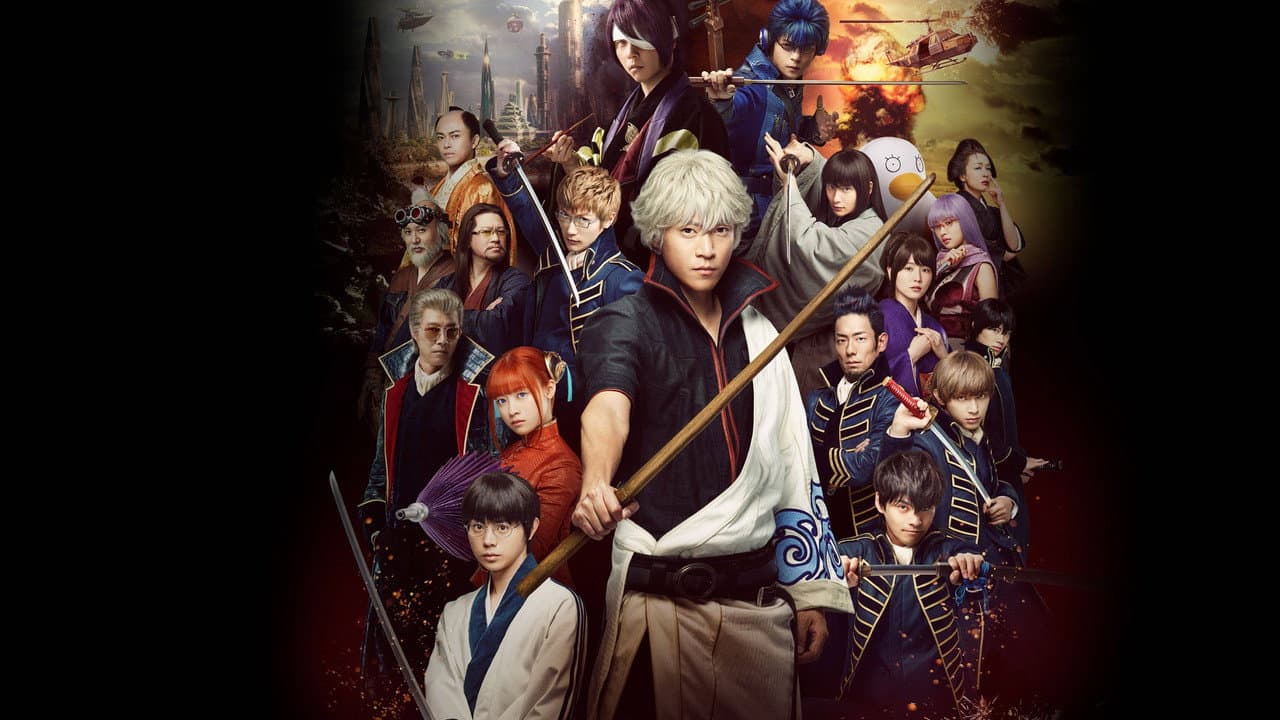
Gintama 2: Rules are Made to Be Broken picks up where the first live-action film left off, reuniting the Yorozuya — a scrappy band of freelancers, swordsmen, and troublemakers who operate in a sci-fi version of Edo-period Japan. The premise is delightfully absurd: when the Shinsengumi, the country's elite police force, finds itself in crisis, the responsibility to protect the shogun falls to this unlikely crew of misfits who'd rather be eating parfaits than saving the nation. The film doesn't take itself seriously, and that's precisely the point. At 134 minutes, it's got room to breathe — room for both sprawling action sequences and the kind of character-driven humor that made the original manga (which ran for over two decades) beloved by fans worldwide. You're not signing up for a traditional samurai epic here; you're walking into controlled chaos wrapped in sword fights and ridiculous dialogue.
Behind the Making of Gintama 2: Rules are Made to Be Broken
Bringing Gintama 2 to the screen required coordination across an impressive roster of production companies: Warner Bros. Japan, Shueisha, TV Tokyo, Tristone Entertainment, BN Pictures, dentsu, Aniplex, Bandai, Marui Group, GYAO, TOP COAT, and Plus D all had a hand in the project. That's a lot of stakeholders — which, honestly, makes the fact that the film shipped at all something of a miracle. The live-action adaptation was directed by Yuichi Fukuda, who understood that fidelity to the source material meant capturing tone and chaos rather than slavishly recreating panels. The 2018 release date placed it squarely in the middle of a live-action anime boom in Japan, when studios were testing whether beloved manga and anime properties could translate to flesh-and-blood actors on screen. The IMDb rating of 6.4 out of 10 from 1,287 votes suggests the film found its audience — not a universal smash, but solid enough that fans of the franchise showed up. Box office performance in Japan was respectable, though international distribution remained limited, which is typical for live-action anime adaptations that haven't yet broken into the mainstream Western consciousness the way some anime properties have in recent years.
What Makes Gintama 2: Rules are Made to Be Broken Stand Out
What's striking is how the film manages to juggle tonal whiplash without falling apart. One scene you're watching a genuinely tense confrontation between the Shinsengumi and a shadowy threat to the shogun's life; the next, someone's making a joke about food or love life that lands somewhere between absurdist humor and character development. The cast — led by actors who'd become familiar faces in Japanese cinema — commit fully to the material without winking at the camera, which is the only way this kind of comedy works. You can't play it cool when you're delivering lines about protecting a leader who'd rather be anywhere else. That earnestness underneath the absurdity is what separates Gintama from being just another joke-a-minute slog. The action choreography is competent, sometimes better than that — the sword work has weight to it, even when the scene's surrounded by comedic nonsense. There's a real craft on display here, a willingness to spend money on stunt coordination and practical effects rather than relying entirely on CGI. The film doesn't pretend to be high art, but it's not cynical either. It's made by people who actually care about the source material and understand why fans love these characters.
How to Stream Gintama 2: Rules are Made to Be Broken
Gintama 2: Rules are Made to Be Broken is available across major OTT services, which means you've got options depending on your existing subscriptions. Check the Where to Watch widget at the top of this page to see which platform currently has it in your region — streaming rights shift constantly, and Movie OTT tracks those changes so you don't have to hunt around. If you're already subscribed to one of the major services, there's a solid chance it's already available to you without an additional rental or purchase. The 134-minute runtime makes it a solid evening commitment, so it's worth queuing up when you've got time to sit with it rather than treating it as background noise. One advantage of streaming versus theatrical: you can pause for a laugh, rewind if you missed a joke, and watch it however many times you need to catch all the references baked into the script.
Frequently asked questions
Q: Is Gintama 2: Rules are Made to Be Broken a sequel, and do I need to watch the first film?
Yes, it's the second live-action film in the series. While you could technically jump in here, the first film introduces the Yorozuya crew and their dynamic, so you'll get more out of the experience if you've seen it first. The humor and character beats land harder when you know who these people are.
Q: Is Gintama 2: Rules are Made to Be Broken based on the manga?
It's based on the long-running manga series Gintama, which also spawned a successful anime. The live-action film adapts storylines and characters from the source material, though it takes creative liberties with pacing and specific plot points.
Q: What's the runtime, and is it worth the full 134 minutes?
It runs 134 minutes, which gives the film room for both action sequences and character comedy. Whether it justifies that length depends on your tolerance for the franchise's particular brand of humor — if you're into it, the time flies; if you're not, it might feel padded.
Q: What's the IMDb rating for Gintama 2: Rules are Made to Be Broken?
The film has a 6.4 out of 10 rating on IMDb from 1,287 votes, indicating it found a dedicated audience among fans while not achieving universal critical acclaim.
Q: Where can I watch Gintama 2: Rules are Made to Be Broken right now?
Check the Where to Watch widget at the top of this page for current availability on major OTT platforms. Movie OTT keeps that information updated in real time across different regions and services.
Final Thoughts on Gintama 2: Rules are Made to Be Broken
Gintama 2: Rules are Made to Be Broken isn't trying to convert skeptics or win over people who think anime adaptations are inherently doomed. It's made for the people who already love this franchise, and it delivers on that promise with genuine affection for its source material and commitment to the bit. The blend of action, comedy, and character work feels earned rather than forced. If you're looking for a samurai film that takes itself seriously, this isn't it — but if you want a live-action adaptation that understands why people fell in love with these characters in the first place, it's absolutely worth your time.