




The story of Godzilla: Tokyo S.O.S. and its moral reckoning
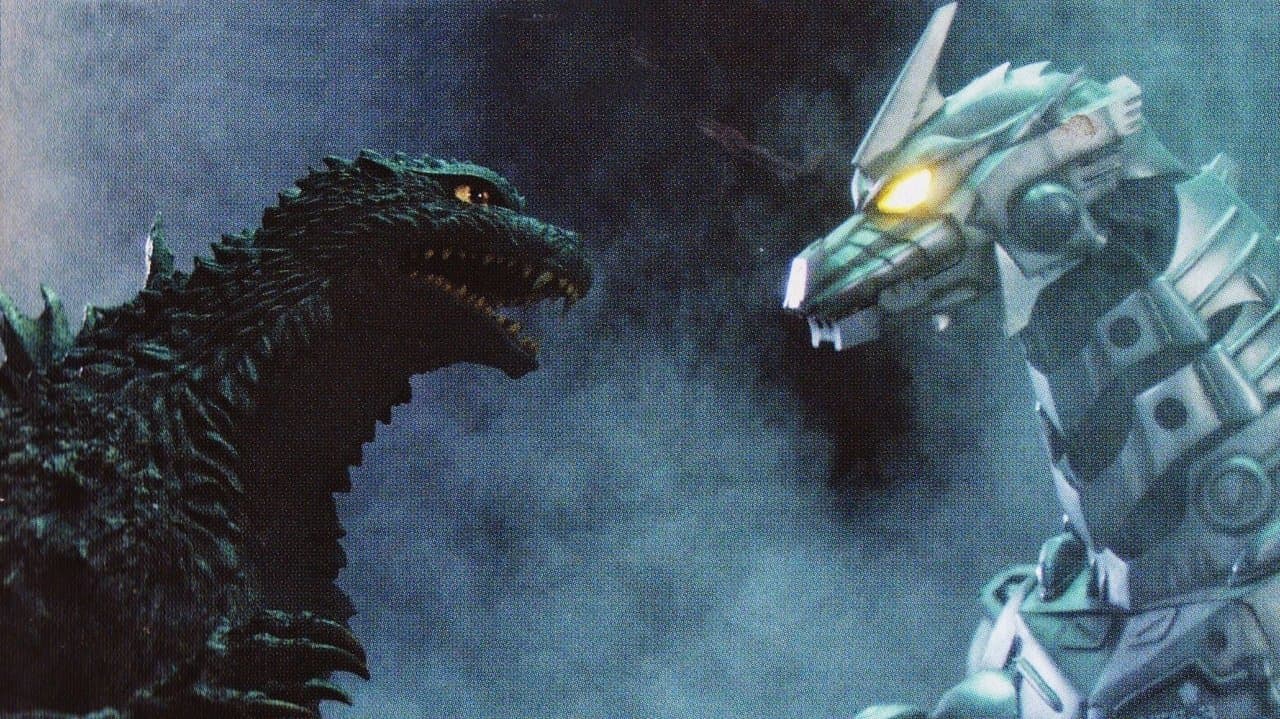
Godzilla: Tokyo S.O.S. opens with a premise that's almost Shakespearean in its simplicity: the dead should rest. Set one year after Kiryu—a mechanical Godzilla constructed from the skeleton of the original monster—saved Tokyo, this 2003 film asks what happens when a nation weaponizes the bones of the fallen. The Shobijin, the tiny fairies who've long served as Mothra's messengers, return to Japan with an urgent warning: the first Godzilla's remains must be returned to the sea, or consequences will follow. It's a supernatural debt collector knocking on the door. Meanwhile, Godzilla itself has survived, lurking in the depths, and Japan's military sees no choice but to deploy Kiryu once more. What unfolds is a three-way collision between mechanical guardian, natural catastrophe, and the supernatural guardians of equilibrium—a tense 91-minute meditation on whether humanity can ever be trusted to handle the forces it unleashes.
Behind the making of Godzilla: Tokyo S.O.S. and its place in the Millennium series
Director Masaaki Tezuka and special effects supervisor Eiichi Asada inherited the Millennium-era Godzilla continuity at a moment when the franchise was still finding its footing in the 2000s. This is the 28th official Godzilla film and the fifth in the Millennium collection, released by Toho Pictures in 2003 with a runtime of 91 minutes. The film functions as a direct sequel to Godzilla Against Mechagodzilla, which meant Tezuka couldn't simply restart the narrative—he had to deepen it. The production design reflects this: the miniature work is meticulous, the air base sequences feel lived-in, and the submarine scenes carry real tension. What's striking is how the filmmakers balanced franchise obligations with genuine thematic ambition. The Shobijin return isn't just fan service; their presence reintroduces a spiritual dimension that had been dormant. The film earned a 7.182 IMDb rating from viewers who clearly appreciated both the spectacle and the underlying philosophical conflict. It's the kind of sequel that doesn't just repeat what worked before—it questions whether what worked was actually right.
What makes Godzilla: Tokyo S.O.S. stand out as a kaiju meditation
Where many monster films treat giant creatures as pure spectacle, this one treats them as symbols with weight. The relationship between Kiryu and Godzilla isn't just about two titans trading blows; it's about whether a constructed thing—a giant robot built from the dead—can ever truly protect what it was meant to defend. Audience members have noted that the film's first act closes with a delightful musical number performed by the Shobijin twins, a moment that shifts the tone entirely, pumping energy into the narrative while simultaneously grounding us in the film's fairy-tale logic. That's the film's greatest strength: it doesn't apologize for mixing the mythic with the mechanical. The human characters—military officers, pilots, the Chujo family who serve as moral anchors—aren't sidelined; they're wrestling with impossible choices. I keep coming back to how the film uses its 91 minutes so efficiently, never wasting a scene, always layering the action sequences with dialogue that matters. The ejector seat escapes, the air base evacuations, the submarine sequences—they're all shot with real craft, not just as filler between monster fights. The IMDb community clearly sees this too, rating it solidly in the 7-point range, which for a kaiju film suggests something more than nostalgia is at work here.
Where to stream Godzilla: Tokyo S.O.S. online
Godzilla: Tokyo S.O.S. is currently available across major OTT services, and Movie OTT tracks real-time streaming availability so you don't have to hunt across five different apps. The film's 91-minute runtime makes it a perfect fit for a weeknight watch—it respects your time while delivering genuine spectacle. If you're already subscribed to major streaming platforms, there's a solid chance it's already in your queue. The Where-to-Watch widget at the top of this page shows exactly which services are carrying it right now in your region, so you can jump straight to watching without the guesswork. Movie OTT's streaming tracker updates daily, which matters for a 20-year-old film that tends to rotate between services depending on licensing windows.
Frequently asked questions
Q: Is Godzilla: Tokyo S.O.S. a standalone film or do I need to watch the previous movie?
It's a direct sequel to Godzilla Against Mechagodzilla (2002), so watching that film first will give you crucial context about Kiryu and why Japan built a mechanical monster in the first place. That said, the film does enough exposition work that you can follow the core conflict even as a newcomer—the Shobijin's warning is clear enough on its own.
Q: Who directed Godzilla: Tokyo S.O.S.?
Masaaki Tezuka directed the film, with special effects crafted by Eiichi Asada. Both brought a visual sophistication to the Millennium-era Godzilla films that elevated them beyond simple monster-destruction spectacles.
Q: What is the runtime and is this part of the larger Godzilla franchise?
The film runs 91 minutes and is the 28th entry in the Godzilla franchise overall, specifically the fifth film in the Millennium series produced by Toho Pictures. It's woven into a continuous narrative continuity, not a standalone reboot.
Q: What's the deal with the Shobijin and Mothra in this film?
The Shobijin are tiny fairies who serve as Mothra's messengers and have appeared throughout Godzilla lore as voices of natural order. Here, they return to warn Japan that using Kiryu—built from the original Godzilla's skeleton—violates the natural balance and must be stopped. Mothra becomes the film's moral counterforce.
Q: Where can I watch Godzilla: Tokyo S.O.S. right now?
Check the Where-to-Watch widget at the top of this page for current availability on streaming services in your region. Movie OTT updates these listings daily across all major platforms.
Final thoughts on Godzilla: Tokyo S.O.S.
This film works because it refuses to let spectacle override meaning. The giant robot battles are thrilling, sure. But what lingers is the question at the heart of the story: can humanity ever be trusted with power over death itself? The Shobijin's warning isn't just a plot device—it's the film's actual thesis. If you're a kaiju fan, this is essential. If you're just looking for a smart science fiction film that takes its themes seriously, don't overlook it. Ninety-one minutes of genuine craft.