
The story of Going Clear: Scientology and the Prison of Belief
Going Clear: Scientology and the Prison of Belief is a 119-minute documentary that pulls back the curtain on one of America's most secretive organizations. Director Alex Gibney doesn't sensationalize—instead, he lets the people who lived inside the Church speak for themselves. Former high-ranking members, including actor Paul Haggis and Jason Beghe, recount their experiences with a clarity that's both compelling and deeply unsettling. The film moves methodically through Scientology's origins, its rise in Hollywood, and the mechanisms of control that kept members bound to the organization. What emerges isn't a hit piece but something more damaging: a portrait of how belief systems can be weaponized, and how smart, accomplished people can find themselves trapped.
Behind the making of Going Clear: Scientology and the Prison of Belief
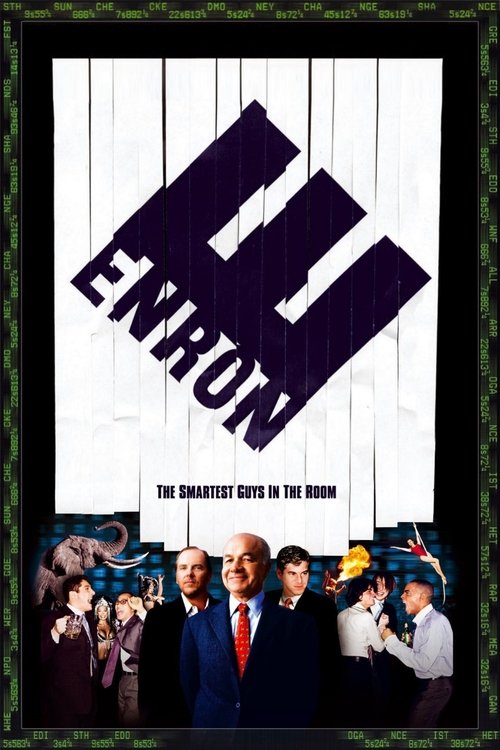
Going Clear arrived in 2015 as an HBO production based on Lawrence Wright's 2013 book of the same name—itself a Pulitzer Prize finalist. Gibney, an Oscar-winning documentarian known for his investigative rigor (he'd previously directed Enron: Smartest Guys in the Room), spent years conducting interviews and gathering evidence. The film premiered at the 2015 Sundance Film Festival and immediately became a cultural flashpoint. Critics and industry observers took notice fast. The documentary went on to earn seven Emmy nominations, winning three including Outstanding Documentary—a remarkable achievement for a work tackling such a controversial subject. It also claimed a 2015 Peabody Award and the Writers Guild of America Award for Best Documentary Screenplay, cementing its status as essential nonfiction cinema. The cast of interview subjects reads like a roster of Scientology's most visible defectors: Haggis, who co-wrote Million Dollar Baby; Beghe, known from Chicago P.D.; and Sherry Stringfield, from ER. Even Katie Holmes and Nancy Cartwright appear in archival footage or are referenced, their connections to the church illustrating Scientology's deep reach into entertainment. Movie OTT tracks where documentaries like this one are currently streaming, making it easier to find acclaimed nonfiction work across platforms.
What makes Going Clear: Scientology and the Prison of Belief stand out
The film's power lies not in dramatic reenactments or sensational editing—Gibney strips all that away. Instead, what's striking is the methodical accumulation of testimony. You hear from people describing the same practices, the same emotional manipulation, the same financial pressures, and the pattern becomes undeniable. Haggis, in particular, carries much of the emotional weight; his account of why he finally left—a letter rejecting the church's homophobic stance—feels genuinely anguished. The documentary doesn't rely on outrage. It trusts the audience to draw conclusions. That restraint is what makes it so effective. Gibney structures the narrative to move backward and forward in time, examining Scientology's founder L. Ron Hubbard, the church's institutional practices, and the personal costs of membership. There's a moment where former members describe "disconnection"—the practice of severing ties with family members who leave or criticize the organization—and the human devastation becomes impossible to ignore. The film also smartly contextualizes why Scientology thrives in Hollywood: the promise of self-improvement, the allure of exclusive community, the celebrity endorsements. It's not hard to see how intelligent people bought in. That's what makes the film genuinely unsettling—it doesn't paint members as dupes, but as people who were systematically manipulated by a system designed to exploit their hopes.
Where to stream Going Clear: Scientology and the Prison of Belief online
You can currently watch Going Clear: Scientology and the Prison of Belief on Prime Video. The film is available to stream there, making it accessible to millions of subscribers. If you're browsing for documentaries that tackle institutional power and belief systems, this remains one of the most rigorous examples—and one that holds up remarkably well nearly a decade after its release. Check the Where to Watch widget at the top of this page for the most current availability across all platforms. Movie OTT keeps that information updated as streaming rights shift, so you'll always know where to find it.
Frequently asked questions
Q: Is Going Clear: Scientology and the Prison of Belief based on a true story?
Yes. The documentary is based on Lawrence Wright's 2013 non-fiction book of the same name and draws from interviews with former Scientology members, public records, and investigative research. It's a factual examination of the organization, not a dramatization.
Q: Who directed Going Clear: Scientology and the Prison of Belief?
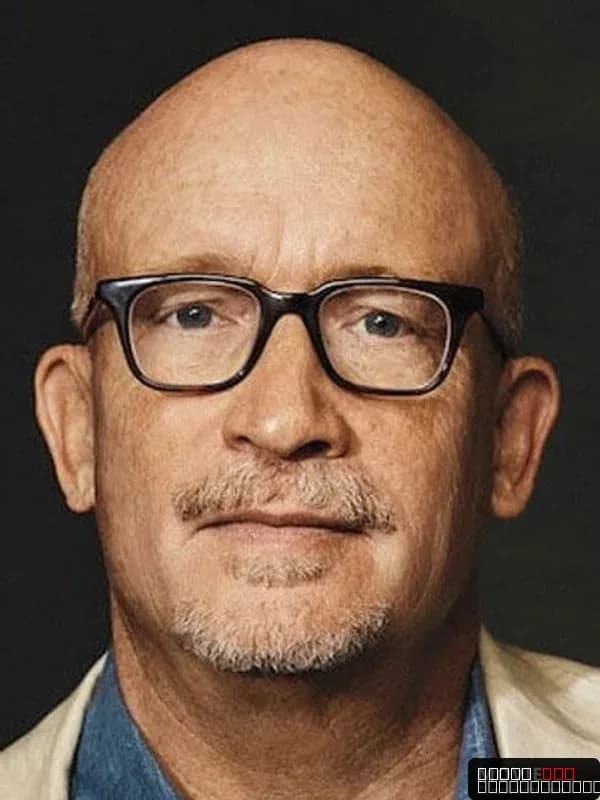
Alex Gibney directed the film. He's an acclaimed documentary filmmaker who's won an Academy Award for his previous work and is known for meticulous investigative documentaries.
Q: What awards did Going Clear: Scientology and the Prison of Belief win?
The film won three Emmy Awards out of seven nominations, including Outstanding Documentary. It also won a Peabody Award and the Writers Guild of America Award for Best Documentary Screenplay in 2015.
Q: How long is Going Clear: Scientology and the Prison of Belief?
The documentary runs 119 minutes, giving Gibney enough time to thoroughly explore Scientology's history, practices, and impact on its members without feeling rushed.
Q: Who are the main interview subjects in Going Clear: Scientology and the Prison of Belief?
The film features testimonies from former Scientology members including actor Paul Haggis, Jason Beghe, and Sherry Stringfield, among others. Their accounts form the emotional and evidential core of the documentary.
Final thoughts on Going Clear: Scientology and the Prison of Belief
Going Clear remains a masterclass in documentary filmmaking—rigorous, empathetic, and damning without ever raising its voice. It's the kind of film that lingers. You'll find yourself thinking about the human cost of unchecked institutional power long after it ends. Whether you approach it as a religious study, a Hollywood exposé, or simply as a meditation on how belief can be weaponized, the film delivers. It's essential viewing for anyone interested in documentaries that matter. Movie OTT's streaming guides can help you find other documentaries in this vein if you're hungry for more investigative nonfiction after watching.", "cast": "Paul Haggis, Jason Beghe, Alex Gibney, Lawrence Wright, Sherry Stringfield, Katie Holmes, Nancy Cartwright", "director": "Alex Gibney", "runtime": "119 minutes", "release_year": 2015, "imdb_rating": 7.2, "genres": ["Documentary"]