The story of Good Luck to You, Leo Grande
Nancy Stokes isn't your typical protagonist. She's a recently widowed retired teacher in her sixties, religious, buttoned-up, and carrying the weight of a 33-year marriage that—let's be honest—wasn't particularly fulfilling. When her husband Robert dies, she finds herself alone for the first time in decades, staring down an existential reckoning: she's never really experienced pleasure, never felt truly desired, and she's running out of time to change that. So she does something radical. She books a hotel room and hires Leo Grande, a young, charismatic sex worker, to help her tick off a literal checklist of sexual experiences she missed. What unfolds over the next 97 minutes isn't what you'd expect. Good Luck to You, Leo Grande isn't a film about transactional sex—it's about loneliness, shame, and the courage it takes to reclaim your own body after decades of denial.
Director Sophie Hyde crafts the film as a two-hander, a confined space where two strangers gradually shed their armor. Nancy arrives nervous, apologetic, almost apologizing for her own desires before she's even expressed them. Leo is patient, perceptive, and—this is what makes the film work—genuinely interested in Nancy as a person, not just a client. Their dynamic shifts throughout the film, from transactional to intimate, from performative to real. The script, written by Katy Brand, trusts the audience to sit with discomfort without flinching away. There's awkwardness. There's humor. There's also something unexpectedly moving happening beneath the surface, a recognition that human connection—sexual or otherwise—is about being seen and accepted.
Behind the making of Good Luck to You, Leo Grande
Good Luck to You, Leo Grande emerged from the 2022 Sundance Film Festival circuit to significant acclaim, a British production that punched above its weight in a crowded marketplace. Sophie Hyde, directing her first feature-length drama (she's previously worked in television), brought a steady, observant hand to material that could've easily become exploitative or preachy. Instead, she creates a space that feels safe—almost confessional—where conversations about sex, aging, and regret happen without judgment.
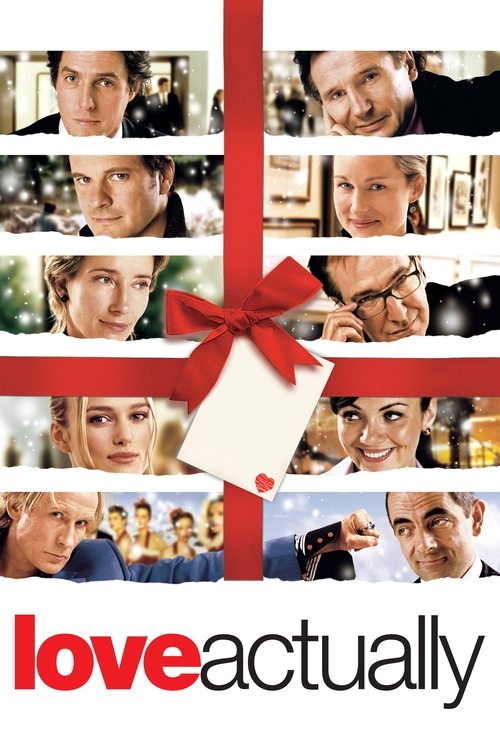
The casting is where the film's entire foundation was laid. Emma Thompson, a two-time Academy Award winner known for her work in Love, Actually and Sense and Sensibility, brings a lifetime of craft and credibility to Nancy. She's not afraid to look unglamorous, to stumble over words, to let her character sit in her own shame and confusion. It's a stripped-down performance, and it's one of her finest. Opposite her is Daryl McCormack, a relative newcomer to film (though he'd appeared in Peaky Blinders on television), who could have played Leo as a caricature—the beautiful young man, the fantasy—but instead creates a character with genuine depth, boundaries, and his own quiet vulnerabilities. The chemistry between them, which could've felt forced or uncomfortable, instead becomes the emotional spine of the entire film.
The film screened at Sundance to strong word-of-mouth, and while it didn't break box office records (it's a small, intimate film without the marketing muscle of a studio tentpole), it found its audience among critics and viewers who appreciated its refusal to be cute or condescending about its subject matter. The IMDb rating of 7.1/10 reflects a solid critical consensus—not universally beloved, but deeply respected by those who connected with what Hyde and her cast were attempting.
What makes Good Luck to You, Leo Grande stand out
Here's what's striking about this film: it refuses the easy narrative beats you'd expect. Nancy doesn't transform into a suddenly confident, liberated woman by the final frame. Leo doesn't fall in love with her, doesn't see her as "more than a client" in some redemptive arc. Instead, the film is interested in something messier and more true—the possibility of genuine connection between two people across a significant divide, without requiring that connection to solve everything or lead somewhere conventional.
Thompson's performance is the anchor. Watch the scene early on where she's trying to explain what she wants, fumbling over words, apologizing for her own body—it's excruciating and tender all at once. She's not playing Nancy as pitiable or ridiculous; she's playing her as human, which is somehow more radical. McCormack, meanwhile, brings an intelligence to Leo that you don't often see in films about sex workers. He's not a savior figure or a tragic victim. He's a professional doing his job, yes, but also a young man with his own history, his own reasons for being there, his own emotional literacy that surprises Nancy (and us).
The film also works because it takes sex seriously without being prurient about it. Critics noted that Sophie Hyde creates an environment where uncomfortable conversations feel ordinary, where the physical and emotional aspects of desire are treated as equally important. There's comedy here—real, earned comedy that comes from character and situation, not from mocking either of these people. The dialogue crackles with specificity. When Nancy and Leo talk, they're actually talking, not performing the way characters in lesser films do. What's honestly refreshing is that the film doesn't treat Nancy's age or her body as a punchline, and it doesn't treat her desire as something that needs to be "earned" through suffering or character redemption.
Where to stream Good Luck to You, Leo Grande online
If you're looking to watch Good Luck to You, Leo Grande, it's currently available on Prime Video. The film's intimate, dialogue-driven nature actually translates well to home viewing—there's something about watching it in a private space that mirrors the film's own enclosed, confessional tone. You can check Movie OTT for the most current streaming availability across platforms, as these things shift frequently depending on licensing agreements and regional availability.
The 97-minute runtime means it's a manageable watch without being rushed. It's the kind of film that benefits from your full attention—there's no bombastic action or visual spectacle to lean on, just two compelling performances and a script that trusts you to follow the emotional through-line. If you've got Prime Video access, it's worth prioritizing.
Frequently asked questions
Q: Is Good Luck to You, Leo Grande based on a true story?
No, it's an original screenplay written by Katy Brand. While it touches on real experiences and emotions that many people navigate, the characters of Nancy and Leo are fictional creations designed to explore themes of desire, aging, and human connection.
Q: Who directed Good Luck to You, Leo Grande?
Sophie Hyde directed the film. It was her first feature-length drama, though she has an extensive background in television direction. Her approach to the material is observant and non-judgmental, creating space for nuanced character work.
Q: What's the runtime of Good Luck to You, Leo Grande?
The film runs 97 minutes, making it a brisk, focused narrative that doesn't overstay its welcome. The tight pacing keeps the two-character dynamic feeling fresh throughout.
Q: Is Good Luck to You, Leo Grande appropriate for all audiences?
No—the film contains explicit sexual content and mature themes. It's intended for adult viewers comfortable with frank discussions of sex and aging. It's not gratuitous, but it is honest.
Q: What's Emma Thompson's role in Good Luck to You, Leo Grande?
Thompson plays Nancy Stokes, the retired widow at the center of the story. It's one of her most vulnerable and unguarded performances, stripped of glamour and focused on emotional authenticity.
Final thoughts on Good Luck to You, Leo Grande
If you're looking for a film that treats its characters—and its audience—with respect, Good Luck to You, Leo Grande delivers. It's not a feel-good romp, and it's not a tragic cautionary tale either. It's something rarer: a genuinely curious exploration of what happens when two people show up honestly for each other, even in circumstances that could easily become transactional. Thompson and McCormack make it sing. Worth your time.