

The Story of Goodbye Bafana
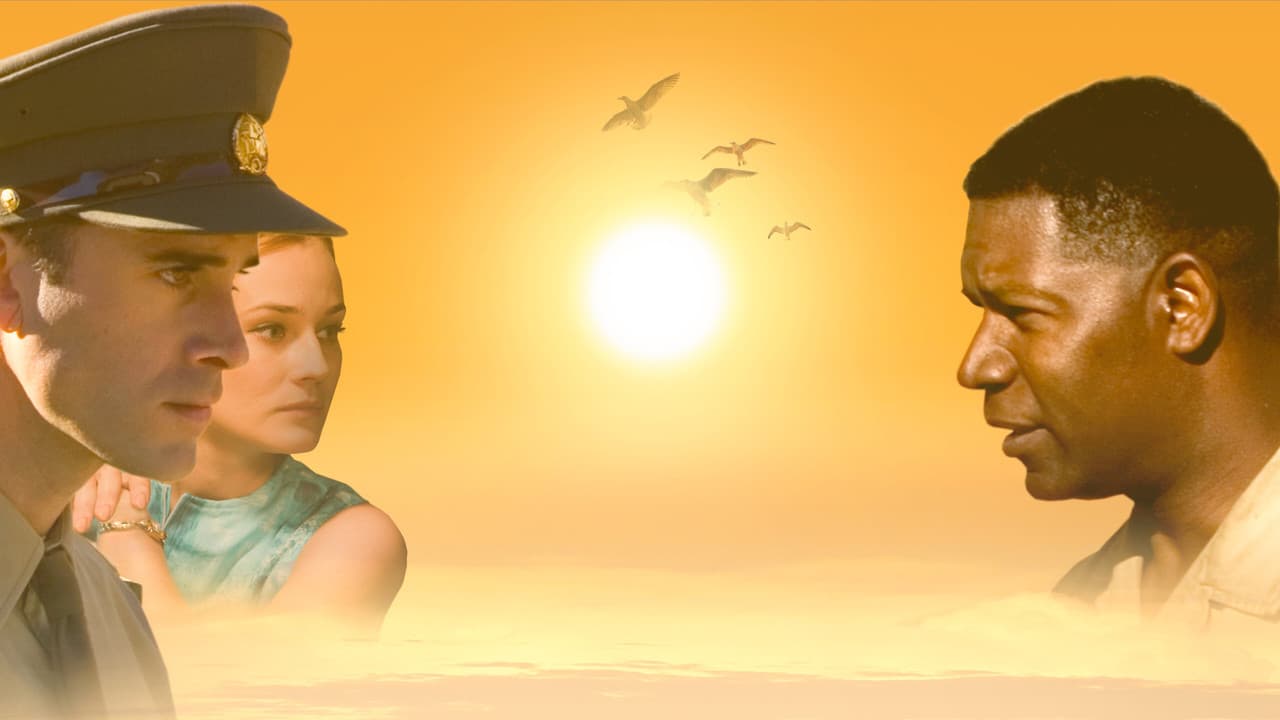
Goodbye Bafana tells the true story of an unlikely relationship forged behind prison walls—one between Nelson Mandela and James Gregory, a white South African prison guard tasked with watching over the anti-apartheid leader for two decades. The film, released in 2007 and also distributed in the US as The Color of Freedom, explores how proximity and time can erode even the deepest prejudices. Gregory arrives at his post as a devoted apartheid supporter, a man shaped by the racial ideology of his country. Over 20 years, something shifts. Not overnight. Not dramatically. But inevitably—the man he's guarding, and the principles Mandela embodies, begin to crack the walls Gregory built around his own conscience.
Behind the Making of Goodbye Bafana
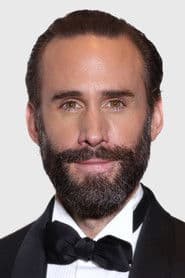
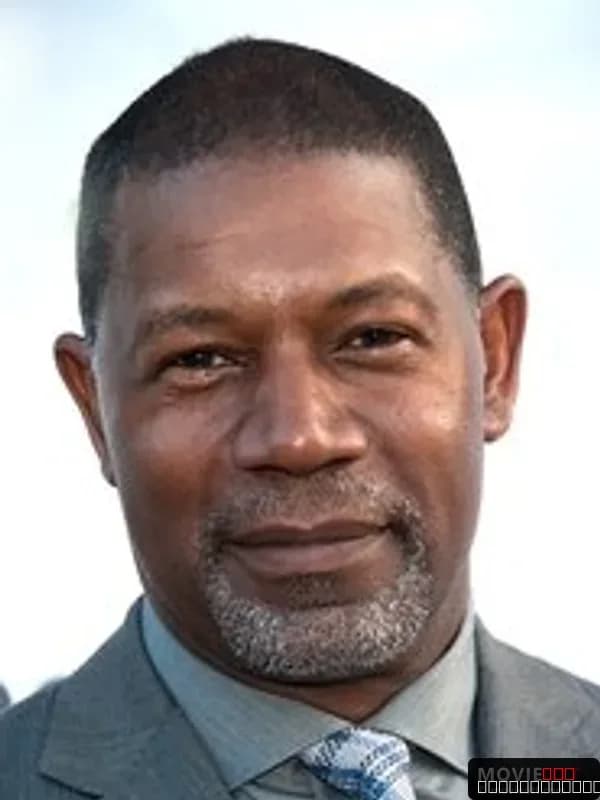
Directed by Bille August, the Danish filmmaker known for his work on The Best Intentions and Pelle the Conqueror, Goodbye Bafana was adapted from James Gregory's memoir, Goodbye Bafana: Nelson Mandela, My Prisoner, My Friend. The production brought together Film Afrika and X Filme Creative Pool, combining European and South African filmmaking expertise to tell a story that demanded both intimacy and historical weight. The cast includes Joseph Fiennes as Gregory and Morgan Freeman in the role of Mandela—Freeman's fourth major Mandela-related project and a piece of casting that carries its own symbolic weight. With a runtime of 115 minutes, the film takes its time building the relationship rather than rushing toward dramatic confrontation. The film arrived to modest theatrical attention but found its audience through home video and streaming platforms, where stories about transformation and reconciliation tend to linger longer in viewers' minds. Movie OTT tracks where this title streams across major services, making it easier to find than it was in theaters back in 2007.
What Makes Goodbye Bafana Stand Out
What's striking about Goodbye Bafana is that it doesn't treat the transformation as miraculous or even particularly flattering to Gregory. Freeman's Mandela doesn't perform forgiveness—he simply exists with dignity, and that quiet presence does the work. The film also explores Gregory's marriage and family life, showing how his changing worldview creates tension at home, strains with his wife, and the messy reality of ideological shift when it happens inside a real person living a real life. It's not a film about two men becoming best friends in a Hollywood sense. Rather, it's about how even a man steeped in systemic racism can't help but see the humanity in someone he's forced to confront every day. Fiennes delivers a performance that avoids easy sympathy—Gregory remains flawed, sometimes defensive, occasionally cruel—but capable of growth. The cinematography captures the bleakness of the prison setting without turning it into visual torture porn, and the pacing allows viewers to feel the weight of those 20 years rather than just being told about them. IMDb users rate the film 6.9 out of 10, a respectable score that reflects its steady, unglamorous approach to a story that could've been melodramatic in less careful hands.
Where to Stream Goodbye Bafana Online
Goodbye Bafana is available on major OTT services, and you can check the Where to Watch widget at the top of this page to see exactly which platforms currently carry it in your region. Streaming availability shifts regularly, so Movie OTT keeps that information updated across Netflix, Prime Video, and other major streaming platforms. The film's modest length—just under two hours—makes it ideal for an evening watch, and it's the kind of historical drama that benefits from an uninterrupted viewing rather than splitting it across multiple sessions. Whether you're watching on a smart TV or tablet, the intimate nature of the performances means you won't lose anything on a smaller screen.
Frequently asked questions
Q: Is Goodbye Bafana based on a true story?
Yes, it's based on James Gregory's memoir, Goodbye Bafana: Nelson Mandela, My Prisoner, My Friend. Gregory was Mandela's actual censor officer and guard during his 20 years of imprisonment, and the film adapts their real relationship with historical accuracy.
Q: Who directed Goodbye Bafana?
Bille August, a Danish director known for The Best Intentions and Pelle the Conqueror, directed the film. His approach emphasizes quiet character work over dramatic spectacle.
Q: What's the runtime of Goodbye Bafana?
The film runs 115 minutes, giving it enough time to explore the slow-burn nature of Gregory and Mandela's relationship without feeling rushed or padded.
Q: Who plays Nelson Mandela and James Gregory in the film?
Morgan Freeman portrays Nelson Mandela, while Joseph Fiennes plays James Gregory. Freeman's casting brought significant weight to the role, given his previous work on Mandela-related projects.
Q: What genres does Goodbye Bafana fall into?
Goodbye Bafana is classified as both a history film and a drama, blending biographical detail with intimate character study.
Final Thoughts on Goodbye Bafana
Goodbye Bafana isn't a film that screams for your attention. It won't blow you away with pyrotechnics or twist endings. What it does offer is something rarer—a thoughtful, unglamorous look at how ordinary people can change when forced to confront the humanity in those they've been taught to dehumanize. It's a film about the long, difficult work of becoming better. If you're looking for a historical drama that trusts its audience to sit with complexity rather than resolve it neatly, this one deserves your time.