
What Gray's Anatomy is Really About
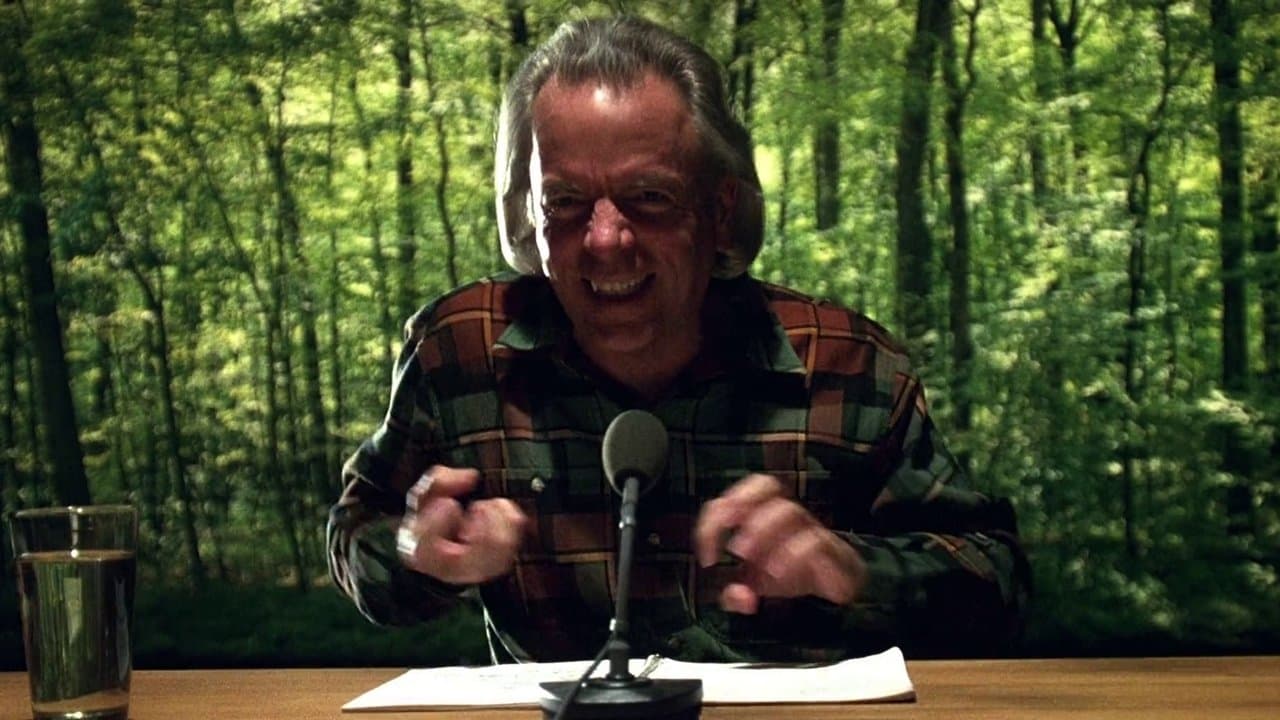
Gray's Anatomy isn't the hospital drama you might expect from the title. Instead, it's a 1996 film that documents performer and writer Spalding Gray's deeply personal investigation into alternative medicine after he develops macular pucker—a condition affecting his vision. The film blends Gray's characteristically wry monologue with actual documentary footage, creating something that refuses to fit neatly into any single genre. It's both comedy and drama, both intimate confession and broader meditation on how we approach our bodies when conventional medicine offers limited solutions. What emerges is a portrait of human vulnerability wrapped in dark humor and genuine curiosity.
How Gray's Anatomy Came Together: Soderbergh's Rapid-Fire Experiment
Director Steven Soderbergh shot this 80-minute film in just ten days during late January 1996—a quick break he carved out between post-production work on his previous film, Schizopolis. That compressed timeline gives the movie an almost improvisational energy that you can feel. The production involved the Independent Film Channel, BBC Film, and the production company Bait and Switch, a coalition that made space for the kind of experimental storytelling that wouldn't fly in mainstream Hollywood. Spalding Gray, who'd already built a reputation as a monologist and performer (he appeared in films like Swimming to Cambodia), essentially wrote and performed the core of the piece, turning his own medical journey into art. The film carries a 6.5 rating on IMDb, which tells you something about its divisive nature—it's not made for everyone, and it doesn't apologize for that.
Why Gray's Anatomy Still Lands: The Specificity of Personal Crisis
What's striking about this film is how it refuses the easy reassurance of a medical resolution. Gray doesn't find a miracle cure, and that's exactly the point. Instead, what you get is a portrait of someone confronting the randomness of bodily failure—the way a perfectly functional eye can suddenly betray you, and how that betrayal sends you searching through acupuncture clinics, crystal healers, and vision therapists in a kind of desperate hope. The film works because Gray's monologue is genuinely funny in the way only uncomfortable truths can be, and because Soderbergh trusts the material enough not to oversell it. He doesn't add manipulative music or dramatic reenactments; he lets the absurdity speak for itself. There's a scene where Gray visits an alternative practitioner who seems completely sincere but utterly unconvincing, and the camera just... watches. No judgment, no winking at the audience. That restraint is what makes it land. The blend of documentary and performed elements creates this strange, unsettling tone—you're never quite sure what's "real" and what's staged, which mirrors Gray's own confusion about what might actually help.
Where to Watch Gray's Anatomy Online
Gray's Anatomy is available on major OTT services, and you can check the Where to Watch widget at the top of this page to see exactly which platforms currently have it in your region. The film's unusual nature—part experimental monologue, part documentary—means it doesn't get the mainstream streaming push that conventional dramas do, but it's worth seeking out if you're curious about 1990s independent cinema or Spalding Gray's work. Since streaming availability shifts regularly, Movie OTT makes it easy to track down where it's currently streaming without having to check five different services yourself.
Frequently asked questions
Q: Who directed Gray's Anatomy?
Steven Soderbergh directed the film in 1996. He shot it in just ten days as a rapid side project between other work, which gives it a distinctive, unpolished energy that suits the material perfectly.
Q: Is Gray's Anatomy based on a true story?
Yes—it's based on Spalding Gray's real experience with macular pucker, an eye condition he actually developed. The film documents his genuine investigation into alternative medicine treatments, though Gray's monologue performance shapes how the story's told.
Q: What does the title have to do with the medical textbook?
The title's a playful reference to Henry Gray's classic 1858 anatomy textbook, Gray's Anatomy. By naming his film after that foundational medical text while exploring alternative approaches to healing, Spalding Gray creates an ironic contrast—it's anatomy as seen through a performer's skeptical, searching lens rather than a surgeon's clinical one.
Q: How long is Gray's Anatomy?
The film runs 80 minutes, making it a relatively compact viewing experience. That brevity actually works in its favor—it moves at the pace of Gray's own restless investigation.
Q: What genres does Gray's Anatomy fall into?
It's categorized as comedy, drama, and documentary. That hybrid nature is part of what makes it difficult to pin down—it's funny without being a comedy, serious without being a conventional drama, and documentary-like without following typical doc conventions.
Final Thoughts on Gray's Anatomy
Gray's Anatomy is a film for viewers who don't mind a little discomfort. It won't give you answers, and it won't make you feel better about the fragility of the human body—but it will make you think, and it'll probably make you laugh in spite of yourself. If you're interested in experimental cinema, performance art, or just the specific strangeness of 1990s independent film, it's worth your time. Movie OTT tracks where it's currently available, so you can find it without the hunt.