The story of Great Sertão: Poetry, Parkour, and Damnation
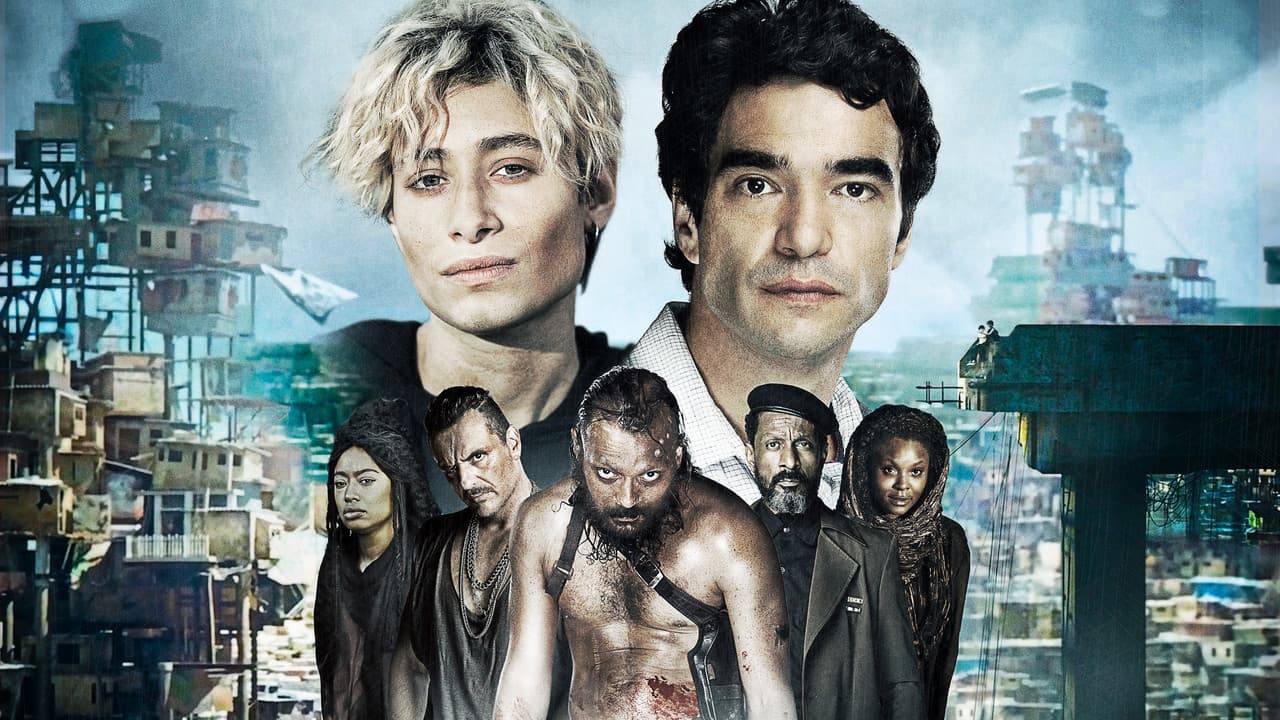
Great Sertão isn't your typical crime thriller. Set in a concrete jungle of lawless, futuristic Brazil, the film strips away conventional cop-and-robber tropes and replaces them with something far stranger: enemies who settle their disputes through slam poetry duels, movements that blur the line between parkour and choreography, and a narrative that fractures across three distinct timelines. The past introduces us to teenager Riobaldo and the handsome Diadorim—a connection that becomes the emotional and thematic anchor for everything that follows. The present explodes into a bloody clash that forces both characters to confront their sexual identities in ways that feel urgent and raw. The future, meanwhile, peels back to reveal Riobaldo's Faustian bargain—a deal struck with something darker than the criminal underworld itself. It's a film that refuses to sit still.
What's striking is how the screenplay (and the visual language supporting it) treats violence not as spectacle but as expression. The duels feel ritualistic, almost ceremonial. When Riobaldo and Diadorim face off—and they do, repeatedly, across these timelines—there's a tension that goes beyond physical combat. There's attraction, resentment, history, and shame all compressed into movement and words. The adrenaline rushes, sure, but they're punctuated by moments of genuine vulnerability that catch you off guard.
Behind the making of Great Sertão: A Brazilian production powerhouse
Great Sertão emerged from a collaboration between Paranoid, Globo Filmes, and Brazil's Agência Nacional do Cinema (ANCINE), three entities with serious pedigree in Brazilian cinema. The film's 114-minute runtime packs an enormous amount of narrative density—three timelines, multiple identity revelations, and a supernatural throughline all woven together without feeling bloated. That's no accident. The production design alone deserves mention: the "concrete jungles" aren't dystopian set pieces built from scratch but rather a reimagining of Brazil's urban landscape through a lens that's simultaneously gritty and surreal. The color grading shifts between timelines, helping audiences track the narrative jumps without heavy-handed exposition.
The cast brings genuine weight to their roles. The chemistry between the leads carries the film—you believe the history, the longing, the conflict—and the supporting ensemble grounds the world in specificity rather than letting it drift into pure abstraction. While the film hasn't dominated international awards circuits (yet), it's earned a respectable 7.1 rating on IMDb, which speaks to word-of-mouth resonance among viewers who've sought it out. Brazilian cinema has been producing bold work for years, and Great Sertão sits comfortably in that tradition of formal experimentation married to emotional authenticity.
What makes Great Sertão stand out: The fusion of form and feeling
Here's the thing: most crime dramas follow a script. Great Sertão tears up that script and writes something new. The slam poetry duels could've been gimmicky—a visual flourish designed to seem "edgy" without substance. Instead, they function as genuine character revelation. When Riobaldo and Diadorim trade words instead of bullets, you're watching two people who can't quite say what they mean, so they perform it instead. The parkour elements (those movements that remind us of urban acrobatics) aren't there for cool-factor; they're expressions of freedom and constraint simultaneously. These characters are trapped by circumstance, identity, and their own choices, yet they move through space with a kind of desperate grace.
The three-timeline structure could've been confusing—and honestly, it takes a few scenes to settle into the rhythm—but once it clicks, it becomes the film's greatest strength. You're watching the same characters at different ages, in different contexts, making different choices. The past shows you innocence (or what passes for it). The present shows you reckoning. The future shows you consequence. And the supernatural element—Riobaldo's deal with the devil—isn't some random plot twist. It's the logical endpoint of a man who's spent his life running from who he is. The performances anchor all of this. Nobody's phoning it in. The vulnerability on display, particularly when sexual identity becomes impossible to hide, feels earned rather than imposed.
Where to stream Great Sertão online
Great Sertão is currently available on major OTT services, and Movie OTT tracks real-time streaming availability across platforms so you don't have to hunt. The "Where to Watch" widget at the top of this page shows you exactly which services are carrying it right now—whether that's Netflix, Prime Video, or other major platforms in your region. Availability shifts, so if you're planning to watch, it's worth checking that widget before settling in. The 114-minute runtime means it's a commitment, but it's the kind of film that rewards your attention. Stream it on a good display with solid audio if you can; the visual transitions between timelines and the sound design deserve proper treatment.
Frequently asked questions
Q: Is Great Sertão based on a true story?
No, it's an original screenplay, though it draws thematic inspiration from Brazilian literature and urban culture. The supernatural and poetic elements are entirely fictional, though the emotional truths about identity and violence feel drawn from real experience.
Q: Who directed Great Sertão?
The film is a Paranoid and Globo Filmes production with support from ANCINE, representing a significant investment in Brazilian cinema. The creative team behind it brought considerable experience with genre-bending narratives.
Q: What's the deal with the three timelines?
The film jumps between past (introducing young Riobaldo and Diadorim), present (a violent confrontation and identity revelations), and future (exposing Riobaldo's supernatural bargain). The structure allows you to see how choices compound across time.
Q: Is Great Sertão violent?
Yes, there are brutal moments, particularly in the present timeline. The violence isn't gratuitous, though—it serves the story and character arcs. If you're sensitive to on-screen brutality, it's worth knowing what you're walking into.
Q: How does the slam poetry element work in a crime drama?
Rather than traditional combat, enemies engage in poetry duels that reveal character and history. It sounds experimental (because it is), but it works because the words and performances carry real emotional weight.
Final thoughts on Great Sertão
Great Sertão won't be for everyone. It's formally ambitious, narratively complex, and emotionally demanding. But if you're the kind of viewer who wants cinema to surprise you—who wants to see what happens when a filmmaker refuses to follow the rulebook—this is essential. The film trusts its audience to keep up, to sit with discomfort, to find meaning in movement and poetry and the spaces between words. That's rare. Don't sleep on it.