The story of Guadalcanal Diary
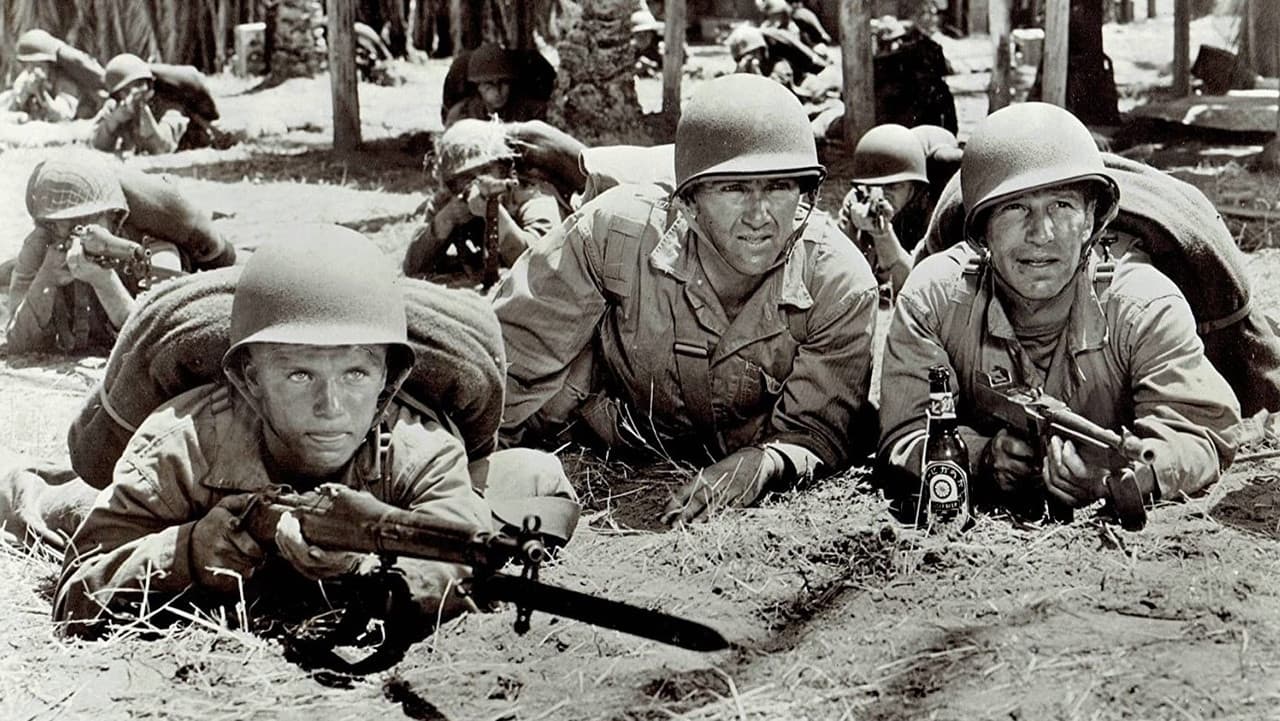
Guadalcanal Diary tells the story of the Marines' first major offensive in the Pacific theater through the eyes of a war correspondent embedded with the troops. Rather than focusing solely on strategy and heroics, the film concentrates on the personal lives and motivations of the soldiers involved—their fears, their humor, their bonds—as they prepare for, execute, and endure the initial campaign on Guadalcanal. It's a ground-level view of war. The narrative moves from the preparations stateside through the landing itself and into the grueling early weeks of combat in the Solomon Islands, capturing both the tension of battle and the quieter moments that define what it means to be a soldier far from home.
Behind the making of Guadalcanal Diary
Directed by Lewis Seiler and released by 20th Century Fox in 1943, Guadalcanal Diary was adapted from Richard Tregaskis's bestselling non-fiction account of the same name—a book that had already proven the public's hunger for authentic war narratives. The film's ensemble cast included established names like Preston Foster and Lloyd Nolan, alongside character actor William Bendix, and it marked something significant: the film debut of Richard Jaeckel, a young performer who would go on to have a long career in Hollywood. Jaeckel's arrival in this context—a major studio war picture released while the actual war was still being fought—gave the film an extra layer of immediacy and youth-focused appeal that audiences responded to. The timing of the release mattered enormously; 1943 was a year when Americans were hungry for stories that reflected the battles their sons and brothers were fighting in real time. Fox understood this appetite and marketed the film aggressively, with the tagline "The Victory picture of the year!" positioning it as essential viewing for the home front.
What makes Guadalcanal Diary stand out
What's striking about Guadalcanal Diary, especially when you watch it now, is how it refuses to be a simple propaganda piece—even though it was made during wartime and certainly served that purpose. The performances anchor the whole thing. Lloyd Nolan and Preston Foster bring a kind of weathered authenticity to their roles; they don't feel like actors performing heroism, but rather like men doing a job under impossible circumstances. William Bendix brings a rough-edged humanity to his character, and Anthony Quinn—though in a smaller role—carries the weight of the ensemble's emotional complexity. The thing nobody mentions is how much the film trusts silence. There are moments where the camera just sits with the soldiers in their downtime, and you feel the boredom, the dread, the camaraderie that comes from shared danger. The combat sequences themselves are handled with a directness that must have felt almost documentary-like to 1943 audiences; they're not glamorized, just presented as loud, chaotic, and terrifying. Critics at the time recognized this balance—the film manages to be both a wartime morale-builder and something closer to an honest portrait of what combat actually does to people. The IMDb rating of 5.6/10 reflects modern viewers' standards, which tend to be harsher on wartime propaganda films, but the picture's influence on later war cinema is undeniable.
Where to stream Guadalcanal Diary online
Guadalcanal Diary is currently available on major OTT services, making it accessible to anyone curious about classic Hollywood's take on the Pacific War. The exact platforms carrying the title shift with licensing agreements, so Movie OTT maintains an up-to-date "Where to Watch" widget at the top of this page that shows you every service currently streaming it in your region. Since it's a 1943 Fox release, it tends to rotate between platforms that specialize in classic films and those with broader libraries. If you're planning a wartime film marathon—pairing it with later, more cynical takes on combat—checking the widget first will save you the frustration of signing into the wrong service. At 93 minutes, it's also lean enough to fit into an evening without the commitment of a modern prestige drama.
Frequently asked questions
Q: Is Guadalcanal Diary based on a true story?
Yes. The film is adapted from Richard Tregaskis's 1942 non-fiction book of the same name, which was based on Tregaskis's firsthand account as a war correspondent covering the actual Marine campaign on Guadalcanal. While the film dramatizes events and creates composite characters, it's rooted in real historical events and the author's direct experience.
Q: Who directed Guadalcanal Diary?
Lewis Seiler directed the film. Seiler was a prolific Fox director of the 1930s and 1940s, known for his work across multiple genres, though Guadalcanal Diary remains one of his most historically significant pictures.
Q: Was this Richard Jaeckel's first film role?
Yes, Guadalcanal Diary marked Richard Jaeckel's film debut. He went on to have a long career in Hollywood, appearing in dozens of films and television shows over the next several decades, but this 1943 war drama was where it all started.
Q: How long is Guadalcanal Diary?
The film runs 93 minutes, making it a relatively compact war drama by any standard. It moves briskly through preparation, landing, and combat without feeling rushed.
Q: What was the original tagline for Guadalcanal Diary?
The film was marketed with the tagline "The Victory picture of the year!"—a bold claim that reflected 20th Century Fox's confidence in the picture's appeal to wartime audiences.
Final thoughts on Guadalcanal Diary
Guadalcanal Diary works best if you approach it as a historical artifact as much as entertainment—a window into how Hollywood processed the war while it was still happening, and how audiences needed to see themselves reflected in the conflict. It's not a perfect film by modern standards, but it's an important one. The performances feel lived-in, the combat sequences carry weight, and the film's refusal to shy away from the human cost of war—even while serving as wartime propaganda—gives it a complexity that rewards patient viewing. If you're interested in classic war cinema, the birth of Richard Jaeckel's career, or simply want to understand how 1943 America saw itself fighting in the Pacific, this is essential viewing.