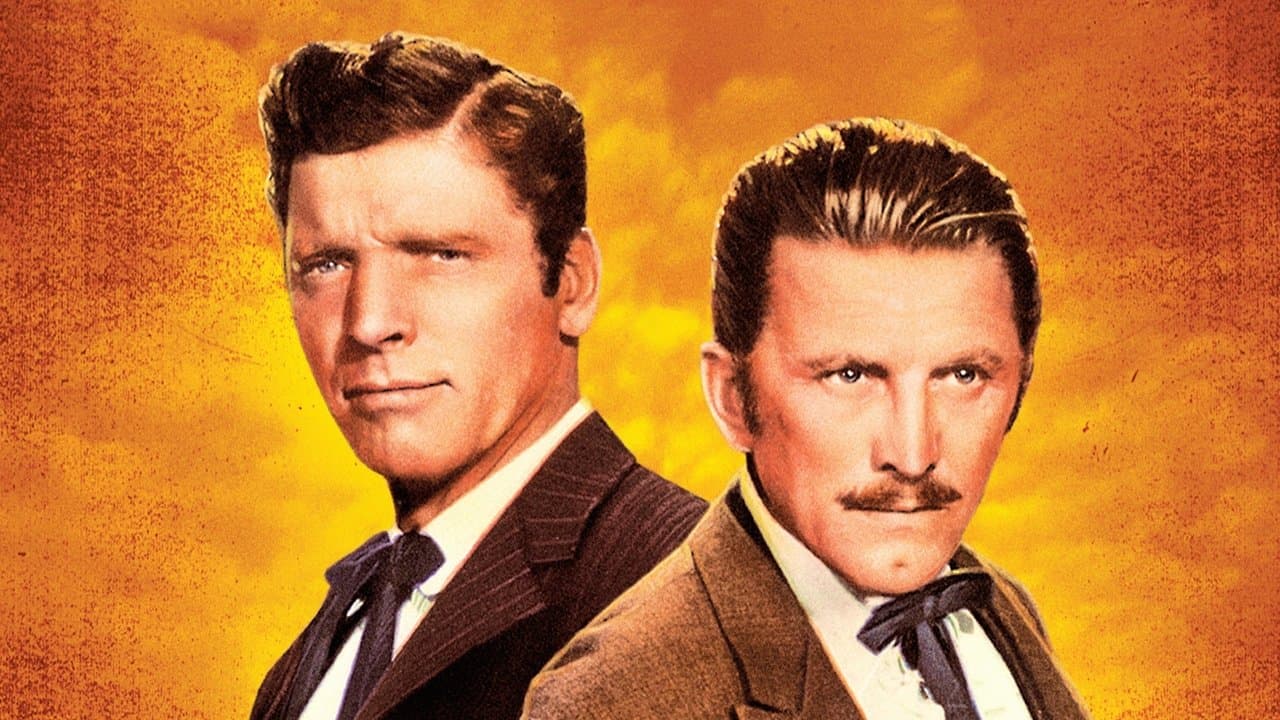
The story of Gunfight at the O.K. Corral
When you think of the Old West, you're probably picturing something like this: a dusty Arizona town, two men with reputations that precede them, and the kind of tension that can only end one way. Gunfight at the O.K. Corral tells the story of how Wyatt Earp, a former lawman looking for a quieter life, finds himself drawn back into violence when he returns to Tombstone. There he encounters Doc Holliday, a sharp-tongued, tubercular gunslinger with nothing to lose and a thirst for whiskey that's almost as legendary as his aim. The film doesn't rush toward its famous climax—instead, it builds slowly, letting us watch how two men from opposite sides of the law come to depend on each other. Their unlikely alliance becomes the heart of the film, more compelling than any quick-draw showdown could ever be.
Behind the making of Gunfight at the O.K. Corral
Director John Sturges brought serious pedigree to this project, adapting Leon Uris's screenplay (Uris was already known as a novelist) from an article by George Scullin. The film wasn't breaking entirely new ground—it followed in the footsteps of John Ford's My Darling Clementine and a 1939 version called Frontier Marshall—but Sturges and his team were determined to make something that felt fresh. Paramount Pictures, through Hal Wallis Productions, invested in top-tier talent: Burt Lancaster in the lead role, Kirk Douglas as Doc Holliday, and supporting players like Rhonda Fleming, Jo Van Fleet, and John Ireland. The cinematography by Charles B. Lang Jr. captured the Arizona landscape in vibrant color, while Dimitri Tiomkin's score added dramatic weight to every scene. Running 123 minutes, the film took its time with character development—something that wasn't always a priority in Westerns of that era. At the box office, it found a solid audience, proving that audiences still craved Westerns that treated their material with gravitas and style.
What makes Gunfight at the O.K. Corral stand out
Here's the thing about this film: it's not really about the gunfight. Sure, that's what the title promises, and yes, it delivers on that promise—but what lingers is the relationship between Earp and Holliday. The performances anchor everything. Lancaster brings a quiet determination to Earp, playing a man caught between wanting peace and being pulled toward his old identity as a lawman. Douglas, meanwhile, is magnetic as Holliday—a character dealing with both physical illness and a kind of spiritual emptiness that no amount of whiskey can fill. Their scenes together crackle with an energy that goes beyond the typical hero-versus-villain dynamic you'd expect from a Western. What's striking is how the film treats Holliday's tuberculosis not as a plot device but as a genuine weight pressing down on him, a reminder that some enemies can't be fought with a gun. The script allows for quiet moments between the action—conversations that reveal character, jokes that land, genuine affection between men who shouldn't like each other at all. The color cinematography, which some reviewers felt was at odds with the material, actually works in the film's favor; it gives everything a slightly heightened, almost theatrical quality that matches the emotional intensity of the performances.
Where to stream Gunfight at the O.K. Corral online
If you're looking to catch this classic Western, it's available on major OTT services—check the Where to Watch widget at the top of this page for current availability on your preferred platform. The film's 123-minute runtime makes it a solid evening commitment, and the quality of the transfer on most streaming services does justice to Charles B. Lang Jr.'s cinematography. Movie OTT tracks streaming availability across multiple platforms, so you can find exactly where this title is currently playing. Since streaming rights shift regularly, it's worth checking back if it's not available on your usual service right now. What's nice about having classic films like this available to stream is that they're no longer locked behind expensive home video releases or cable schedules—you can discover (or rediscover) them on your own terms.
Frequently asked questions
Q: Is Gunfight at the O.K. Corral based on a true story?
Yes, the film is loosely based on the actual gunfight that occurred on October 26, 1881, in Tombstone, Arizona. However, it's a Hollywood interpretation—the real event was over in seconds, while the film dramatizes and expands the story to explore the relationship between Earp and Holliday.
Q: Who directed Gunfight at the O.K. Corral?
John Sturges directed the film, working from a screenplay by novelist Leon Uris. Sturges was known for his skill with action sequences and character-driven narratives, both of which are on display here.
Q: What's the runtime of Gunfight at the O.K. Corral?
The film runs 123 minutes, which gives it plenty of time to develop its characters and build tension before the climactic gunfight.
Q: How does this version compare to other O.K. Corral adaptations?
This 1957 version followed earlier films like John Ford's My Darling Clementine (1946) and Frontier Marshall (1939). What sets Sturges's version apart is its focus on the psychological dynamic between Earp and Holliday rather than treating it as a simple good-versus-evil narrative.
Q: Who plays Wyatt Earp and Doc Holliday in this film?
Burt Lancaster stars as Wyatt Earp and Kirk Douglas plays Doc Holliday. Their performances are central to the film's appeal, with both actors bringing depth and nuance to their roles.
Final thoughts on Gunfight at the O.K. Corral
This is a Western that rewards patience. It's not a film that's all flash and gunpowder—it's interested in the messy, complicated friendship between two men who shouldn't get along but somehow do. If you're a fan of character-driven Westerns or just want to see two legendary actors at the height of their powers, Gunfight at the O.K. Corral deserves your time. The IMDb rating of 7/10 reflects its solid reputation among both casual viewers and Western enthusiasts. Whether you're streaming it for the first time or revisiting it after years, there's something genuinely compelling about watching these performances unfold across 123 minutes.