








What Halloween: Resurrection is About
Halloween: Resurrection takes the franchise into early-2000s territory by pitting Michael Myers against the one thing that might actually scare a slasher villain: a live internet broadcast. The setup is refreshingly dumb in the best way—a production company called DangerTainment recruits a group of college-aged thrill-seekers to spend a single night inside Michael's childhood home in Haddonfield, Illinois, while cameras roll for an online audience. They're looking for ratings. What they get is a genuine nightmare. Michael, having survived the events of the previous film, returns to his roots—literally—and decides to crash the party. The tagline says it all: "Evil finds its way home."
There's something almost meta about watching a slasher film that's essentially about a slasher film being broadcast. The teenagers don't know Michael's there. The viewers at home don't know what's coming. We do. And that gap between knowledge and ignorance is where the film plants its tension, at least in theory.
Behind the Making of Halloween: Resurrection
Director Rick Rosenthal returned to helm this eighth installment of the Halloween franchise, working from a screenplay by Larry Brand and Sean Hood. The film arrived in 2002 as a direct sequel to 1998's Halloween H20: 20 Years Later, continuing what's sometimes called the H20 timeline before the franchise would be rebooted yet again in 2007 and 2018—the Halloween IP has had more fresh starts than a broken VCR.
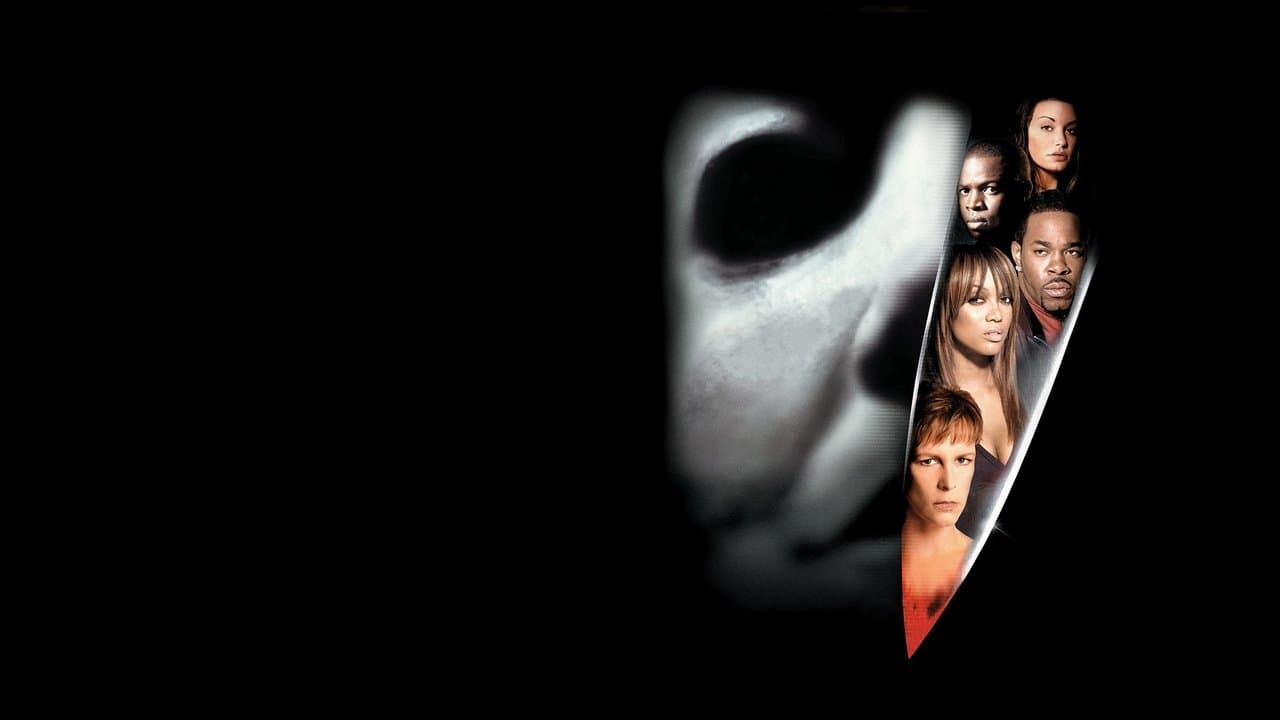
The cast brought some unexpected star power to the slasher formula. Busta Rhymes (yes, the rapper) plays the DangerTainment host with theatrical flair; Jamie Lee Curtis returns as Laurie Strode, though her role is considerably smaller than in previous entries; and Tyra Banks appears as one of the teenagers, bringing her supermodel profile to the proceedings. Brad Loree continues as the shape-suited killer. Production came from Dimension Films, Nightfall Productions, and Trancas International Films under the Miramax banner—a significant studio backing for what amounts to a B-movie premise.
The film clocked in at 89 minutes, lean and mean by design. It's the final installment of the H20 continuity, which means it carries the weight of closing out a timeline before the franchise would pivot toward something entirely different.
What Makes Halloween: Resurrection Stand Out
Here's the thing about Halloween: Resurrection—it's not trying to be a prestige horror film, and maybe that's its secret strength. The IMDb rating sits at 4.61/10, which tells you the critical consensus isn't exactly glowing. But there's a peculiar charm in watching a franchise embrace the absurdity of its own premise. A reality TV show in Michael Myers' house. It's campy. It's knowing. It doesn't take itself seriously in the way earlier Halloween films did, and some viewers found that refreshing.
What's striking is how the film leans into its own ridiculousness without becoming a parody—though it walks that line constantly. Busta Rhymes' performance as the DangerTainment host feels almost like a self-aware wink to the audience. The teenagers aren't particularly well-developed (a common slasher complaint), but they're also not meant to be. They're content. They're viewers. They're us, in a way. When Michael shows up, the live-broadcast conceit actually does something clever: it doubles the violence by making it both witnessed and witnessed-by-witnesses. That's a craft choice worth noting, even if the execution doesn't always land.
Audience reviews tend to acknowledge the film's flaws while admitting it's not completely without merit. One viewer noted it's "somehow still less dumb than Halloween 6," which, in the context of a franchise that's made some genuinely bewildering creative choices, reads almost like praise. Another described it as "serviceable, but pedestrian and comic booky," capturing that sense of a film that's trying something but doesn't quite nail the landing. It's a movie that knows what it is and doesn't apologize for it—which, honestly, counts for something.
Where to Stream Halloween: Resurrection Online
Halloween: Resurrection is available on major OTT streaming services, and you can check the Where to Watch widget at the top of this page to see exactly which platforms currently have it in your region. Streaming availability shifts frequently—what's available today might rotate off next month—so Movie OTT keeps a real-time tracker of where every title lives across the major platforms. If you're planning a horror marathon or want to revisit the franchise, it's worth checking that widget before you start looking elsewhere. The film's 89-minute runtime makes it an easy fit into a streaming session, perfect for a quick late-night watch or a franchise deep-dive.
Frequently asked questions
Q: Is Halloween: Resurrection a direct sequel to Halloween H20?
Yes, it's the immediate sequel to Halloween H20: 20 Years Later (1998) and serves as the eighth installment in the Halloween franchise. It concludes the H20 timeline before the franchise was rebooted in 2007 and again in 2018.
Q: Does Jamie Lee Curtis appear in Halloween: Resurrection?
Jamie Lee Curtis reprises her role as Laurie Strode, though her appearance is significantly smaller than in previous films. Her character is briefly visited by Michael at the beginning of the movie.
Q: Who directed Halloween: Resurrection?
Rick Rosenthal directed the film from a screenplay written by Larry Brand and Sean Hood. Rosenthal had previously worked on the Halloween franchise, bringing continuity to the series.
Q: What's the runtime of Halloween: Resurrection?
The film runs 89 minutes, making it one of the shorter entries in the slasher franchise and ideal for a quick viewing session.
Q: Is Halloween: Resurrection based on a true story?
No, it's a fictional slasher film. While the Halloween franchise draws inspiration from real-world horror and urban legends, Halloween: Resurrection is entirely a product of its screenplay by Brand and Hood, with no basis in actual events.
Final Thoughts on Halloween: Resurrection
Halloween: Resurrection won't win over purists who prefer the original Carpenter film or the more grounded entries in the franchise. It's a 2002 time capsule—dated in its tech, occasionally clunky in its execution, and unapologetically campy in its approach to slasher conventions. But it's also weirdly honest about what it is: a fun-house version of a horror film, where the killer meets the internet age and nobody really knows what's going to happen. If you can accept that vibe, there's something here worth watching. If you can't—well, there's always the 2018 reboot.