


The Story of Hancock: A Superhero With Nothing to Lose
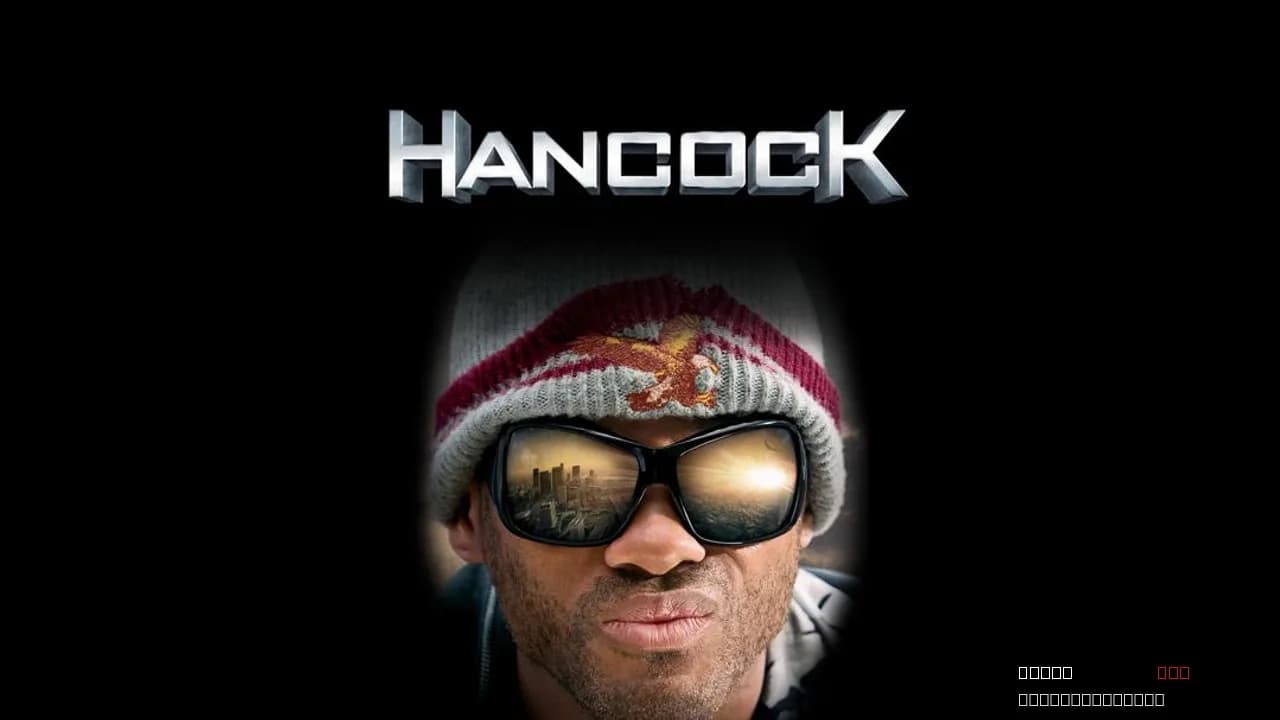
Hancock isn't your typical cape-and-tights origin story. Will Smith plays John Hancock, a superhuman with genuine power but absolutely zero interest in being anyone's hero. He's broke, blackout drunk most of the time, and has trashed Los Angeles so thoroughly that the city's residents actively resent him. When he finally agrees to work with an earnest advertising expert (Jason Bateman) to rehabilitate his public image, Hancock stumbles into something more complicated than just learning to smile for the cameras. The film's central hook—a superhero whose destructive collateral damage actually matters, whose recklessness has real consequences—sets it apart from the usual "save the world" formula. What starts as a redemption comedy gradually shifts into something else entirely, though whether that shift works is precisely where audiences and critics have split.
Behind the Making of Hancock: Production, Cast, and Box Office
Director Peter Berg brought Hancock to life in 2008 with a screenplay credited to Vince Gilligan and Vy Vincent Ngo—an interesting pedigree given Gilligan's later work on Breaking Bad. The film's budget and ambition clearly paid off commercially: Hancock grossed $227.9 million worldwide, making it a genuine box office success that justified the studio's faith in a superhero film that refused to play it straight. Will Smith's star power anchored the project, but the supporting cast—Charlize Theron as a mysterious woman from Hancock's past, Jason Bateman as the idealistic PR guy, and Eddie Marsan as a small-time criminal—brought real weight to what could've been a one-note premise.
The critical reception, however, told a different story. Metascore pegged it at 49/100, and Rotten Tomatoes settled at 42% (Rotten), suggesting the film's tonal whiplash bothered critics more than audiences. The movie earned an R rating, which already signals Berg wasn't aiming for PG-13 superhero comfort food. Awards recognition was modest—4 wins and 14 nominations total—respectable but not the accolade-heavy run that blockbusters sometimes achieve. That mixed reception has aged into something more interesting: Hancock's willingness to be weird about superhero mythology feels less dated now than it did in 2008.
What Makes Hancock Stand Out: Performance, Premise, and Tonal Risk
What's striking is how much Smith actually commits to playing a guy who's genuinely unlikeable for the first half. He's not charming his way through; he's surly, aggressive, and actively hostile to the idea of being better. That's a risky move for a movie star, and it's also the film's greatest strength. Smith's got the charisma to pull it off—there's never a moment where you stop believing in Hancock's invulnerability or his capacity for change—but he's also willing to sit in the discomfort of playing someone nobody wants around.
The real tension comes from the film's central conceit: what if superheroes were held accountable for the damage they cause? It's a question that's become almost standard in the Marvel era (see: Civil War), but Hancock asked it first, and more directly. When Hancock punches someone through a building, there are consequences. People die. Insurance claims pile up. That grounded perspective on superhero action is what separates Hancock from the usual spectacle—though I'll admit the film doesn't always know what to do with that insight once it's introduced it.
The second half's tonal shift—where the film pivots from buddy-comedy rehabilitation into something far more mythological and romantic—is where it loses some viewers. Some critics felt the film "floundered," as one reviewer put it, abandoning the character work for plot mechanics that didn't quite land. Others found that shift genuinely moving. It's a film that doesn't quite hold together, but not in a way that feels lazy—more like Berg was chasing something he couldn't quite catch, and the strain of that effort shows on screen.
Where to Stream Hancock Online
Hancock has found its way onto practically every streaming platform imaginable. You can catch it on Netflix and Netflix Standard with Ads, Amazon Prime Video (both with and without ads), and Hulu if you've got a subscription. For those who prefer rental or purchase options, the film's available through Apple TV Store, Google Play Movies, YouTube, and Rakuten TV. If you're in Europe, it's on Magenta TV+, Molotov TV, Sky Store, and several other regional services. Movie OTT tracks all current streaming availability in real time, so you can check the Where-to-Watch widget at the top of this page to see exactly which platform has it in your region right now—availability shifts constantly, and it's worth confirming before you settle in to watch.
Frequently Asked Questions
Q: Is Hancock based on a true story?
No, Hancock is entirely fictional. The screenplay was written by Vince Gilligan and Vy Vincent Ngo, and while the film explores real themes about accountability and redemption, the character and story are original creations.
Q: Who directed Hancock?
Peter Berg directed Hancock in 2008. Berg's known for blending action with character work, and that approach is evident throughout the film's attempts to balance spectacle with genuine emotional stakes.
Q: What's the runtime of Hancock?
Hancock runs 92 minutes, which is relatively lean for a superhero action film—tight enough that the pacing rarely drags, though some might argue it contributes to the tonal whiplash in the second half.
Q: Is Hancock rated R, and why?
Yes, Hancock carries an R rating, primarily for language, violence, and some sexual content. It's not a kids' superhero film, and that rating reflects Berg's willingness to let the story go places most studio superhero movies avoid.
Q: What's the IMDb rating for Hancock?
Hancock has a 6.4/10 rating on IMDb from over 534,000 votes, placing it solidly in the "mixed but watchable" territory—a fair reflection of its divisive critical and audience reception.
Final Thoughts on Hancock
Hancock doesn't quite work as a complete film, but it works hard enough and takes enough risks that it's worth your time. Will Smith gives one of his more interesting performances—less likeable than his usual output, more willing to sit in genuine discomfort. The film's central idea about superhero accountability still feels fresh nearly two decades later. It's not a masterpiece, and it's not a disaster. It's a movie that reaches for something, misses slightly, but lands close enough to matter. If you've got a streaming subscription that carries it, you could do worse on a Friday night.