



The Story of Happy: Love Against Political Ambition
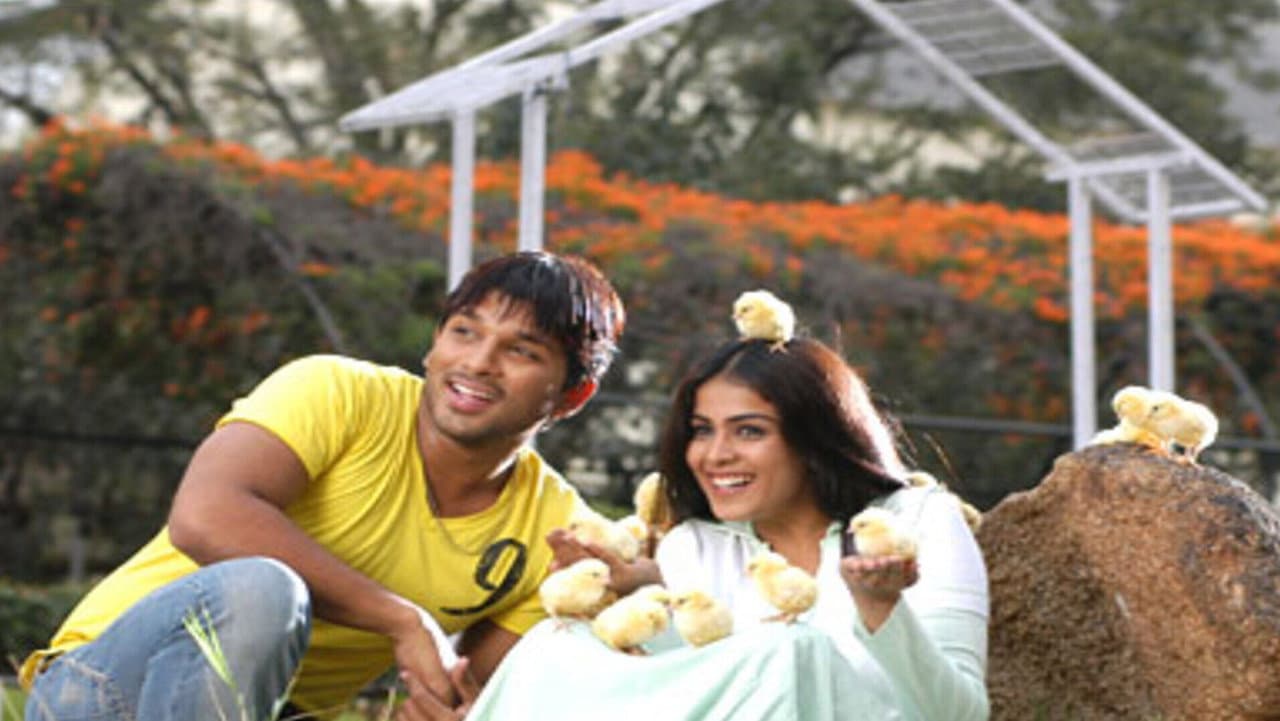
Happy tells the story of a young woman caught between her own desires and her father's political calculations. Her father, a politician, has other plans for her future—specifically, marriage to a police officer of the same caste, a union designed to shore up his political standing rather than serve his daughter's happiness. But when she falls for someone else entirely, the neat arrangement begins to crumble. What unfolds is a collision between old-world caste politics and a daughter's right to choose her own path, all wrapped in the comedic and romantic energy that defined Telugu cinema in the mid-2000s. The 152-minute film doesn't shy away from the absurdity of these social constraints, even as it acknowledges their very real power over families.
Behind the Making of Happy: Geetha Arts and a Tamil Remake
Happy arrived in 2006 as a Telugu-language remake of the 2004 Tamil film Azhagiya Theeye, produced by the legendary Allu Aravind under his Geetha Arts banner—a production house known for backing commercially savvy, star-driven projects. Director A. Karunakaran adapted Radha Mohan's original story for Telugu audiences, with Kona Venkat handling the dialogue to ensure the humor and emotional beats landed for this new regional context. The film's music came from Yuvan Shankar Raja, a composer who'd already proven his mettle across Tamil and Telugu cinema. Cinematographer R. D. Rajasekhar and editor Anthony shaped the visual rhythm across the film's substantial runtime. The cast paired Allu Arjun—already a rising star in Telugu cinema—with Genelia, an actress with crossover appeal. Supporting roles featured Manoj Bajpayee, Brahmanandam (the Telugu comedy stalwart), and others who'd anchor the film's ensemble energy. While specific box-office figures for regional films of this era aren't always widely documented, Geetha Arts' backing signaled confidence in the project's commercial potential, and the film found its audience among Telugu-speaking viewers across Andhra Pradesh and beyond.
What Makes Happy Stand Out: Performance and Social Commentary
What's striking about Happy is how it balances romantic comedy tropes with genuine friction around caste and class. Allu Arjun brings a charisma to his role—he's charming without being insufferable, which matters when you're asking an audience to root for a character defying social norms. Genelia, meanwhile, carries the emotional weight of the film's central conflict; she's not just a prize to be won but a person actively choosing her own life, which was still somewhat progressive for Telugu cinema in 2006 (and honestly, it remains relevant today). The supporting cast, particularly Brahmanandam's comic relief, doesn't undercut the stakes—instead, the humor often comes from how absurd these social hierarchies actually are when you really look at them. The film's 6.3 IMDb rating suggests it's not a masterpiece, and that's fair; there are moments where the pacing drags, and some of the comedic beats haven't aged as gracefully as others. But there's something earnest in its attempt to treat both the romance and the social critique seriously. I keep coming back to how the film doesn't resolve its tensions neatly—there's real conflict here, and the characters have to actually earn their happy ending rather than simply stumbling into it.
Where to Stream Happy Online
Happy is currently available on major OTT services, and Movie OTT tracks its streaming availability across multiple platforms so you don't have to hunt. Since streaming rights shift regularly, especially for regional Indian cinema, checking the Where to Watch widget at the top of this page will give you the most current list of platforms carrying the film—whether that's Netflix, Prime Video, Hotstar, or other regional services. The film's 152-minute runtime means you'll want to settle in for a proper viewing session, so knowing where it's streaming in your region is worth confirming before you hit play.
Frequently Asked Questions
Q: Who directed Happy and what was the original inspiration?
Director A. Karunakaran helmed the film, which was adapted from the 2004 Tamil film Azhagiya Theeye. The story came from Radha Mohan, with Karunakaran writing the screenplay and Kona Venkat handling dialogue for the Telugu version.
Q: Is Happy based on a true story?
No, Happy is a fictional romantic comedy. It's a remake of a Tamil film, not based on real events, though it does engage with real social issues around caste and family politics.
Q: What's the runtime and should I expect a long film?
Happy runs 152 minutes—that's two and a half hours. It's a substantial watch, so plan accordingly if you're settling in for an evening viewing.
Q: Who stars in Happy?
Allu Arjun and Genelia lead the film, with Manoj Bajpayee, Brahmanandam, Kishore, and Tanikella Bharani in supporting roles. The ensemble cast brings both romantic chemistry and comedic timing to the story.
Q: What's the IMDb rating for Happy?
The film holds a 6.3 out of 10 rating on IMDb, suggesting it's a decent watch for fans of Telugu romantic comedies, though not universally acclaimed.
Final Thoughts on Happy
Happy isn't trying to reinvent the wheel—it's a remake of a Tamil film, after all—but it works best when it leans into its regional specificity and the genuine tension between personal desire and social obligation. Allu Arjun and Genelia have chemistry that carries you through the slower stretches, and the film's willingness to take its social critique seriously, even amid the comedy, gives it a bit more backbone than you might expect. If you're in the mood for a 2000s Telugu romantic comedy that doesn't completely abandon its brain at the door, this one's worth your time.